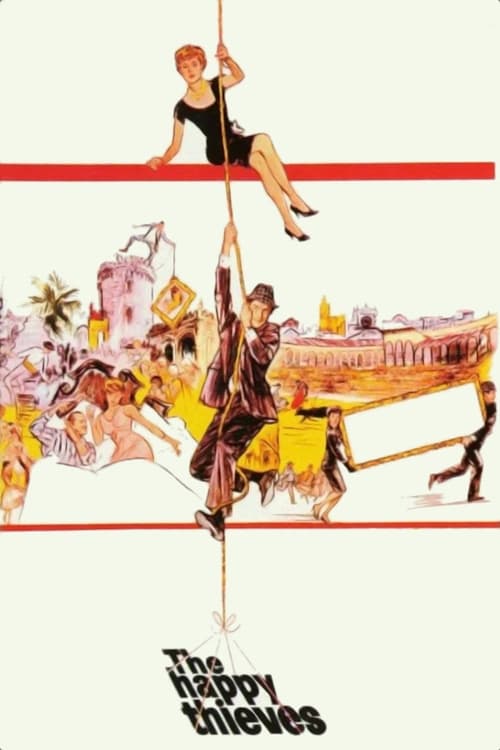
The Happy Thieves
1961
No user ratings available yet
Diversity score: 1.8 out of 10
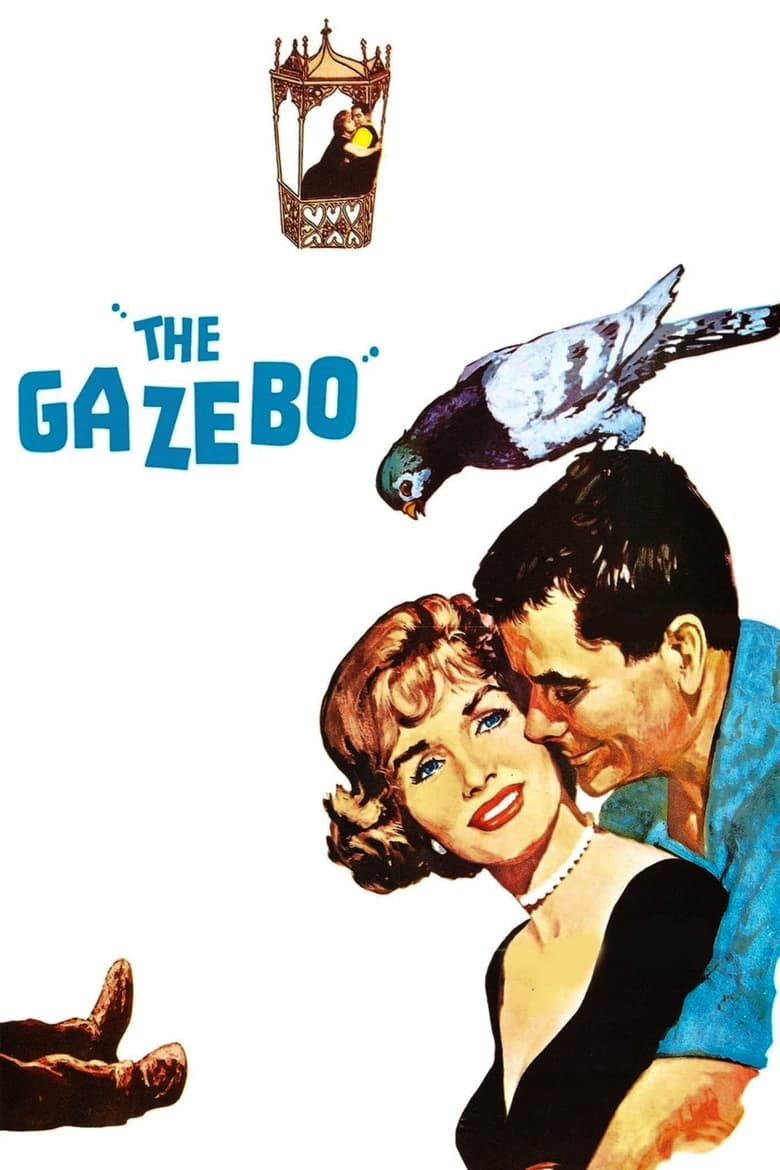
1959
ApprovedDirector
George Marshall
Runtime
100 minutes
Average Rating
No ratings yetSynopsis
TV writer Elliott Nash buries a blackmailer under the new gazebo in his suburban backyard. But the nervous man can't let the body rest there.
Overall Score
Minimal
Category Breakdown
LGBTQ+ Representation
The film contains no LGBTQ+ characters or narratives. The plot relies entirely on heteronormative romantic tension and traditional marriage dynamics.
Gender Representation
Debbie Reynolds drives the plot's energy, yet character dynamics reinforce mid-century gender expectations. The humor stems from situational farce rather than subverting patriarchal authority.
Racial & Ethnic Diversity
The cast is predominantly white and Anglo-Saxon, set within a wealthy suburban estate. There is no evidence of meaningful racial integration or ethnic diversity.
Religious & Cultural Diversity
The story upholds the status quo of the mid-century American upper class. It focuses on domestic farce rather than systemic critique or religious deconstruction.
Disability Representation
No visible or invisible disabilities are portrayed. All characters are presented as able-bodied, with no thematic engagement with disability.
Strengths
Areas for Improvement
AI Analysis
The Gazebo functions as a standard mid-century domestic farce that prioritizes situational comedy over social subversion. The narrative is deeply rooted in the era's conventional social hierarchies, focusing on the predicament of a suburban writer rather than exploring diverse identities. Because the film operates within a homogeneous, upper-class setting, it lacks intersectional perspectives. The characters and themes reflect the established norms of 1960s Hollywood, offering little engagement with marginalized groups or systemic critiques.
1961
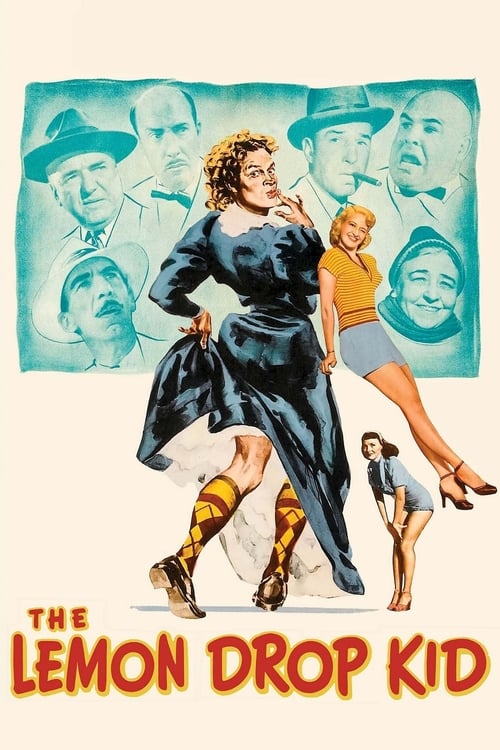
1951
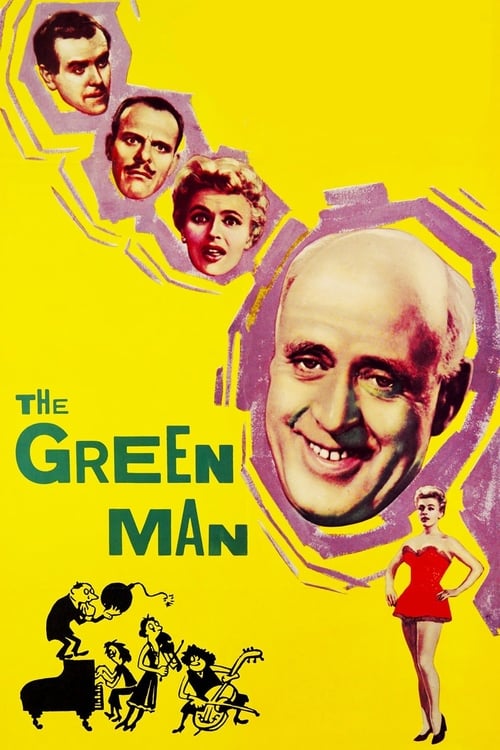
1956
1957
1950

1960
1974

1960

1961
1984
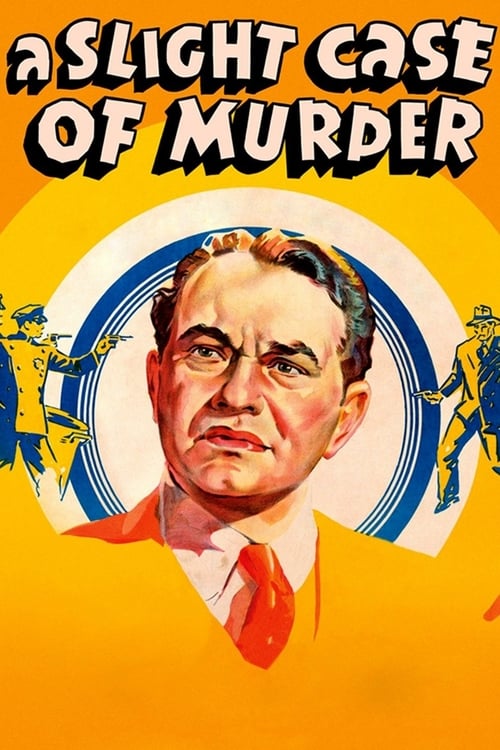
1938

1968
No reviews yet. Be the first to share your thoughts on this movie!
Use the rating form above to leave a star rating and optional review.