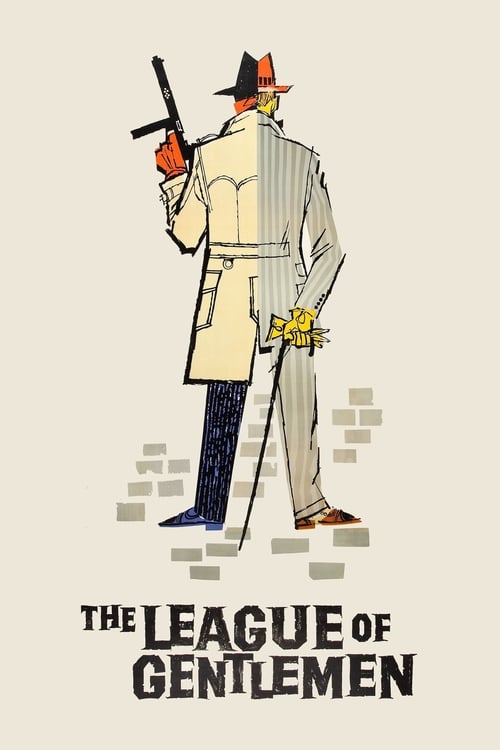
The League of Gentlemen
1960
No user ratings available yet
Diversity score: 5.2 out of 10
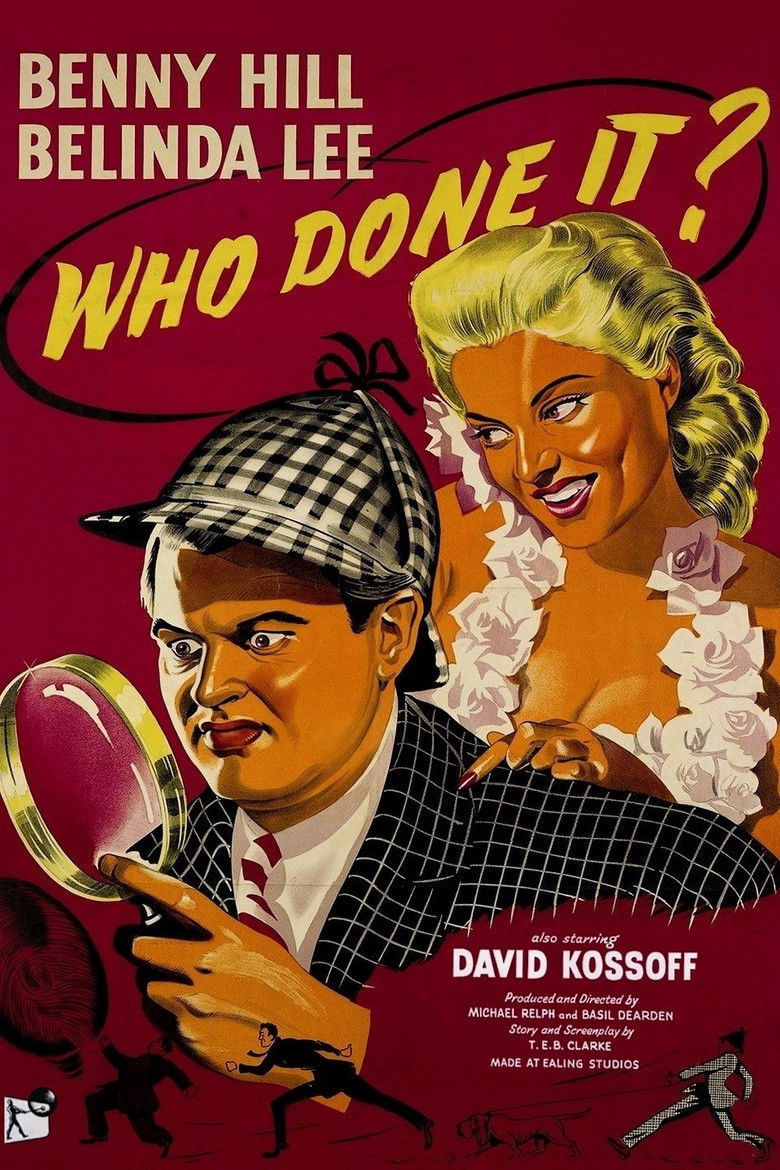
1956
Director
Basil Dearden
Runtime
85 minutes
Average Rating
No ratings yetSynopsis
This movie debut for saucy British TV comic Benny Hill has Benny leaving his job as a sweeper after winning some money. He becomes a private detective and investigates a plot to assassinate British scientists.
Overall Score
Minimal
Category Breakdown
LGBTQ+ Representation
The film lacks non-cisnormative gender identities or queer romantic arcs. There is no evidence of LGBTQ+ presence or critiques of heteronormativity within the narrative.
Gender Representation
Character dynamics follow traditional 1950s social hierarchies. The plot centers on a male protagonist, offering little evidence of female agency or the subversion of masculine leadership.
Racial & Ethnic Diversity
The production reflects the demographic homogeneity of mid-century British comedy. The cast centers on a predominantly white, Anglo-Saxon social fabric without significant minority agency.
Religious & Cultural Diversity
The story operates within a traditional Western framework focused on class and professional structures. It aligns with standard mid-century conventions rather than deconstructing Western institutions.
Disability Representation
There is no evidence of characters with visible or invisible disabilities being integrated into the story. Disability is not used as a thematic element or tool for development.
Strengths
Areas for Improvement
AI Analysis
Who Done It? functions as a period-specific artifact that reinforces the social and demographic norms of 1956 Britain. The film prioritizes comedic character tropes and genre play over the exploration of identity politics or the subversion of systemic tropes. The narrative architecture is built upon traditional class structures and conventional gender hierarchies. It lacks the intersectional complexity required to challenge the established social order of the era. Ultimately, the film serves as a standard genre piece that maintains the status quo of its time rather than offering a progressive or disruptive perspective.
1960
1940

1968

1960
1956
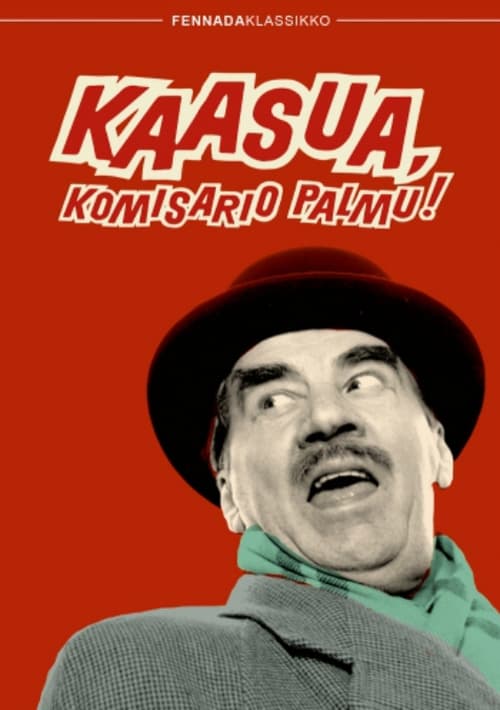
1961

1960
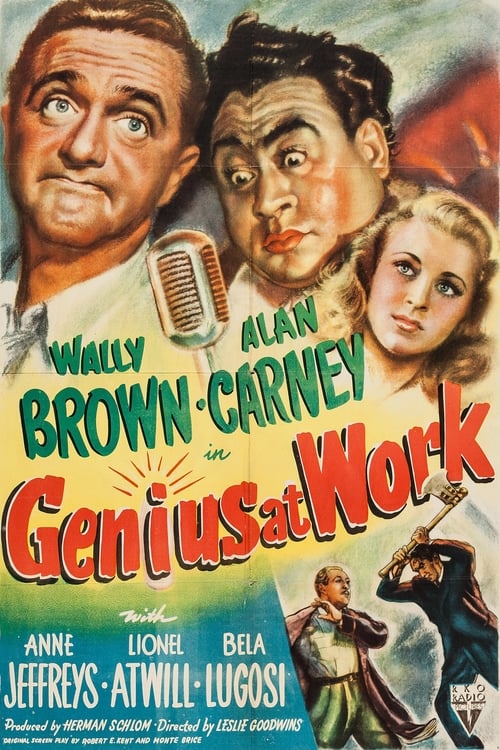
1946
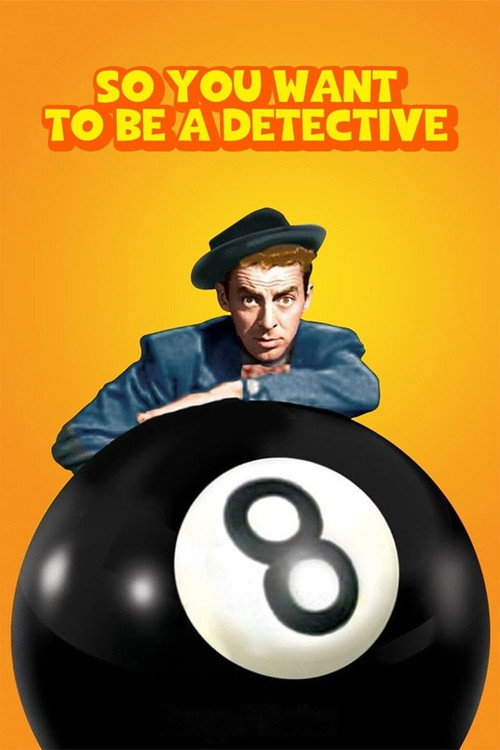
1948
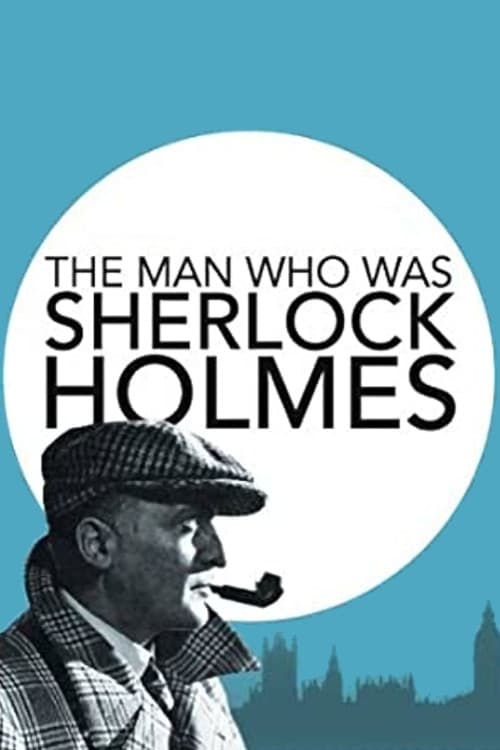
1937
1980
1957
No reviews yet. Be the first to share your thoughts on this movie!
Use the rating form above to leave a star rating and optional review.