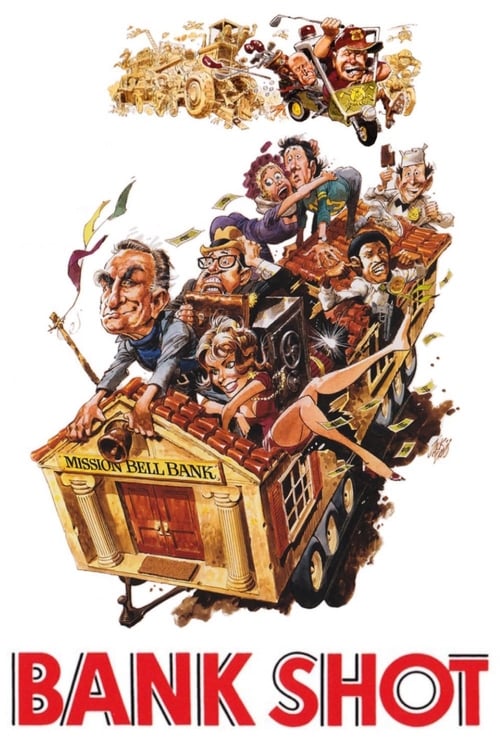
Bank Shot
1974
No user ratings available yet
Diversity score: 2.1 out of 10
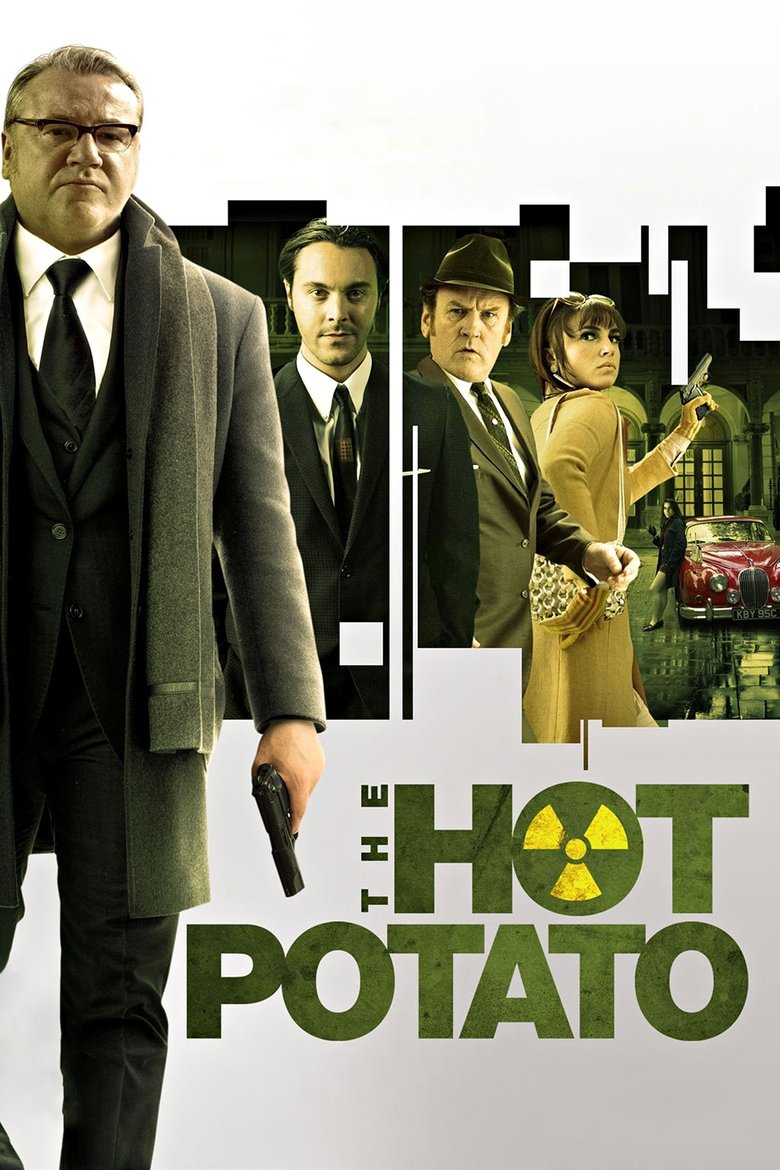
2011
PG-13Director
Tim Lewiston
Runtime
96 minutes
Average Rating
No ratings yetSynopsis
The 'Hot Potato' is an exciting new British period ‘caper movie’, in the spirit of ‘The Italian Job’ and ‘Two Way Stretch’ and is based on real events which took place at the end of the 1960s in London’s East End.
Overall Score
Limited
Category Breakdown
LGBTQ+ Representation
The film lacks LGBTQ+ characters or narratives addressing non-cisnormative identities. The central romantic dynamic is a heterosexual pairing between Danny and Carole.
Gender Representation
The story follows a traditional crime-caper structure centered on male-driven agency. While Carole participates in the adventure, the primary plot drivers are Danny and Kenny.
Racial & Ethnic Diversity
Set in 1969 London, the film focuses on a specific historical subculture. While the cast includes David Harewood, the narrative likely emphasizes a relatively homogeneous social group.
Religious & Cultural Diversity
The film utilizes a caper framework that celebrates anti-social behavior as entertainment. It functions as a genre throwback rather than a critique of Western institutions.
Disability Representation
There is no mention of characters navigating physical, sensory, or neurodivergent experiences within the plot.
Strengths
Areas for Improvement
AI Analysis
The Hot Potato operates as a stylistic homage to 1960s British crime cinema. Its narrative architecture prioritizes the mechanics of the caper—the movement of a high-stakes object—over the exploration of identity or systemic power dynamics. The film leans heavily into established genre tropes and masculine archetypes common to the era. While it features a diverse cast including David Harewood, the period setting suggests a focus on the demographic norms of the 1960s East End crime subculture. Ultimately, the production seeks to preserve traditional storytelling structures rather than deconstruct them. It lacks the intentionality required to disrupt social hierarchies or provide meaningful intersectional representation.
1974
1961
1965

1968

1967
2014
1978
1971
1984

2016
1957
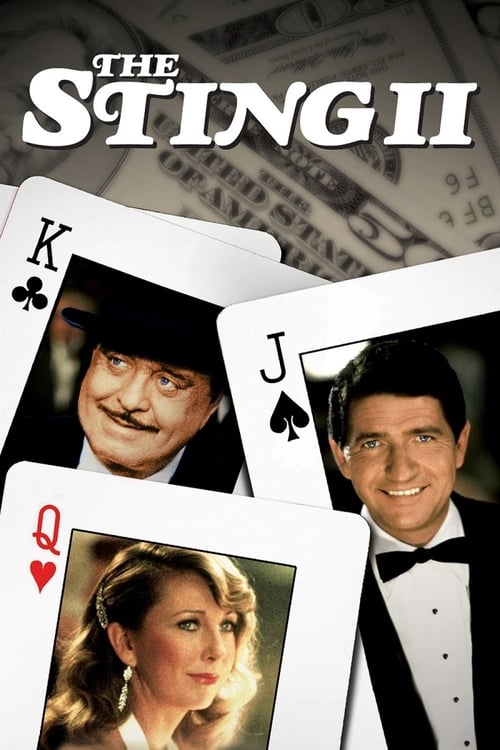
1983
No reviews yet. Be the first to share your thoughts on this movie!
Use the rating form above to leave a star rating and optional review.