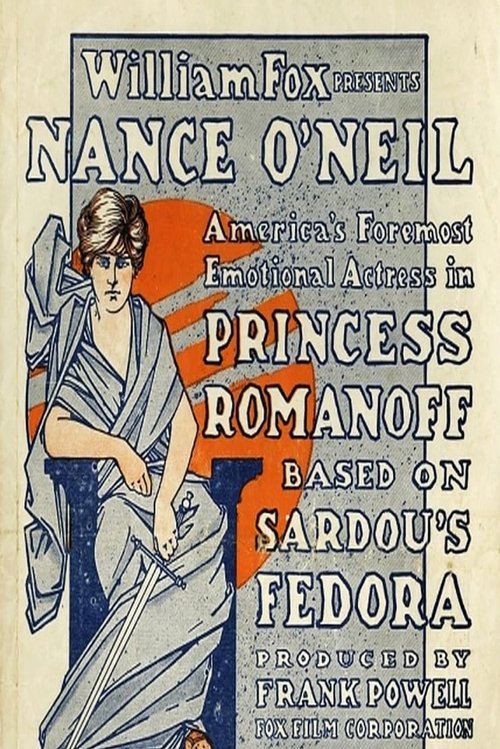
Princess Romanoff
1915
No user ratings available yet
Representation score: 0.4 out of 10
Representation Score
Minimal
1916
PassedDirector
Hal Clarendon
Average Rating
No ratings yetNew Showbiz Analysis
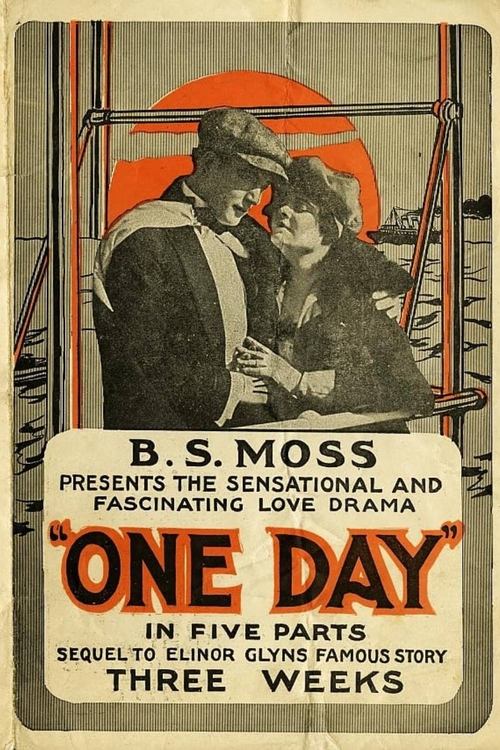
One Day exemplifies early 20th-century adventure cinema. It emphasizes traditional monarchical structures and patriarchal family dynamics over diverse representation. The narrative relies on Eurocentric storytelling and classic restorative arcs, focusing on the legitimacy of sovereign rule rather than critiques of systemic oppression. Ultimately, the film adheres to the conventional moral frameworks and social hierarchies of its era, offering limited representation outside of traditional Western norms.
Category Breakdown
The film does not feature any LGBTQ+ characters or stories related to non-straight identities. The love story revolves around a traditional marriage between Opal and the Prince of Argone.
Opal takes a leading role by sacrificing her freedom to save her father's throne. However, male characters dominate positions of political power, physical protection, and systemic aggression.
The story focuses on fictional European-style monarchies. Without specific casting information, the narrative seems to adhere to the homogeneous Western standards typical of 1916 adventure dramas.
The film upholds traditional Western values concerning monarchy and lineage. The plot follows a restorative arc aimed at restoring a rightful heir to his position.
There is no mention of characters with visible or invisible disabilities. The narrative does not provide any indication of neurodivergent representation.
Present on Screen
Limited or Absent
Official Synopsis
An assassination attempt is made on the life of Paul I, the infant King of Veseria, by Stefan, a henchman of Pavlovitch, the Regent, who wishes to take over the kingdom. Paul's bodyguard, Dimitri, foils the plot, but Pavovitch is told the attempt was successful and proclaims himself King. Dimitri takes the boy king to England to the home of his rightful father, Paul Verdayne. Twenty years passes, and Pavovitch finds himself the ruler or a bankrupt and rebellious country. To save her father's throne, Opal, his daughter consents to becoming the bride of the Prince of Argone, an elderly man with a bad reputation.
1915
1959
1955
1956
1958
1925
1958
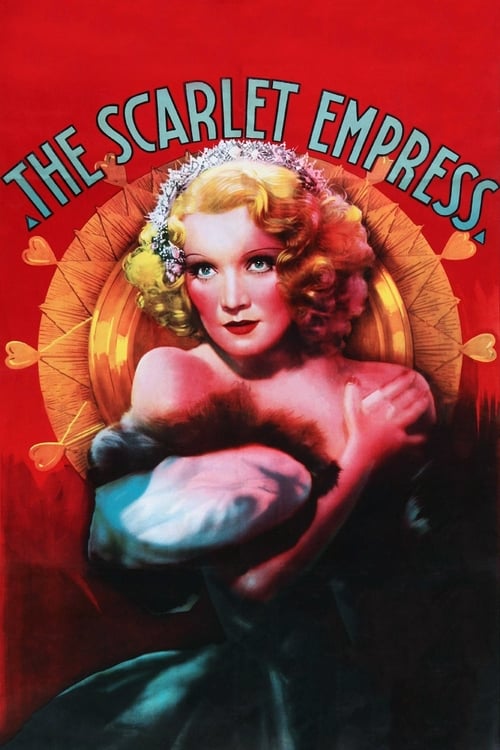
1934
No reviews yet. Be the first to share your thoughts on this movie!
Use the rating form above to leave a star rating and optional review.