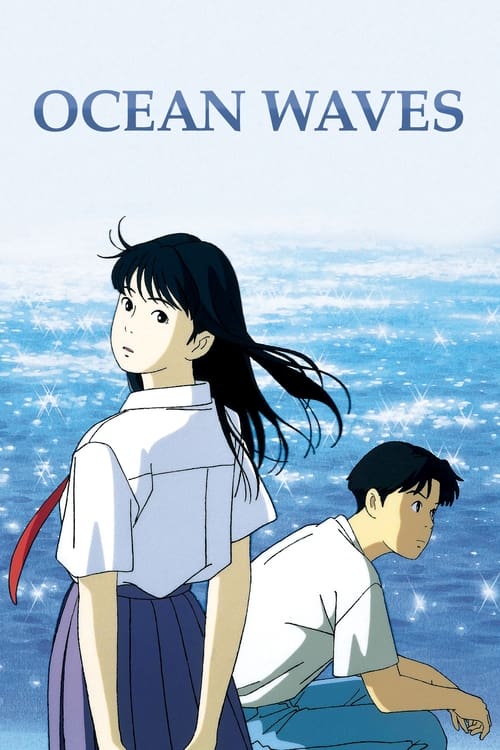
Ocean Waves
1993
No user ratings available yet
Representation score: 2.2 out of 10
Representation Score
Good
2002
PGDirector
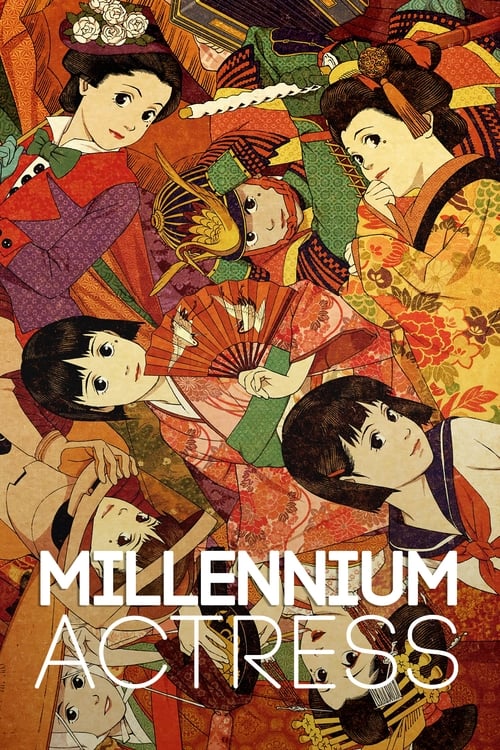
Satoshi Kon
Runtime
87 minutes
Average Rating
No ratings yetNew Showbiz Analysis
Satoshi Kon’s masterpiece places a woman’s subjective experience at the heart of a sweeping historical epic. By centering Chiyoko Fujiwara, the film highlights women's ability to drive the story and personal mythology. However, the film remains rooted in a traditional, heterosexual romantic storyline. This focus limits the narrative’s engagement with diverse social dynamics. Ultimately, the work explores Japanese cinematic history in a culturally specific way. While it lacks LGBTQ+ and racial breadth, it excels in its sophisticated deconstruction of identity and memory construction through media.
Category Breakdown
The story focuses on a traditional, heterosexual relationship throughout the film. There are no LGBTQ+ characters or non-straight identities, so the film doesn't engage with queer dynamics.
Chiyoko Fujiwara drives the narrative with her own intellect and emotions, subverting the damsel-in-distress stereotype. She plays a key role in shaping the story’s direction.
The setting is primarily focused on the cultural context of 20th-century Japan. It avoids racial stereotypes but does not include characters from multiple ethnic backgrounds.
The film uses postmodern ideas to emphasize subjective experiences over historical facts. It examines how the film industry and capitalism influence our memories and desires.
There are no prominent depictions of physical or neurodivergent disabilities. The narrative focuses on psychological aspects like memory and aging.
Present on Screen
Limited or Absent
Official Synopsis
Documentary filmmaker Genya Tachibana has tracked down the legendary actress Chiyoko Fujiwara, who mysteriously vanished at the height of her career. When he presents her with a key she had lost and thought was gone forever, the filmmaker could not have imagined that it would not only unlock the long-held secrets of Chiyoko’s life... but also his own.
1993

2000

2013
2020

1987
2005
2010
2018
No reviews yet. Be the first to share your thoughts on this movie!
Use the rating form above to leave a star rating and optional review.