Re-entry
1964
No user ratings available yet
Representation score: 5.5 out of 10
Representation Score
Fair
1964
Director
Robert Breer
Runtime
8 minutes
Average Rating
No ratings yetNew Showbiz Analysis
Fist Fight is an avant-garde, autobiographical short that prioritizes formalist aesthetics over social narrative. The film relies on geometric abstraction and rhythmic montage rather than character-driven drama, making traditional measures of representation like dialogue-based ability to act less relevant. It functions as a neutral exploration of memory and form. While it avoids reinforcing traditional social hierarchies or stereotypes, it lacks the intentional character's ability to drive the story needed for high-tier progressive representation. Ultimately, the film operates outside a standard sociological framework. It disrupts cinematic expectations through its structure but remains focused on visual texture.
Category Breakdown
The film avoids traditional assumptions about straight relationships by using abstraction and non-linear sequences. However, the lack of character-driven dialogue or clear interpersonal interactions limits its exploration of LGBTQ themes.
Family photos show various genders, but the focus on geometric shapes breaks down traditional views. There is no indication of gendered power dynamics or roles that challenge typical gender norms.
Using family archives might include diverse backgrounds, but vibrant colors and geometric shapes shift the focus to aesthetics. No racial stereotypes or intentional multi-layered casting are evident.
The film challenges traditional Western storytelling by emphasizing subjective, non-linear experiences. This fragmented, autobiographical approach breaks down the idea of a cohesive, authoritative narrative.
There is no evidence regarding the portrayal of neurodivergence or physical disabilities. The abstract nature might resonate with diverse sensory experiences, but this is unverified.
Present on Screen
Limited or Absent
Official Synopsis
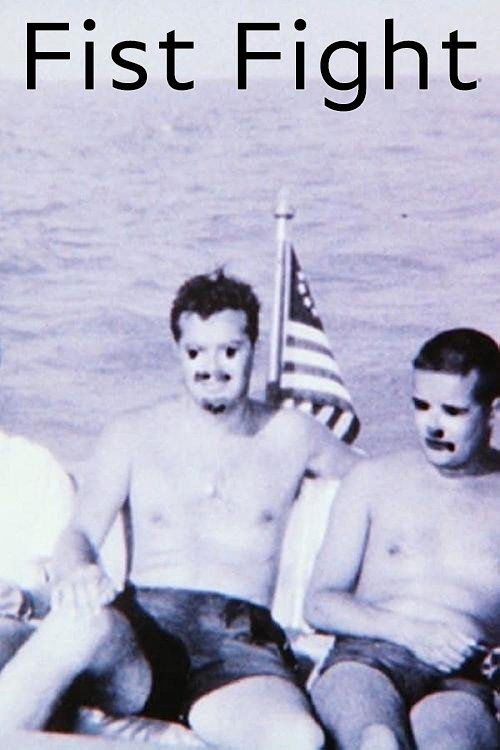
Breer's extraordinary autobiographical film combines personal and family photos with intense colors, textures and geometric abstractions. Originally presented as part of Karlheinz Sotckhausen's 1964 premiere of Originale. - Harvard Film Archive
1964
1968
2003
1973

1959
1991
1953
1961
No reviews yet. Be the first to share your thoughts on this movie!
Use the rating form above to leave a star rating and optional review.