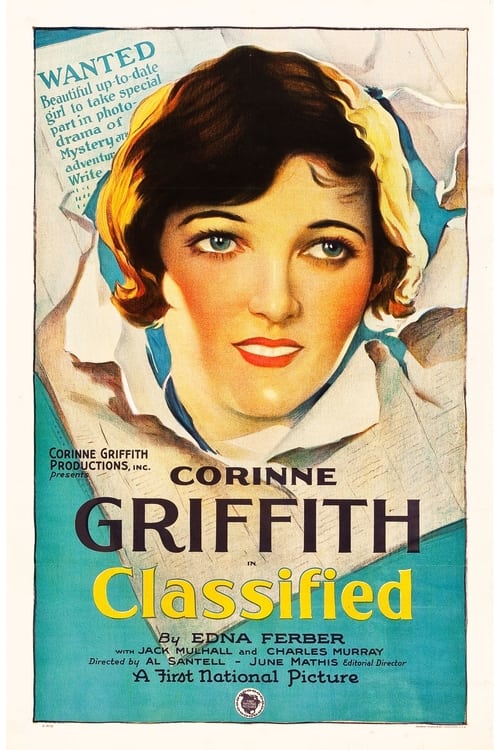
Classified
1925
No user ratings available yet
Representation score: 2.4 out of 10
No Poster Available
Representation Score
Minimal
1936
ApprovedDirector
Kurt Neumann
Runtime
21 minutes
Average Rating
No ratings yetNew Showbiz Analysis
Violets in Spring is a traditional studio-era romantic comedy that adheres to the social and demographic norms of 1936. The plot revolves around a man and a woman being manipulated into a relationship by corporate leadership, reinforcing traditional power structures. The film lacks complexity in representing diverse identities, focusing instead on a standard heterosexual romantic cliché. The reliance on a male-dominated hierarchy to orchestrate romance suggests a narrative where characters, especially women, have limited control over their lives. Given the era and setting, the film reflects a period of demographic uniformity. It functions as a product of its time, prioritizing institutional stability and established social norms over diverse representation.
Category Breakdown
The film focuses on a heterosexual romantic pairing and does not include any non-binary or LGBTQ+ identities.
The narrative centers around a male-dominated corporate structure that influences interpersonal relationships. Mary Jones is portrayed as a subject of psychological experimentation rather than an independent protagonist.
Set in a 1936 American corporate environment, the film likely features a homogeneous, Anglo-centric cast. There is no indication of diverse character representation or color-blind casting.
The plot upholds mid-century values of social cohesion and institutional stability. It operates within a framework of established social order and corporate hierarchy.
There is no information available regarding the inclusion of characters with physical or neurodivergent disabilities.
Present on Screen
Limited or Absent
Official Synopsis
Mary Jones and Charlie Hall have worked for four years in the same office at the Acme Carpet Sweeper Company, but they have never shown any interest in each other. At the suggestion of a janitor, the president of the company uses psychology to try to get them together.
1925

1934
1942

1940

1934
1977
1937

1928
No reviews yet. Be the first to share your thoughts on this movie!
Use the rating form above to leave a star rating and optional review.