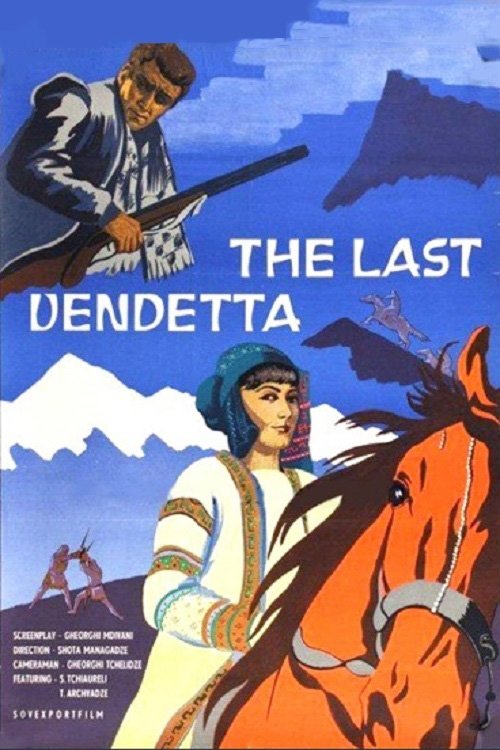
The Last Vendetta
1966
No user ratings available yet
Representation score: 3.3 out of 10
Representation Score
Fair
1969
Director
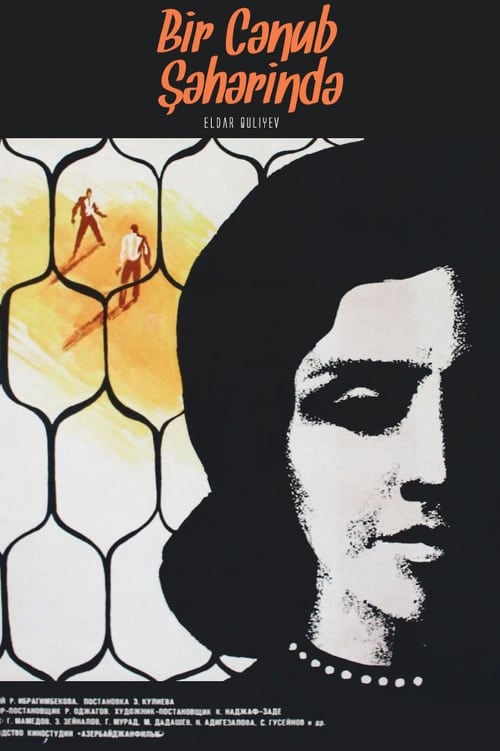
Eldar Quliyev
Runtime
75 minutes
Average Rating
No ratings yetNew Showbiz Analysis
In a Southern Town is a culturally significant drama that stands out for its regional specificity and its critique of the Soviet-era sociopolitical establishment. By focusing on local ethical codes, the film provides a nuanced look at identity and morality. While the film excels in ethnic and cultural representation, it remains tied to traditional gender roles. Female characters are often positioned as objects of honor rather than autonomous agents. The narrative also lacks representation of LGBTQ+ identities or perspectives on disability.
Category Breakdown
The film does not include any LGBTQ+ characters or non-cisgender identities.
A woman plays a central role in driving the plot, but her influence is limited by traditional gender roles and social obligations.
The film offers a unique Azerbaijani perspective, providing meaningful representation through its specific ethnic and cultural context.
The story centers on local ethical norms that challenge state-imposed morality, creating a complex critique of centralized authority.
The film does not feature characters with physical or neurodivergent disabilities.
Present on Screen
Limited or Absent
Official Synopsis
Murad, a young man, lives by the old ethical norms that are still valid in the suburbs of his city. He had promised Tofig, his childhood friend, to give him his sister as a wife, but Tofig is in love with another girl. He forgets the promise and takes the girl home. Murad is offended. According to the code of honor, he must take revenge. One of the first films ever produced in the Soviet Union to challenge the sociopolitical establishment.
1966

1967
1990
2001
1966
1966
1990
2009
No reviews yet. Be the first to share your thoughts on this movie!
Use the rating form above to leave a star rating and optional review.