
The Technique and the Rite
1972
No user ratings available yet
Diversity score: 5.8 out of 10
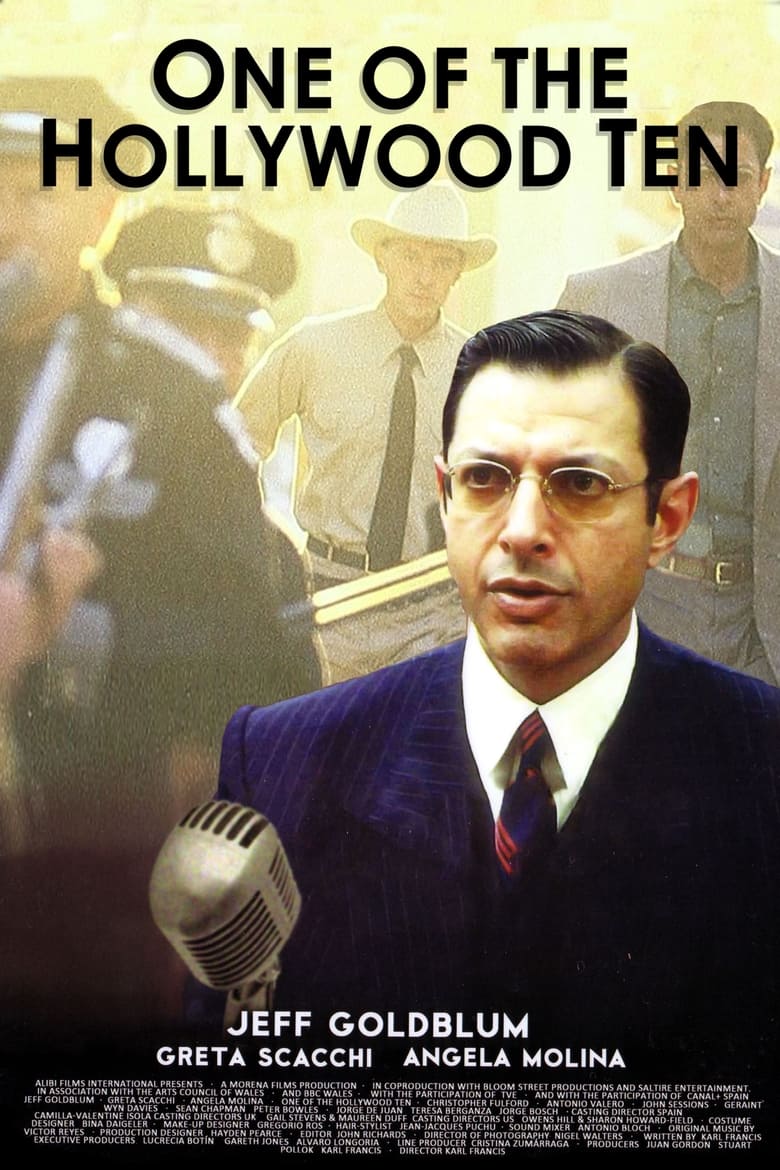
2002
Director
Karl Francis
Runtime
109 minutes
Average Rating
No ratings yetSynopsis
Herbert Biberman struggles as a Hollywood writer and director blacklisted as one of The Hollywood Ten in the 1950s.
Overall Score
Fair
Category Breakdown
LGBTQ+ Representation
The film focuses primarily on political blacklisting during the McCarthy era. There is no explicit evidence of queer character arcs or non-cisnormative identities within the narrative.
Gender Representation
The story examines systemic pressures on creators, potentially deconstructing traditional historical tropes. However, the 1950s setting may limit the presence of contemporary gender parity.
Racial & Ethnic Diversity
The narrative likely touches upon how systemic gatekeeping affected diverse creators during a period of intersectional struggle. Specific depth regarding non-white agency remains unverified.
Religious & Cultural Diversity
The film offers a strong critique of American institutionalism and state power. It frames the Red Scare as a period of corruption and oppression against intellectual liberty.
Disability Representation
There is no evidence to suggest that neurodivergence or physical disability serves as a central component of the story.
Strengths
Areas for Improvement
AI Analysis
One of the Hollywood Ten is a historical drama that interrogates the friction between individual conscience and state-sponsored suppression. By centering on Herbert Biberman’s struggle during the McCarthy era, the film challenges conventional historical narratives and critiques the morality of established power structures. The film excels at framing the mid-century political climate as a period of profound systemic dysfunction. It prioritizes a critique of traditional Western legalism and the perceived corruption of the state. However, the film's focus on political blacklisting leaves its representation of other marginalized identities, such as LGBTQ+ individuals or specific racial agency, largely unconfirmed. The historical setting also presents inherent limitations regarding modern gender dynamics.
1972

1980
2009

2024
1948
2015
1921
2022

2006
1984
2016

2009
No reviews yet. Be the first to share your thoughts on this movie!
Use the rating form above to leave a star rating and optional review.