
Labyrinth of Lies
2014
No user ratings available yet
Representation score: 6.0 out of 10
Representation Score
Fair
1989
PG-13Director
Jerry Schatzberg
Runtime
110 minutes
Average Rating
No ratings yetNew Showbiz Analysis
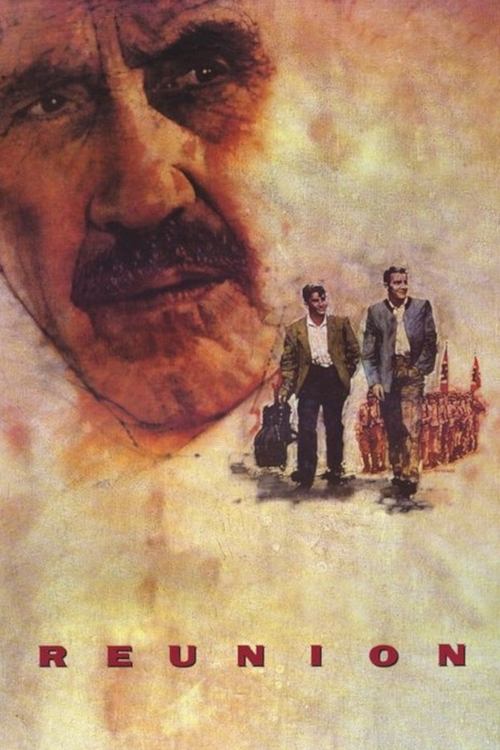
Reunion is a character-driven historical drama that prioritizes the psychological impact of systemic oppression. It succeeds by moving away from monolithic storytelling to explore identities shaped by political upheaval. The film's strength lies in its multi-layered approach to ethnicity and memory. By centering the Jewish diaspora, it offers a necessary disruption to the typical cinematic norms of the 1980s. However, the film lacks overt contemporary markers of gender or LGBTQ+ subversion. The narrative remains heavily focused on men's control over the story and historical trauma rather than a broader spectrum of identity.
Category Breakdown
The film lacks explicit evidence of LGBTQ+ characters or non-straight relationships. The narrative focuses on the historical trauma of the Jewish diaspora and the personal connection between two men.
The story centers on the male experience and the shared history between two men. While it explores emotional vulnerability, the primary ability to act is held by male protagonists, leaving female roles undefined.
The film provides meaningful representation by centering the Jewish experience and the reality of the Third Reich. It disrupts Anglo-centric drama norms by focusing on a protagonist from a underrepresented group.
The narrative examines the rise of the Third Reich through historical critique. It prioritizes the subjective experience of displacement and the systemic failures of the mid-20th century.
There are no visible or invisible disabilities mentioned as central to the plot or character arcs.
Present on Screen
Limited or Absent
Official Synopsis
Attorney Henry Strauss grew up in Germany, but left the country with his Jewish family during the rise of the Third Reich. Still wondering about what happened to his boyhood friend Konradin Von Lohenburg, Strauss travels back to Germany for the first time since he was a young man, bringing up some painful memories.
2014

1985

1993

1970

2016

1959
1995

1984
No reviews yet. Be the first to share your thoughts on this movie!
Use the rating form above to leave a star rating and optional review.