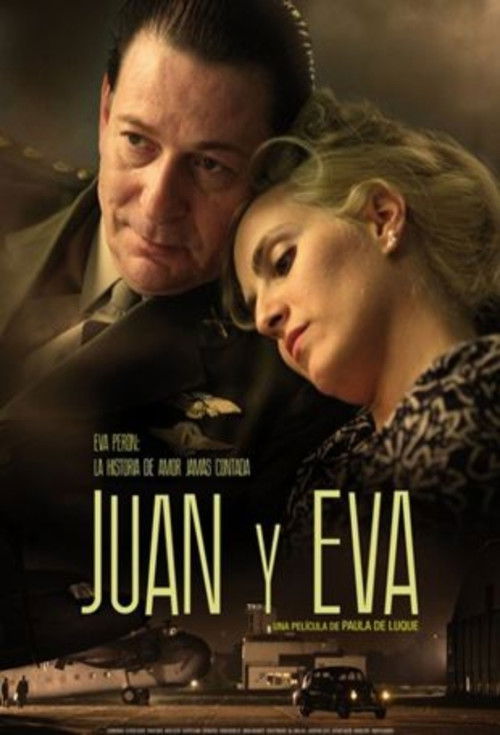
Juan & Eva
2011
No user ratings available yet
Representation score: 6.4 out of 10
Representation Score
Good
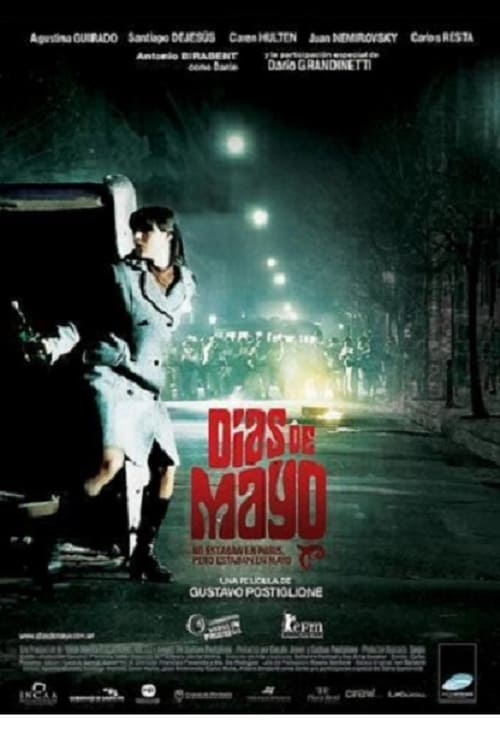
2009
Director
Gustavo Postiglione
Runtime
103 minutes
Average Rating
No ratings yetNew Showbiz Analysis
Días de mayo is a sophisticated historical drama that uses personal relationships to critique systemic issues. By placing a romance within the 1969 Rosariazo uprisings, the film examines how individual beliefs intersect with state power. The film successfully shifts away from 'great man' history, focusing instead on grassroots activism and the intersection of art, media, and activism. It offers a nuanced look at how social rebellion disrupts institutional order. However, the film’s diversity is somewhat limited by its focus on specific political archetypes. While it excels in cultural critique, it lacks clear representation of disabilities or explicit LGBTQ+ identities.
Category Breakdown
The film focuses on a romantic relationship between two young characters but does not explicitly explore non-straight relationships.
The story emphasizes the roles of a student activist and a media professional, highlighting their intellectual and political engagement rather than traditional gender roles.
Set in Argentina, the film delves into Latin American identity and the socio-ethnic dynamics of South American urban life during a time of class conflict.
The narrative strongly critiques established power structures using the Rosariazo uprising to challenge state authority and institutional stability.
There is no clear depiction of physical or neurodivergent disabilities in the film.
Present on Screen
Limited or Absent
Official Synopsis
During the Rosariazo of 1969, two young people, a university activist and theater student and a freelance photographer and cameraman for a TV channel, fall in love.
2011

1985

2022
2018
2022

1984
2009

1963
No reviews yet. Be the first to share your thoughts on this movie!
Use the rating form above to leave a star rating and optional review.