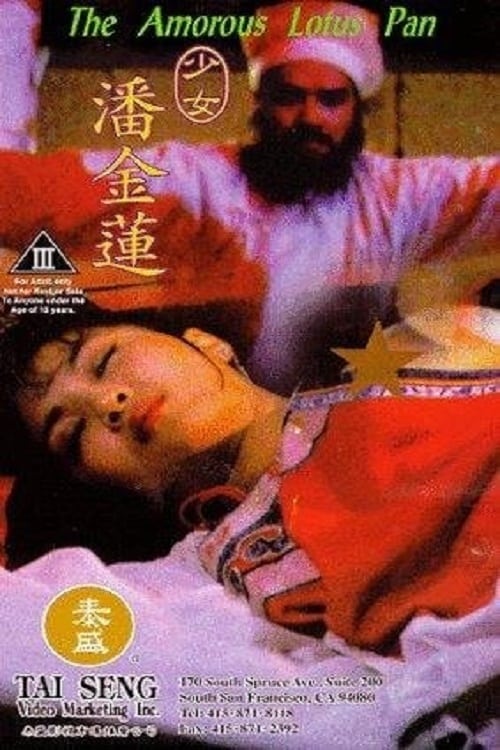
The Amorous Lotus Pan
1994
No user ratings available yet
Diversity score: 6.0 out of 10

1921
Director
Mario Roncoroni, Gabriellino D'Annunzio
Runtime
86 minutes
Average Rating
No ratings yetSynopsis
The newly-settled city of Venice in the Sixth Century AD: A wandering people struggle to establish Christian Theocracy. Basiliola Faledro, an exotic dancer, wicked and cunning, arrives from faraway lands seeking to avenge her pagan lineage; Her father and brothers blinded and humilated by frenzied zealots. Her primary targets are the brothers Gràtico, both newly-elected to positions of power: One, Marco, an arbiter and tribune, the other, Sergio, a bishop. The title refers to a bold pronouncement made by Deaconess Ema Gràtico to her subjects the Venetians, a seafaring and desperate tribe-- That their native homeland is aboard a ship.
Overall Score
Good
Category Breakdown
LGBTQ+ Representation
The film lacks explicit depictions of same-sex intimacy or non-cisnormative identities. The narrative focus centers on the conflict between pagan lineage and Christian theocracy.
Gender Representation
Basiliola Faledro subverts traditional female passivity through her cunning and strategic intellect. She acts as the primary catalyst for disrupting established male power structures.
Racial & Ethnic Diversity
The story introduces ethnic friction by centering a character from faraway lands. Her struggle highlights the tension between dominant Western hegemony and displaced cultural identities.
Religious & Cultural Diversity
The film critiques religious institutions by portraying theocracy as a source of zealotry and violence. It prioritizes the perspective of the pagan outsider against oppressive structures.
Disability Representation
Characters are blinded as a result of systemic violence rather than being portrayed with agency. These elements serve as plot catalysts rather than nuanced representations of disability.
Strengths
Areas for Improvement
AI Analysis
The Ship presents a narrative that challenges the rigid hierarchies of the sixth-century Venetian setting. By centering a cunning female protagonist and a displaced pagan outsider, the film moves away from simple moralism toward a more complex study of institutional oppression. While the film lacks LGBTQ+ representation and nuanced disability portrayals, it excels in deconstructing religious and patriarchal authority. The tension between the established Christian theocracy and the 'exotic' outsider provides a rich framework for exploring cultural friction. Ultimately, the film's strength lies in its subversion of traditional roles, positioning its female lead and religious dissenters as sophisticated agents of disruption.
1994

2018

2007

1980

1985
2019
1994

1995

1972
2025

1948

1968
No reviews yet. Be the first to share your thoughts on this movie!
Use the rating form above to leave a star rating and optional review.