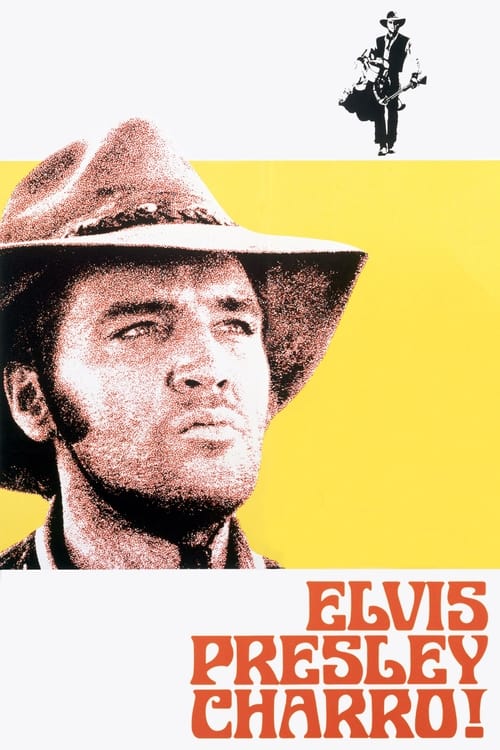
Charro!
1969
No user ratings available yet
Representation score: 1.4 out of 10

Representation Score
Minimal
1961
TV-PGDirector
Burt Kennedy
Runtime
85 minutes
Average Rating
No ratings yetNew Showbiz Analysis
The film opens on a stark, snowy landscape, establishing the Canadian wilderness as an indifferent force that shapes human conflict. This setting frames the central tension: the arrival of Sioux refugees and the subsequent violence by Montana cowboys. The sold meaning is one of benevolent order, where the Mounties act as neutral arbiters between Indigenous peoples and white settlers. However, the film’s internal logic reveals a deeper colonial anxiety. The Sioux are permitted to stay only if they remain peaceful, a conditional hospitality that underscores their precarious status. The cowboys’ murder of the village inhabitants is treated as a criminal act to be resolved by law, not as a systemic failure of colonial policy. The camera lingers on the Mounties’ competence and endurance, positioning them as the moral center. The white woman’s kidnapping and death serve to heighten the stakes, but her agency is limited to being a victim. The ending, where the cowboys are driven to their deaths by a stampede, reinforces the idea that nature and law are aligned against chaos. The film’s argument is that order is fragile and requires constant maintenance, but it does not question the structures that create the conflict in the first place. The last image, with the senior Mountie retiring, suggests a passing of the torch, but the system remains intact. The film’s values settle on the affirmation of the state and its agents, treating them as inherently good and necessary. The Sioux are never fully integrated; they remain a managed presence, their survival contingent on their compliance. The film’s moral verdict is clear: law and order prevail, but the cost is borne by those outside the system. The camera loves the Mounties, not the Sioux, and the ending confirms that the status quo is the only stable option.
Category Breakdown
No same-sex intimacy or queer identity appears in this 1961 Western. The narrative focuses exclusively on heterosexual dynamics and institutional duty, leaving no room for non-binary characters.
Men hold all institutional power in this male-dominated space. An integrated white woman is kidnapped and killed, serving as a plot device rather than a character with agency.
Sioux characters are central yet depicted through a colonial lens. The film treats Indigenous presence as a manageable anomaly within a white Canadian framework, with Mounties as benevolent gatekeepers.
The North-West Mounted Police are portrayed as the moral center, upholding order and law. The film affirms traditional Western hierarchies, treating the state and its agents as inherently good.
No characters with disabilities are depicted. The physical toll of the environment is shown, but no specific impairment is addressed as a character trait or social issue.
Present on Screen
Limited or Absent
Official Synopsis
When the Sioux come to Canada, the Canadians permit them to stay in Canada if they come peacefully. However, some cowboys kill all inhabitants of one of their villages. The cowboys seek to get back their horses, but they pretend to search for a girl who once had been robbed by the Indians.
1969
1965
1957
1970
1965

1950
1970
1975
No reviews yet. Be the first to share your thoughts on this movie!
Use the rating form above to leave a star rating and optional review.