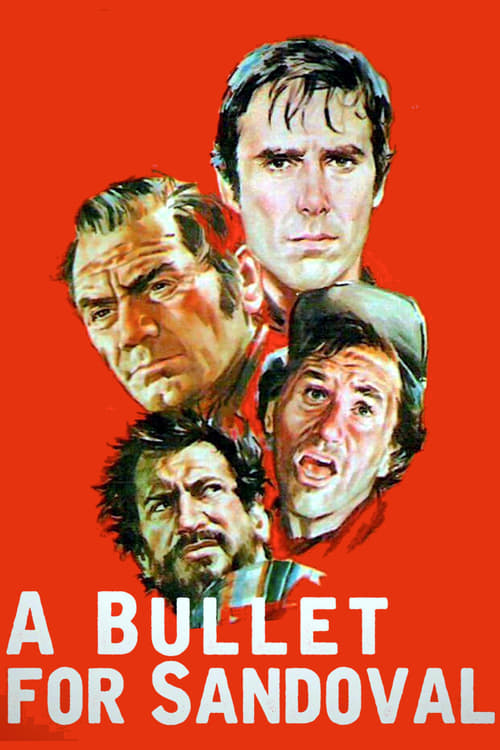
A Bullet for Sandoval
1969
No user ratings available yet
Representation score: 1.2 out of 10
Representation Score
Minimal
1970
PGDirector
Burt Kennedy
Runtime
104 minutes
Average Rating
No ratings yetNew Showbiz Analysis
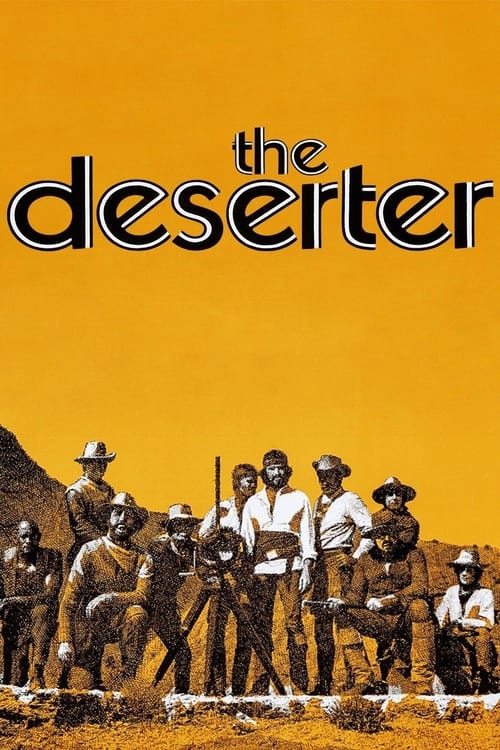
The Deserter is a traditional genre piece that highlights the tension between individual choice and institutional rules. It operates within the social and demographic norms of the 1970s Western genre. While the film offers a moderate critique of military authority through themes of desertion, it lacks multi-layered complexity. The narrative relies on conventional gender and racial clichés. Overall, the film adheres to a homogeneous perspective, failing to provide diverse casting or challenge social hierarchies.
Category Breakdown
The film does not include any LGBTQ+ characters or non-cisgender identities. The story focuses solely on traditional heterosexual relationships.
The story centers around a group of male soldiers. A female character drives the protagonist's actions, but she remains a passive figure within the traditional gender hierarchy.
Indigenous peoples are shown primarily as external threats rather than fully developed characters. The narrative emphasizes a homogeneous Western perspective with limited racial diversity.
The film critiques military institutions by focusing on desertion and personal revenge. It examines the failure of state protection through the lens of frontier justice.
There is no representation of physical, neurodivergent, or mental health disabilities among the main characters.
Present on Screen
Limited or Absent
Official Synopsis
A young cavalry officer finds his woman tortured by the Apaches and blames the Army for not properly protecting the outpost, so becomes a deserter and an avenger, stalking and killing Indians without warning.
1969
1970
1965

1950
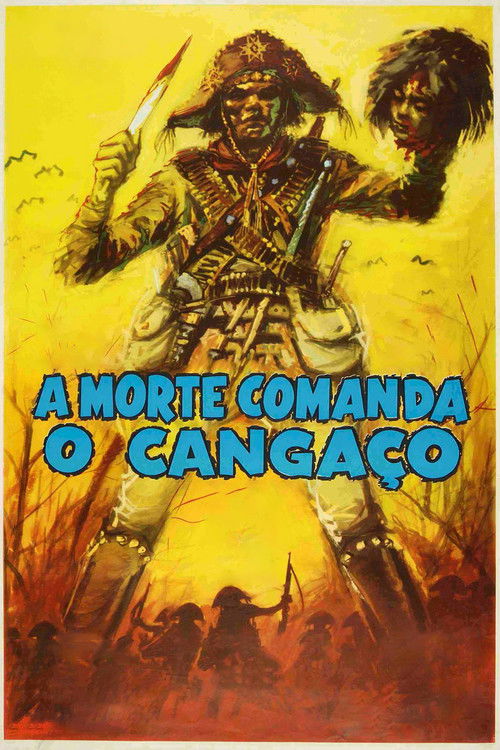
1960
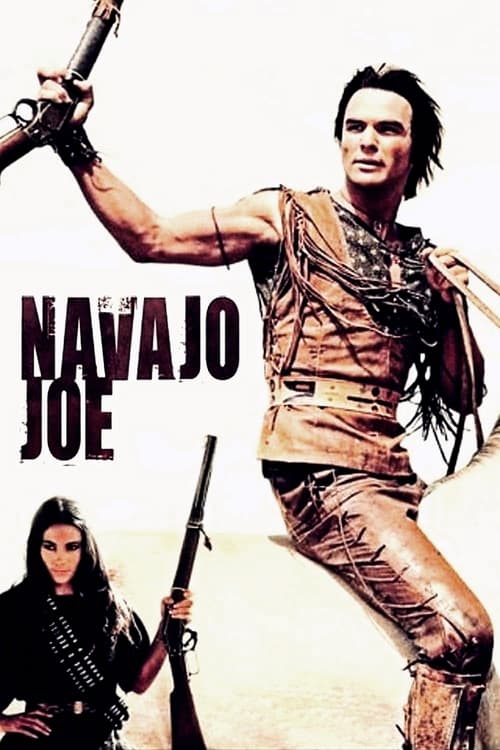
1966
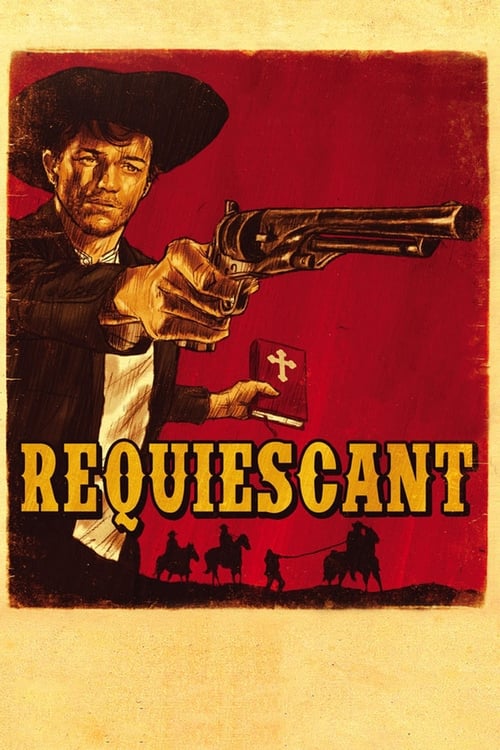
1967
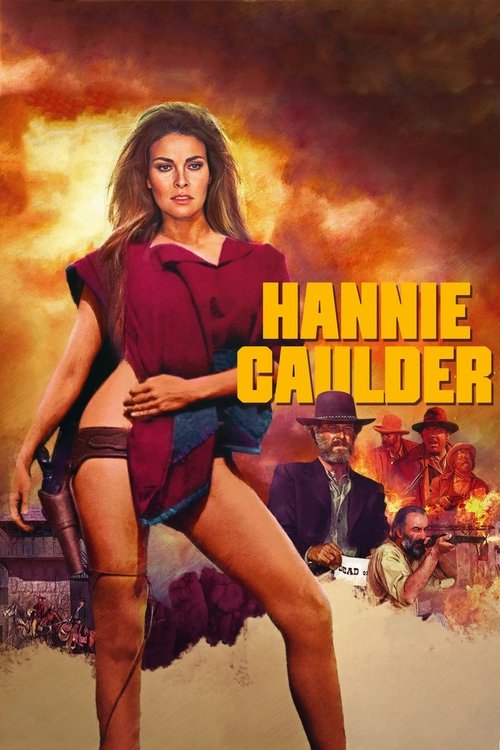
1971
No reviews yet. Be the first to share your thoughts on this movie!
Use the rating form above to leave a star rating and optional review.