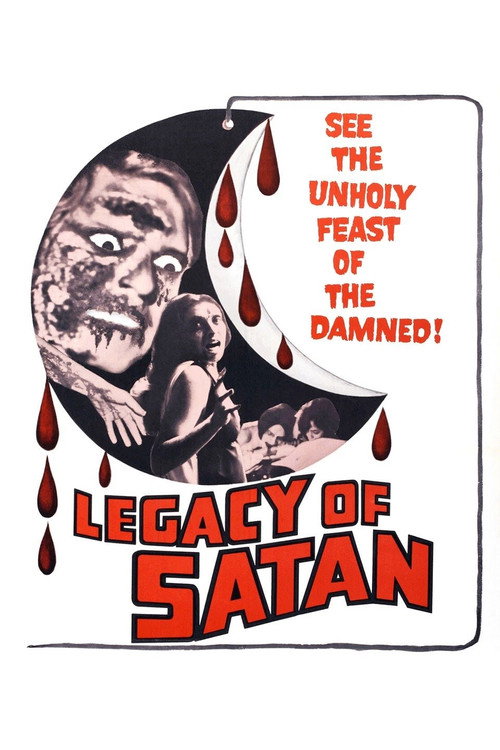
Legacy of Satan
1974
No user ratings available yet
Representation score: 3.3 out of 10

Representation Score
Fair
1972
PGDirector
William Girdler
Runtime
80 minutes
Average Rating
No ratings yetNew Showbiz Analysis
Asylum of Satan is a classic supernatural horror film that emphasizes genre clichés over diverse representation. It uses the 'mad doctor' archetype to explore themes of institutional corruption and moral conflict. The film's primary strength lies in its questioning of the perceived reliability of Western medical and scientific institutions. However, the cast and character dynamics reflect the limited demographic range typical of early 1970s American horror. Overall, the film centers on a central conflict between a protagonist and a malevolent authority figure, with little emphasis on diverse identity-driven storytelling.
Category Breakdown
The film does not include any LGBTQ+ characters or narratives that question the assumption that everyone is straight or cisgender. The story revolves around religious and satanic rituals set in a medical environment.
A female character leads the story as the main subject. She faces a male opponent, but it is unclear whether she actively drives the plot or remains a passive participant.
The production adheres to traditional 1970s casting practices, featuring a predominantly white cast. There is no indication of a diverse or non-Anglo-Saxon cast.
The narrative questions the trustworthiness of Western institutions by depicting a medical facility as a place of occult corruption. It challenges the reliability of professional institutions through ritualistic themes.
The asylum setting suggests characters with mental health issues. However, these characters might serve more as atmospheric elements rather than individuals with genuine ability to act.
Present on Screen
Limited or Absent
Official Synopsis
A young woman is brought to an asylum to receive special treatment from a mysterious doctor. Dr. Spector does more than just run the hospital -- he offers his patients as sacrifices to Satan.
1974
1960
1974

1977

1972
1971
1978
1972
No reviews yet. Be the first to share your thoughts on this movie!
Use the rating form above to leave a star rating and optional review.