When Strangers Marry
1944
No user ratings available yet
Representation score: 1.4 out of 10
Representation Score
Limited
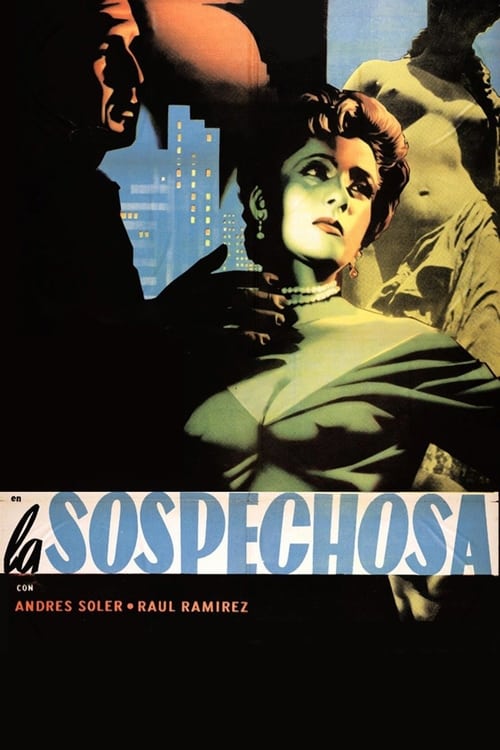
1955
Director
Alberto Gout
Runtime
100 minutes
Average Rating
No ratings yetNew Showbiz Analysis
Alberto Gout’s film is a typical example of mid-century Mexican noir and melodrama. It reflects the era's established cinematic norms rather than serving as a tool for progressive change. While the film provides a non-Western cultural perspective, it does not challenge existing social hierarchies. The narrative relies on traditional frameworks, focusing on domestic mysteries and social reputation. It lacks diverse character arcs or any intentional subversion of the gender and social structures of the time.
Category Breakdown
The film follows the traditional romantic structures typical of 1950s Mexican melodrama. There are no queer narratives or non-conforming gender identities in the story.
Regina de Alba is a central protagonist who investigates mysteries. However, her character is mainly defined by her emotional responses to male-driven conflicts and her family relationships.
The production offers a perspective that is not centered around Anglo culture, reflecting the Mexican film industry. It mirrors the social hierarchy of the era without challenging racial identity.
The narrative upholds conventional morality and family stability. It operates within a traditional framework without offering critiques of Western traditions.
There is no evidence of physical or neurodivergent disabilities being portrayed in this work.
Present on Screen
Limited or Absent
Official Synopsis
After a trip to Europe, Regina de Alba comes home and finds out her mother is nowhere to be found. When her step-father's criminal past becomes known, her suspicions increase.
1944

1944
1952
1949
1953

1946
1951
1950
No reviews yet. Be the first to share your thoughts on this movie!
Use the rating form above to leave a star rating and optional review.