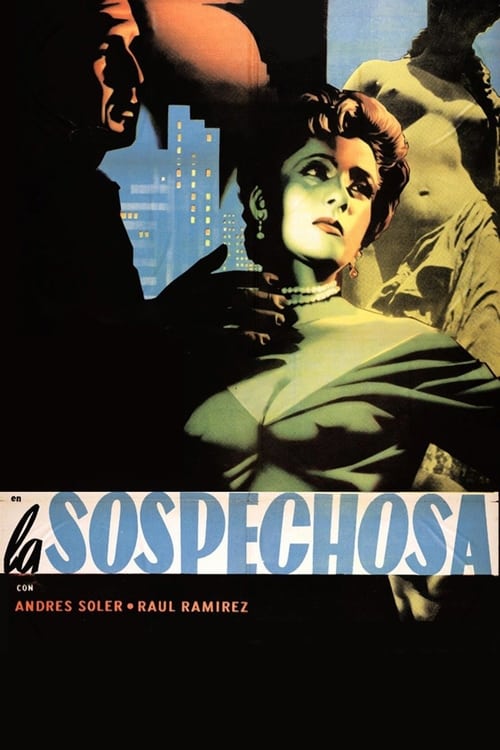
The Suspect
1955
No user ratings available yet
Representation score: 2.8 out of 10
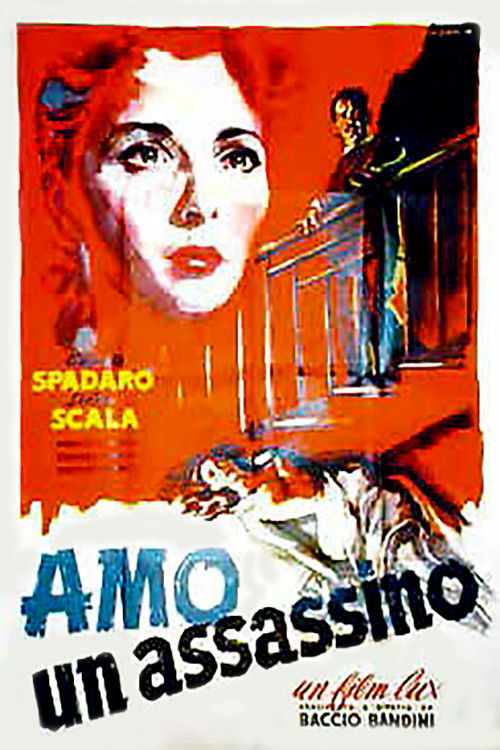
Representation Score
Minimal
1952
ApprovedDirector
Baccio Bandini
Runtime
90 minutes
Average Rating
No ratings yetNew Showbiz Analysis
Appointment for Murder is a traditional mid-century noir that adheres strictly to the social and narrative constraints of its era. The film functions as a standard mystery, prioritizing genre clichés over any attempt at systemic deconstruction or identity-based disruption. The narrative architecture relies on conventional domestic conflicts, such as marital estrangement, which reinforces rather than challenges existing social hierarchies. The focus remains on the mechanics of the crime rather than the lived experiences of underrepresented groups. Ultimately, the film reflects the homogeneous and traditionalist demographic norms of 1950s Italian cinema, offering little in the way of diverse representation or cultural critique.
Category Breakdown
The film focuses on the conventional marital relationship between an estranged husband and wife. There is no representation of LGBTQ+ identities or stories that challenge the assumption that everyone is straight or cisgender.
The plot centers around a female character dealing with domestic conflict. While she drives the story forward, the film does not challenge traditional gender roles or depict weak masculinity.
As an Italian production from 1952, the film likely reflects a homogeneous European population. There is no evidence of diverse casting or non-white representation within the narrative.
The story follows typical crime drama conventions that reinforce traditional social structures. It lacks anti-capitalist, anti-religious, or anti-Western sentiments, sticking to established genre clichés.
A physical fall serves as a plot device for the mystery. However, the film does not explore neurodivergence or permanent disability as a character trait with significant influence.
Present on Screen
Limited or Absent
Official Synopsis
A woman has jumped or been pushed from five stories of an apartment house. The detective on the case lives there, and he discovers that the woman's estranged husband does also.
1955

1944
1944
1944
1942
1953

1941
1947
No reviews yet. Be the first to share your thoughts on this movie!
Use the rating form above to leave a star rating and optional review.