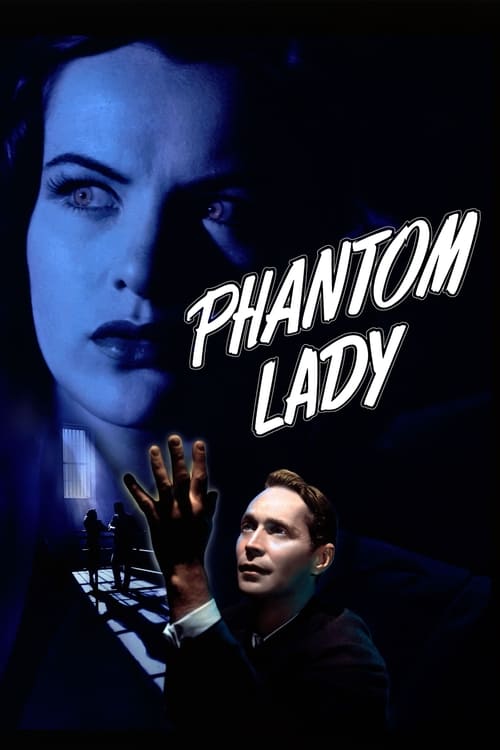
Phantom Lady
1944
No user ratings available yet
Representation score: 1.6 out of 10
Representation Score
Minimal
1946
ApprovedDirector
George Marshall
Runtime
99 minutes
Average Rating
No ratings yetNew Showbiz Analysis
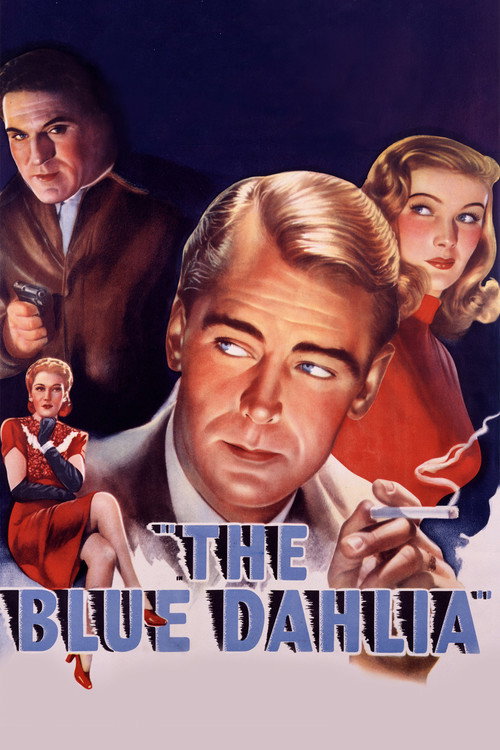
The Blue Dahlia is a quintessential product of 1946 Hollywood, adhering closely to the era's demographic and social norms. It lacks any meaningful representation of LGBTQ+ individuals or people with disabilities, resulting in a narrow social scope. While the film is racially homogeneous, it offers a slight departure from traditional gender roles. By centering on a manipulative female lead rather than a submissive archetype, the film provides a nuanced look at women's ability to drive the story within a crime setting. Ultimately, the film functions as a genre piece that prioritizes noir conventions over social diversity. It remains a reflection of a period characterized by conservative casting and limited perspectives that reflect multiple aspects of identity.
Category Breakdown
The film follows a strictly straight-centered structure with no depictions of LGBTQ+ identities or non-cisgender relationships.
The narrative challenges traditional gender roles through the femme fatale archetype. The female lead uses manipulation and sexuality to navigate a male-dominated underworld.
The cast is predominantly white, reflecting the systemic homogeneity of the era. The film lacks diverse ethnic casting or characters who reflect more than one aspect of diversity.
The story operates within established social and legal frameworks. It focuses on noir-driven moral relativism rather than critiquing Western institutions.
No visible or invisible disabilities are portrayed. Characters are defined by moral choices rather than physical or neurodivergent traits.
Present on Screen
Limited or Absent
Official Synopsis
Soon after a veteran returns from war, his cheating wife is found dead. He evades police in an attempt to find the real murderer.
1944
1946
1942
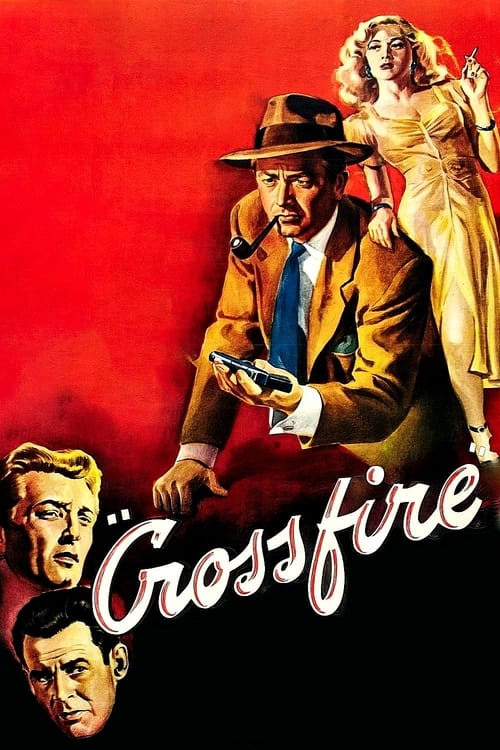
1947
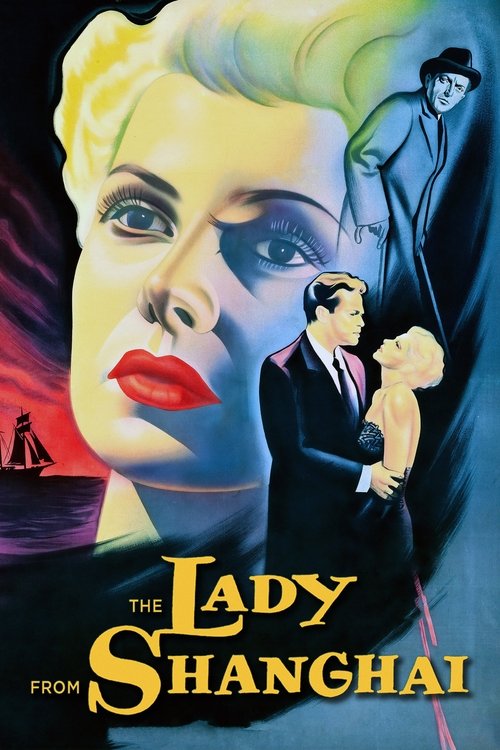
1947
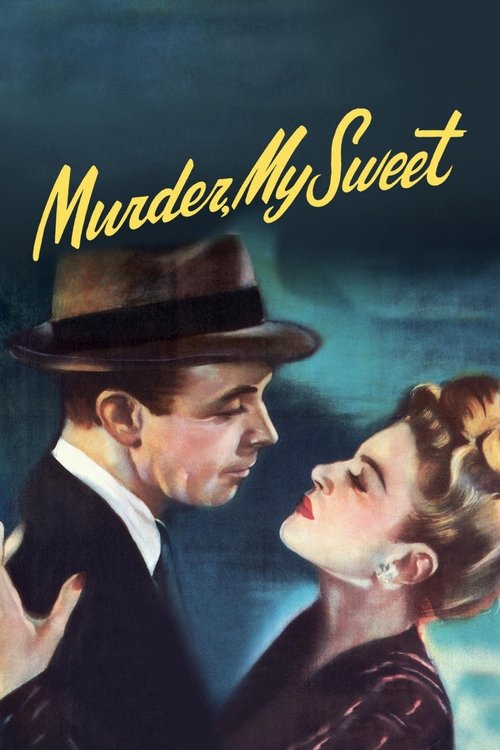
1944
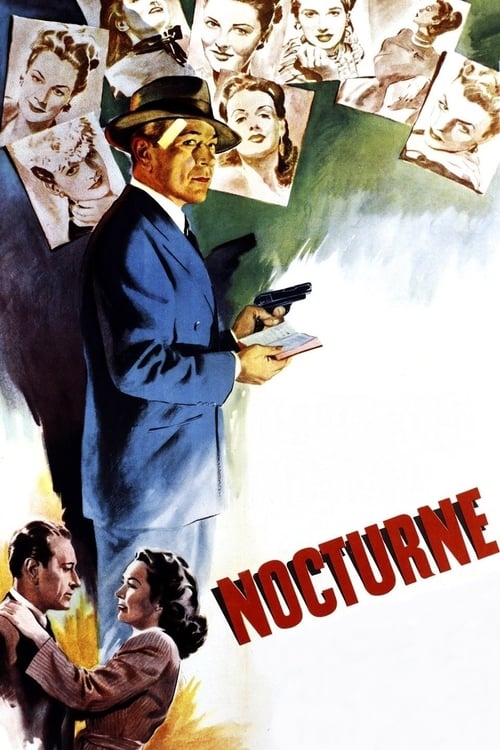
1946
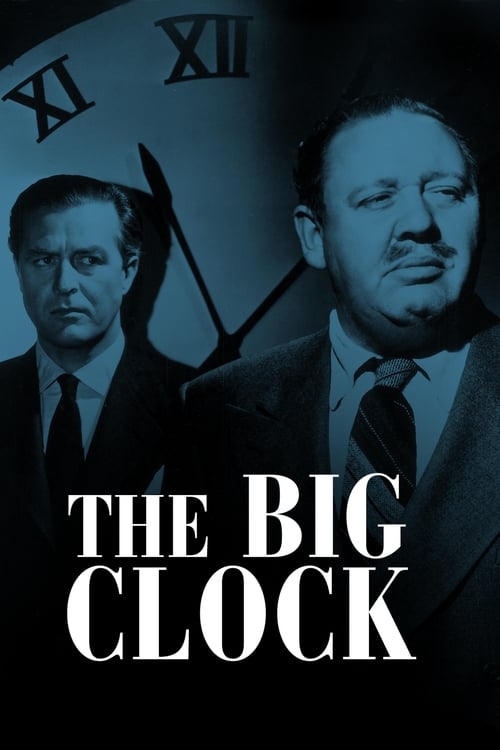
1948
No reviews yet. Be the first to share your thoughts on this movie!
Use the rating form above to leave a star rating and optional review.