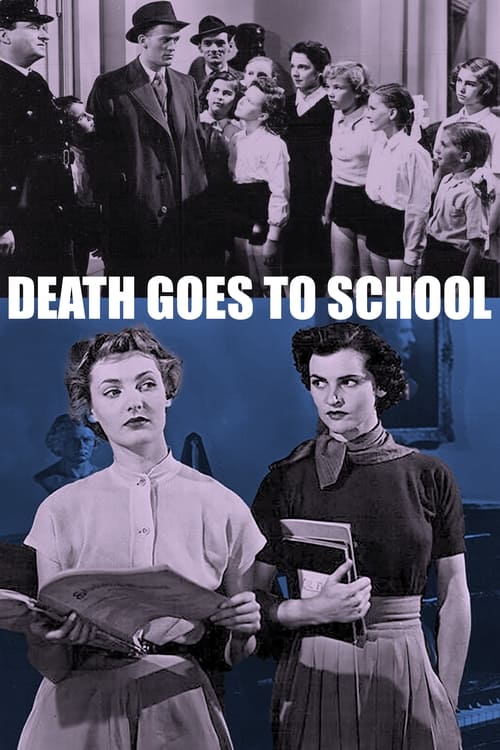
Death Goes to School
1953
No user ratings available yet
Representation score: 1.2 out of 10
Representation Score
Minimal
1953
Not RatedDirector
Charles Saunders
Runtime
58 minutes
Average Rating
No ratings yetNew Showbiz Analysis
Black Orchid is a mid-century British crime drama that adheres closely to the genre conventions of its time. The narrative prioritizes suspense and procedural investigation over exploring diverse identities or social hierarchies. The film focuses on a narrow demographic, depicting a middle-class, Anglo-Saxon society. It reinforces traditional social norms and straight-centered structures, offering limited opportunities for multi-layered complexity or challenging the status quo. Ultimately, the film exemplifies a typical 1950s mystery movie, where character influence is largely gender-based and the social environment remains culturally uniform.
Category Breakdown
The story centers on a heterosexual relationship between a doctor and his sister-in-law. There is no queer subtext or representation of non-cisgender identities.
Female characters play crucial roles in advancing the plot, but they are often portrayed as victims or objects of desire. The male protagonist holds the main position of influence.
The film portrays a homogeneous Anglo-Saxon community typical of mid-century British productions. There is no evidence of non-white actors or diverse cultural perspectives.
The plot upholds traditional Western social norms and mid-century values related to marriage and justice. It relies on established social roles to resolve conflicts.
The narrative does not include any characters with physical, sensory, or neurodivergent disabilities.
Present on Screen
Limited or Absent
Official Synopsis
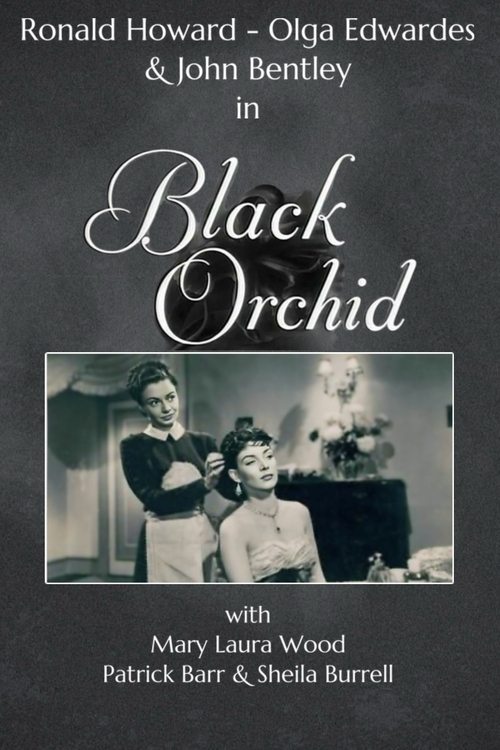
Caught in a loveless marriage, Dr. John Winnington (Ronald Howard) can't stop himself from falling for his wife's (Mary Laura Wood) younger sister, Christine (Olga Edwardes). But when he suddenly becomes the prime suspect in his wife's tragic murder, John relies on his friend Eric (John Bentley) to clear his name. This classic murder mystery encourages viewers to evaluate all of the clues and guess the killer's identity.
1953

1944
1930
1944
1944
1947
1952
1940
No reviews yet. Be the first to share your thoughts on this movie!
Use the rating form above to leave a star rating and optional review.