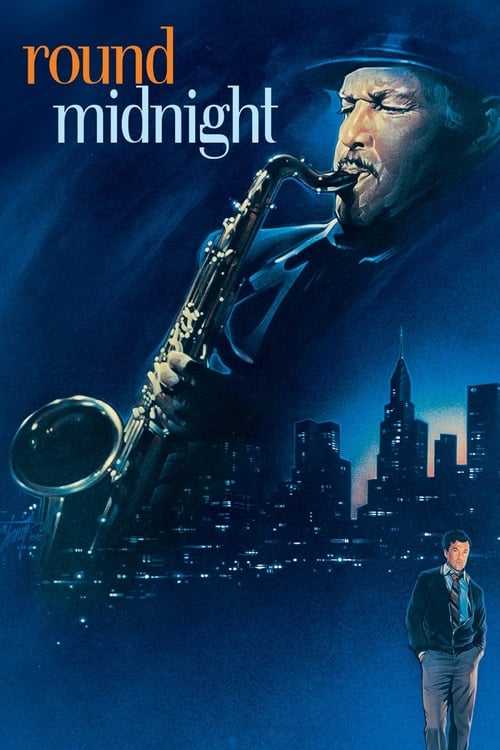
'Round Midnight
1986
No user ratings available yet
Representation score: 5.2 out of 10
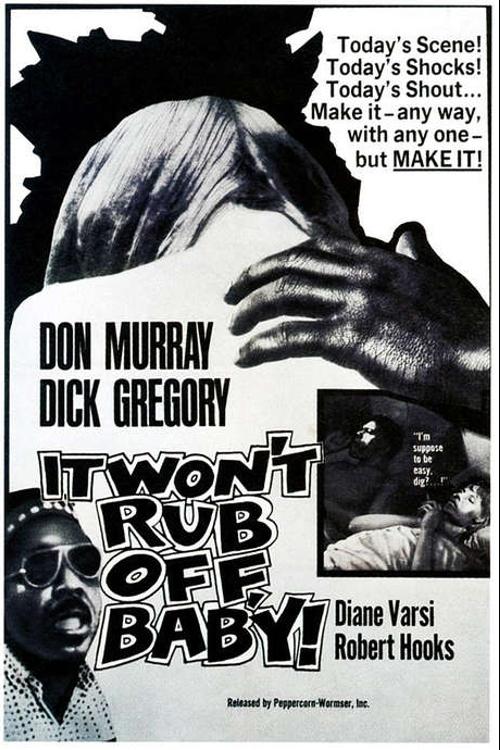
Representation Score
Fair
1967
M/PGDirector
Herbert Danska
Runtime
92 minutes
Average Rating
No ratings yetNew Showbiz Analysis
Sweet Love, Bitter provides a compelling glimpse into the 1960s New York jazz subculture through the lens of racial and socioeconomic tensions. By focusing on a Black musician's journey, the film moves beyond the era's typical homogeneous narratives to explore complex interpersonal dynamics. However, the film's emphasis remains heavily centered on male-driven existentialism. The absence of visible women's ability to drive the story or queer representation indicates a narrative that adheres to traditional gender boundaries despite its progressive racial themes. Ultimately, the film excels as a character study of underrepresented creative expression, even though it leans on conventional clichés of the tortured artist.
Category Breakdown
The film does not include explicit representations of LGBTQ+ identities or non-straight relationships. Although the 1960s jazz scene often challenged social norms, there are no confirmed representations of queer identities.
The story revolves around a male-dominated dynamic between a musician and a professor. It seems to reinforce traditional stereotypes of male existentialism and self-destruction.
The film centers on a Black protagonist, giving him a significant role in driving the story through his music. This focus challenges the era's tendency towards white-centric storytelling by examining racial dynamics through personal connections.
The film critiques established Western intellectual traditions by contrasting the jazz scene with an academic figure. It explores nuanced, potentially nihilistic, views of the human condition and social structures.
There is no depiction of physical or neurodivergent conditions. While the theme of self-destruction might relate to mental health, it is not specifically categorized as disability representation.
Present on Screen
Limited or Absent
Official Synopsis
A loose fictitious of Charlie Parker's last years and a portrait of the jazz scene in 1960's New York. A black jazz musician bent on self destruction forms an odd friendship with a white college professor full of feeling sorry for himself.
1986
1988
1961
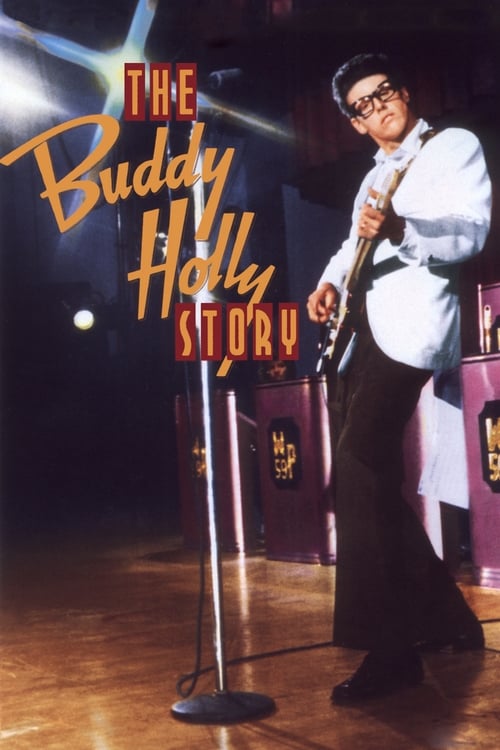
1978
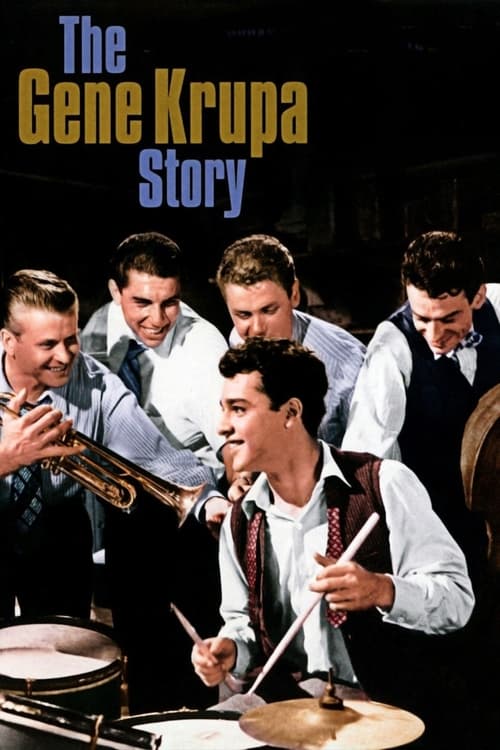
1959
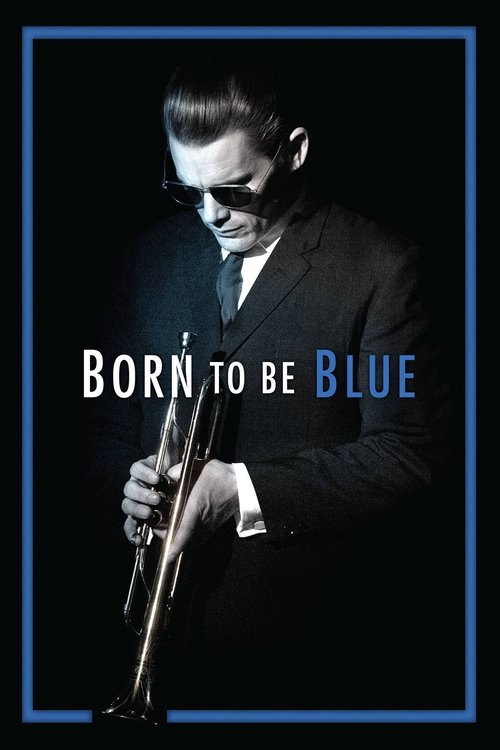
2015
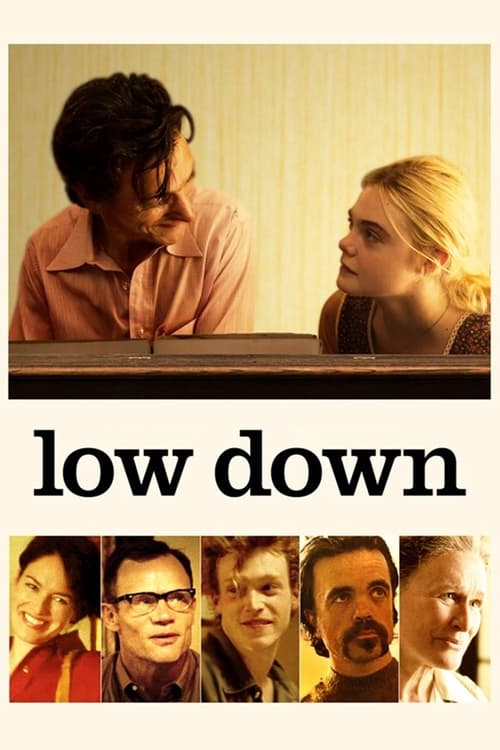
2014
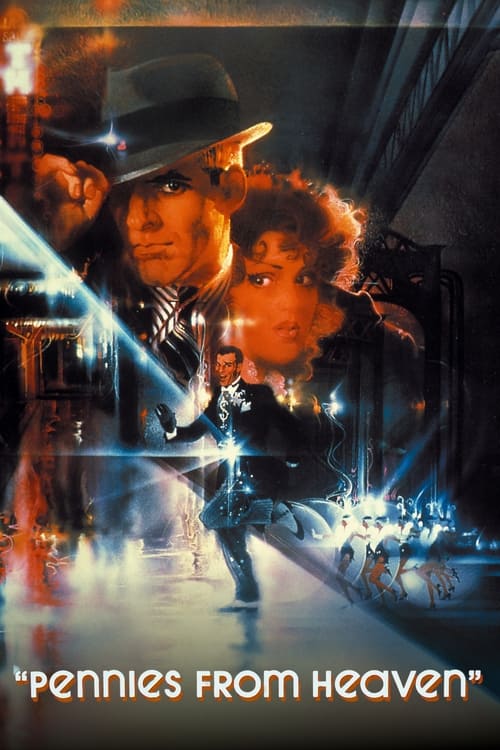
1981
No reviews yet. Be the first to share your thoughts on this movie!
Use the rating form above to leave a star rating and optional review.