The Benny Goodman Story
1956
No user ratings available yet
Representation score: 1.6 out of 10
Representation Score
Minimal
1959
NRDirector
Don Weis
Runtime
101 minutes
Average Rating
No ratings yetNew Showbiz Analysis
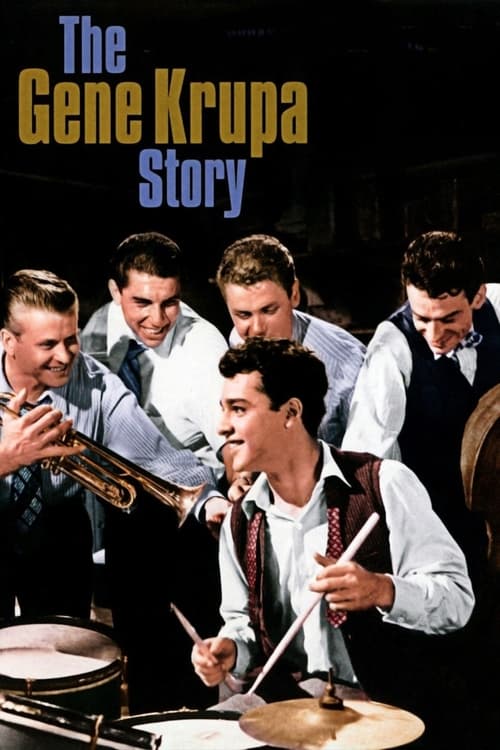
The film adheres to the conventions of the 1959 studio system, focusing on a traditional biographical arc that upholds mid-century cultural norms. It follows a standard redemption narrative that reinforces the cultural norms of the time. While the film centers around jazz, it fails to explore the racial dynamics inherent to the genre. Instead, it focuses on a white protagonist's struggle with fame and substance abuse. Gender roles are traditional, with women playing supportive roles to the male protagonist’s journey. The film operates within the confines of conventional storytelling rather than critiquing systemic issues.
Category Breakdown
The film does not include any identifiable LGBTQ+ characters. The romantic storyline focuses solely on the heterosexual relationship between Gene and Ethel.
Female characters such as Ethel serve mainly as catalysts or moral guides for the protagonist. Although Ethel leaves Gene, showing a degree of independence, her role remains closely tied to the protagonist's development.
The cast is predominantly white, adhering to the production standards of 1959. Despite its jazz setting, the film overlooks the genre's African American roots and focuses entirely on the white experience.
The story delves into the tension between religious obligations and secular ambitions. It concludes with a traditional framework emphasizing personal redemption and individual accountability.
The film does not depict any significant physical or neurodivergent disabilities. The protagonist's addiction is portrayed as a moral and behavioral issue rather than a clinical condition.
Present on Screen
Limited or Absent
Official Synopsis
The story of legendary jazz drummer, Gene Krupa. Since his youth, all Gene ever wanted to do is play the drums and make music. This is something his parents would not approve of- they want him to be a priest. When Gene's father dies he promises to enter the priesthood. He soon realizes that he doesn't belong there and leaves to join his friend, Eddie's band. Ethel, Eddie's girlfriend, convinces Gene to go to New York and make it big. The 3 of them head to New York. Here Ethel and Gene soon fall in love and Gene makes a name for himself. Gene starts to live in the fast lane, with drugs, alcohol, women and parties. Ethel, unhappy with Gene's lifestyle, leaves him. Gene soon "hits rock bottom" where he has to face reality and choose where to take his life.
1956
1978
1946
1958
1957

1954
1950
1986
No reviews yet. Be the first to share your thoughts on this movie!
Use the rating form above to leave a star rating and optional review.