Bird
1988
No user ratings available yet
Representation score: 5.6 out of 10
Representation Score
Good
2015
RDirector
Robert Budreau
Runtime
97 minutes
Average Rating
No ratings yetNew Showbiz Analysis
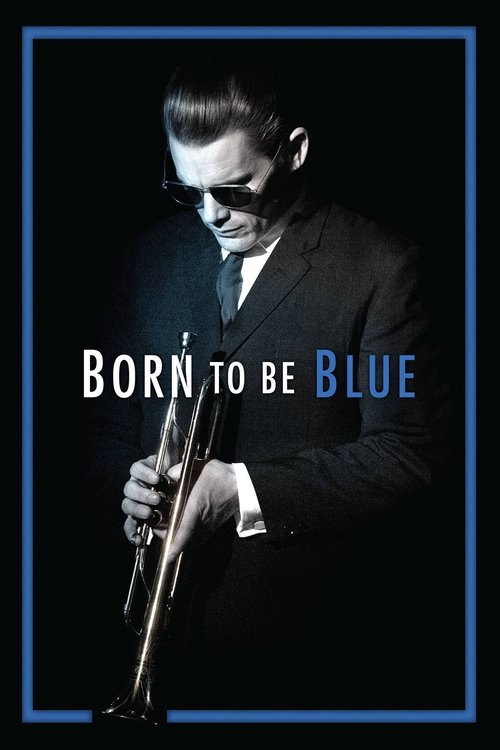
Born to Be Blue is a somber, impressionistic character study that prioritizes psychological realism over traditional biopic clichés. It deconstructs the 'musical hero' through a non-linear lens, offering a sophisticated look at the friction between art and industry. However, the film's diversity is limited by its narrow focus on a single male trajectory. While it captures the racial textures of the jazz scene and provides a raw look at addiction, it lacks explicit perspectives that reflect multiple aspects of identity or queer critiques. Ultimately, the film's strength lies in its moral complexity and its refusal to provide easy answers, even as it remains largely anchored to conventional romantic and gendered structures.
Category Breakdown
The film primarily focuses on heterosexual relationships. While it delves into the emotional volatility of the jazz subculture, it does not explicitly address LGBTQ+ identities or critiques from queer perspectives.
Women in the story play significant roles in driving the narrative and serve as grounding forces. However, the narrative often defines women through the male protagonist's instability.
The 1950s jazz setting captures the era's integrated, diverse textures. While the plot follows a white protagonist, it engages with the period's cultural melting pot.
The film critiques the commodification of talent and the tension between artists and traditional institutions. It favors a fragmented exploration of morality over singular lessons.
Addiction is portrayed as a debilitating condition rather than something to be romanticized. The film focuses on the loss of control and the psychological toll of substance abuse.
Present on Screen
Limited or Absent
Official Synopsis
Jazz legend Chet Baker finds love and redemption when he stars in a movie about his own troubled life to mount a comeback.
1988
2015
2016

2004
2014
1986
2013
2019
No reviews yet. Be the first to share your thoughts on this movie!
Use the rating form above to leave a star rating and optional review.