
Mr. Rock n Roll: The Alan Freed Story
1999
No user ratings available yet
Representation score: 3.1 out of 10
Representation Score
Minimal
1978
PGDirector
Steve Rash
Runtime
114 minutes
Average Rating
No ratings yetNew Showbiz Analysis
The film presents a traditional biographical drama focused on recreating history rather than challenging social norms. It captures the musical evolution of the era but stays rooted in the social hierarchies of the time. Although the film lacks diversity in its cast and character identities, it does highlight the racialized boundaries of the 1950s music industry. This is most evident in the Apollo Theater sequence. Ultimately, the film reinforces traditional gender roles and Western cultural norms. It serves more as a nostalgic look at mid-century professional life than a critique of the era’s social constraints.
Category Breakdown
The film follows strict 1950s conventions and does not depict any non-straight or non-cisgender identities or intimate relationships between people of the same sex.
The story focuses mainly on male characters and their professional goals. Female characters, such as Mary Lou, play significant roles through their relationships with the main character.
The film portrays a primarily white musical world. However, it highlights the racial tensions of the time through the Apollo Theater scene, where the band is misidentified based on race.
The story celebrates the musical development of mid-century America and upholds traditional values like the nuclear family and professional success within established industry norms.
There are no prominent depictions of disabilities, visible or invisible, that significantly influence the story or give characters real power.
Present on Screen
Limited or Absent
Official Synopsis
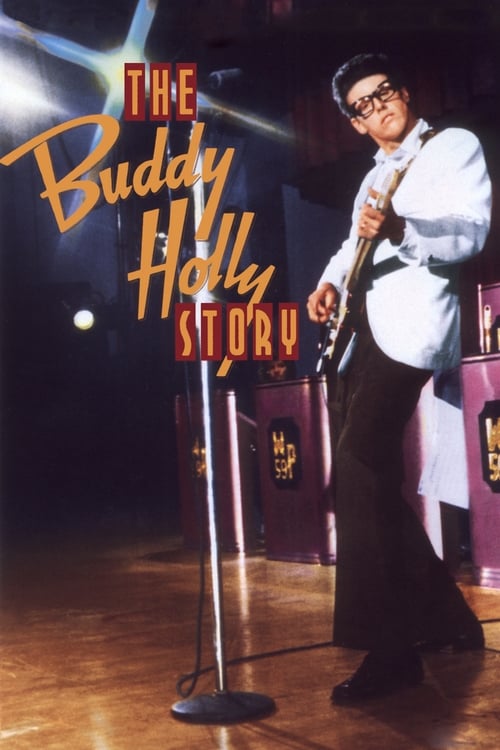
A chronicle of the rise and brief career of rock 'n' roll star Buddy Holly, who aspires to play music the way he wants it to sound. Holly and his band, the Crickets, are first invited to record in Nashville, where they encounter creative differences with the producing staff. Later they play a major booking at the Apollo Theater, scheduled there under the mistaken assumption that they're a black band. Holly's career eventually goes solo -- until the tragic day the music dies.
1999
1994
1979
1958
1991
1972
1959
1987
No reviews yet. Be the first to share your thoughts on this movie!
Use the rating form above to leave a star rating and optional review.