Sweet Love, Bitter
1967
No user ratings available yet
Representation score: 5.4 out of 10
Representation Score
Limited
1961
NRDirector
John Cassavetes
Runtime
103 minutes
Average Rating
No ratings yetNew Showbiz Analysis
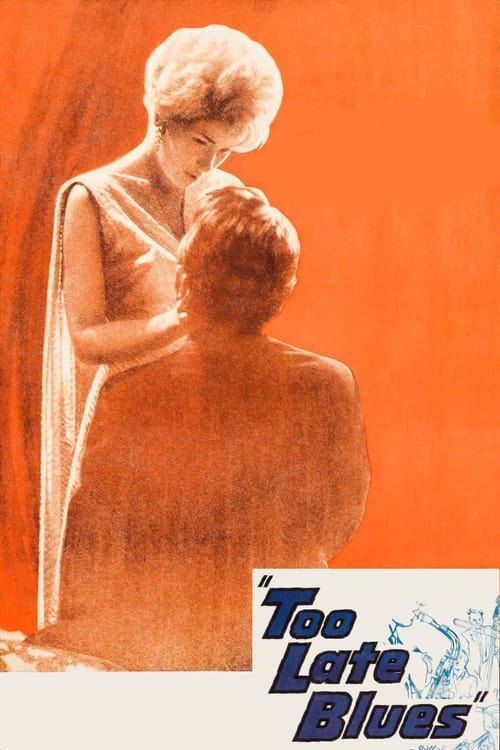
Too Late Blues stands out for its commitment to raw emotional realism and its centering of Black musicians within the New York jazz scene. By granting these characters creative ability to act, the film avoids the homogeneous casting common in 1961. However, the film remains limited in its scope of identity. It offers no engagement with LGBTQ+ narratives or disability representation, and its exploration of gender focuses more on the fragility of masculinity than on systemic disruption. Ultimately, the film is a nuanced character study that succeeds in portraying underrepresented creative spaces while remaining tethered to traditional interpersonal dynamics.
Category Breakdown
The film focuses exclusively on the interpersonal tension between the male protagonist and a female counterpart. It lacks any presence of non-binary or transgender identities.
The narrative explores the fragility of traditional masculinity through the protagonist's emotional volatility. However, the female lead serves primarily as a catalyst for his conflict rather than an independent agent.
The film centers the jazz subculture by providing significant representation of Black musicians. These characters have creative ability to act and professional depth that moves beyond mere including someone from a minority group without giving them real depth.
The story prioritizes artistic integrity over capitalist success, following a protagonist who resists commercializing his music. It functions as a localized character study rather than a systemic critique.
There are no prominent depictions of physical or neurodivergent disabilities that drive the narrative forward.
Present on Screen
Limited or Absent
Official Synopsis
Ghost is an ideological musician and leader of a jazz band who would rather play his blues in the park to the birds than compromise himself. His peripatetic performances lead him to cross paths with a singer, while his masculinity is thrown into question following a violent brawl.
1967
1986

1957
1960

1980

1958
1946
1972
No reviews yet. Be the first to share your thoughts on this movie!
Use the rating form above to leave a star rating and optional review.