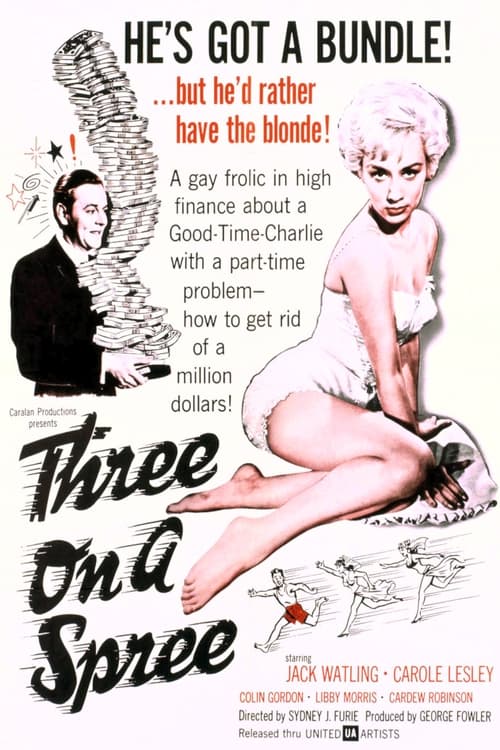
Three on a Spree
1961
No user ratings available yet
Representation score: 0.3 out of 10
Representation Score
Minimal
1962
Director
Robert Asher
Runtime
89 minutes
Average Rating
No ratings yetNew Showbiz Analysis
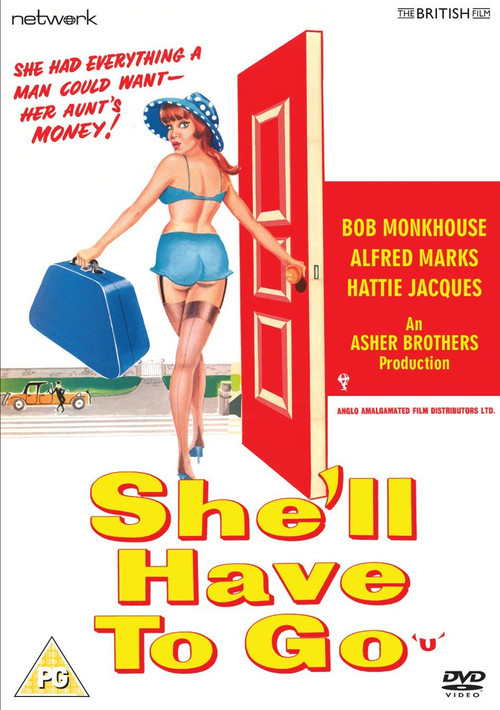
She'll Have to Go is a quintessential mid-century British farce that focuses on situational comedy rather than social exploration. The narrative operates within a rigid framework of traditional hierarchies, emphasizing class-based clichés and inheritance disputes. The film lacks depth in reflecting multiple aspects of identity, presenting a homogeneous view of society that aligns with the era's cultural norms. It reinforces existing social structures without challenging or critiquing them. Overall, the work serves as a period piece that upholds a standard social order, offering minimal representation for underrepresented groups or diverse perspectives.
Category Breakdown
The film follows strict conventions that assume everyone is straight and cisgender. There are no representations of LGBTQ+ identities or same-sex relationships.
The male characters drive the main conflicts and play key roles in the story. Female characters like Toni mainly serve as catalysts for male-driven plots rather than having independent ability to act.
The film is set in a homogeneous, Anglo-Saxon environment with no racial diversity. It does not explore multicultural perspectives.
The story emphasizes traditional Western social structures and class-based hierarchies. It uses the nuclear family and inheritance disputes as foundational comedic elements.
Characters are shown within typical physical and neurotypical norms. There are no visible or invisible disabilities represented with significant roles.
Present on Screen
Limited or Absent
Official Synopsis
When Francis and Douglas Oberon learn that their late grandmother has bequeathed the family fortune to distant cousin Toni, they immediately start plotting to get their hands on the money. They dream up a plot whereby they cannot fail to acquire a comfortable future; the lovely Toni must either be murdered, or married...
1961
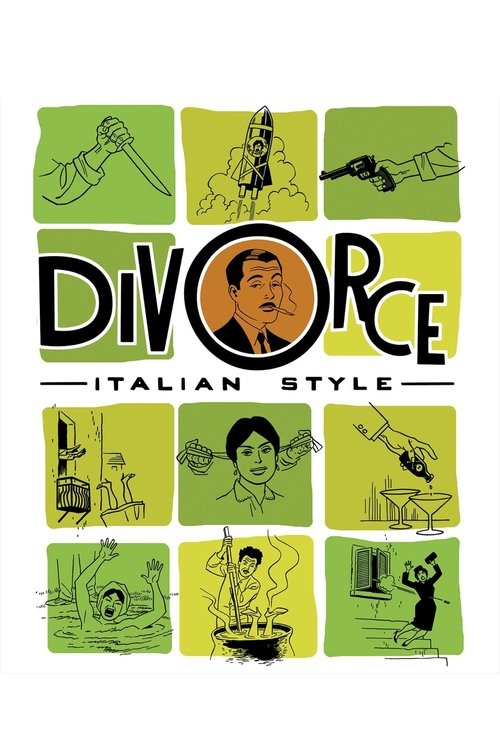
1961

1959
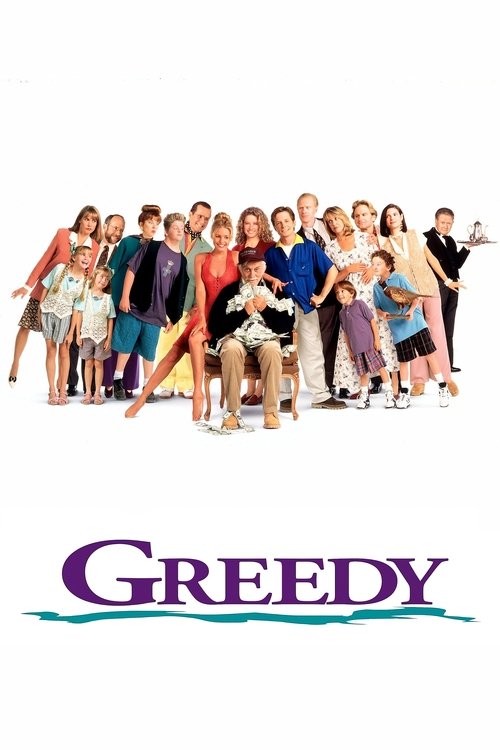
1994
1969

2026
1970

2003
No reviews yet. Be the first to share your thoughts on this movie!
Use the rating form above to leave a star rating and optional review.