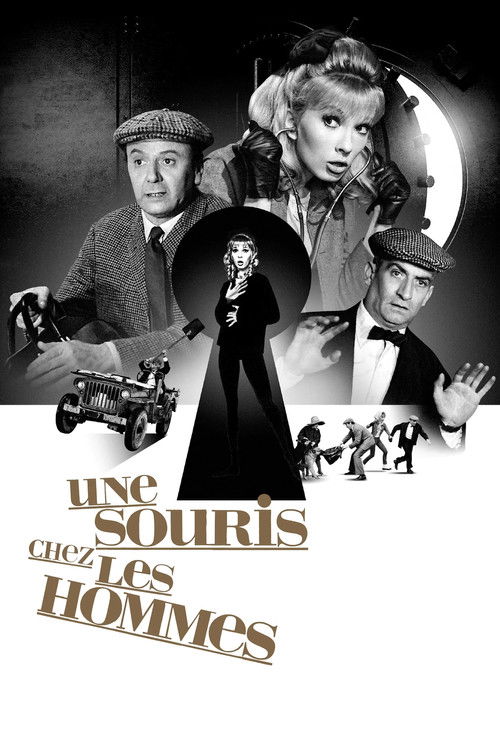
A Mouse with the Men
1964
No user ratings available yet
Diversity score: 2.9 out of 10

1958
Director
John Paddy Carstairs
Runtime
86 minutes
Average Rating
No ratings yetSynopsis
Petty thief Willie Frith steals a suitcase full of bank notes, only to find out that they have been given all the same serial number. But this is only the start of his troubles, now he has to find a way of changing the notes, so he can impress the barmaid of his local pub.
Overall Score
Limited
Category Breakdown
LGBTQ+ Representation
The film focuses on a heteronormative romantic pursuit. The protagonist's primary motivation is to impress a local barmaid, offering no visibility for non-cisnormative identities.
Gender Representation
Gender roles follow traditional 1950s patterns. The male protagonist drives the plot through his actions, while the female character serves as a passive object of desire.
Racial & Ethnic Diversity
The setting suggests a demographic homogeneity typical of mid-century British cinema. The narrative appears to reflect an Anglo-centric depiction of local social life.
Religious & Cultural Diversity
The story centers on individualistic pursuits and local pub culture. It reinforces traditional community structures rather than critiquing systemic social or economic hierarchies.
Disability Representation
There is no evidence of characters with visible or invisible disabilities within the narrative.
Strengths
Areas for Improvement
AI Analysis
The Big Money is a product of its era, functioning as a conventional character comedy that adheres to the social hierarchies of 1950s Britain. The narrative structure prioritizes established tropes, such as the male-driven plot and the pursuit of romantic validation through material success. Representation is limited by the film's focus on a localized, likely homogenous social setting. The characters operate within a traditional moral framework that reinforces existing social norms rather than challenging them. Ultimately, the film lacks intersectional depth, favoring a standard comedic framework that centers on a singular, heteronormative perspective.
1964

1944
1956
1954
1942
1928
1973
1967

1975

1960

1933
1968
No reviews yet. Be the first to share your thoughts on this movie!
Use the rating form above to leave a star rating and optional review.