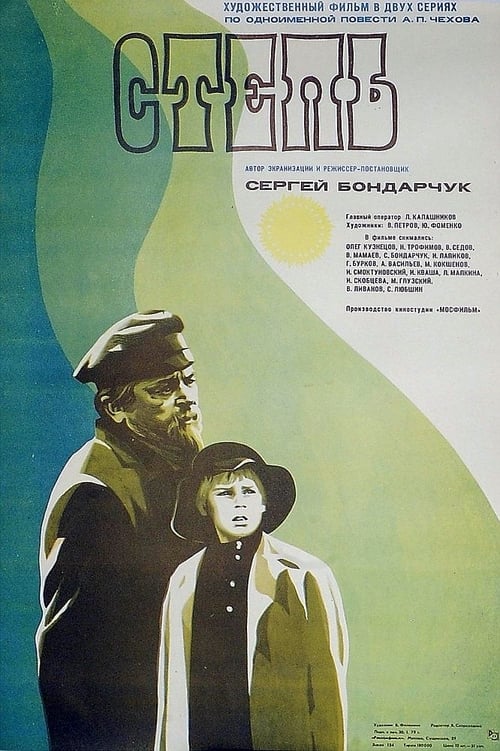
The Steppe
1978
No user ratings available yet
Representation score: 1.8 out of 10
Representation Score
Fair
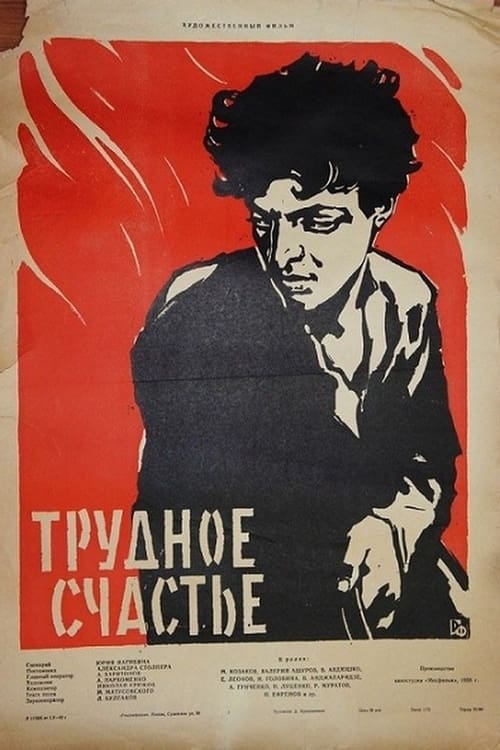
1958
Director
Aleksandr Stolper
Runtime
104 minutes
Average Rating
No ratings yetNew Showbiz Analysis
Aleksandr Stolper’s drama distinguishes itself through its ethnic focus, centering a Romani boy amidst the chaos of the Russian Civil War. This provides a rare departure from the mono-ethnic perspectives often found in period pieces of this era. However, the film remains constrained by the social norms of 1958. The narrative appears to prioritize traditional gender roles and lacks any visible LGBTQ+ representation or depictions of disability. While the protagonist's identity offers significant cultural depth, the overall diversity is limited by the era's focus on communal survival and standard social hierarchies.
Category Breakdown
The film does not include any LGBTQ+ characters or narratives. Given the 1958 Soviet context and the Civil War setting, the story focuses on traditional social structures and communal survival.
The film centers on a young boy's coming-of-age during wartime. The narrative likely emphasizes traditional gendered roles of labor and protection common to the period.
The film stands out by centering a Romani protagonist within a Russian village. This choice disrupts the homogeneous depictions of rural life typical of mid-century dramas.
The story explores systemic upheaval and the deconstruction of stability during the Civil War. It views traditional institutions through a lens of radical political transition.
There is no documented evidence regarding the portrayal of physical or neurodivergent disabilities in this work.
Present on Screen
Limited or Absent
Official Synopsis
A young Gipsy boy is growing up in a Russian village during the Civil War.
1978
1948
1981

1964

1987
1967
1977
1990
No reviews yet. Be the first to share your thoughts on this movie!
Use the rating form above to leave a star rating and optional review.