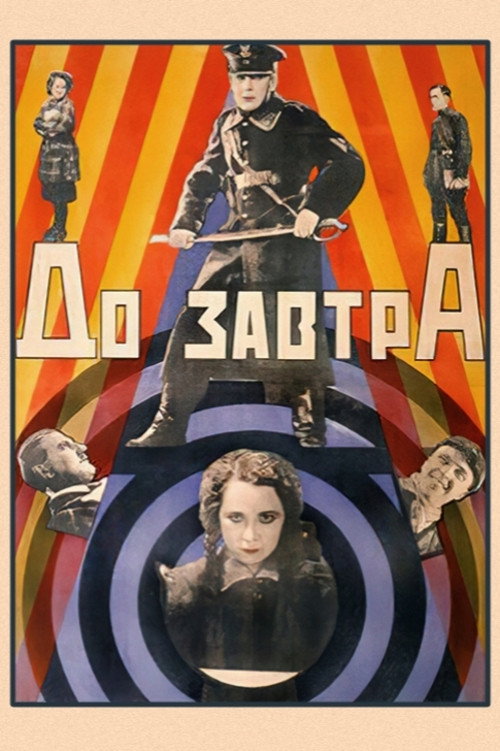
Till Tomorrow
1929
No user ratings available yet
Representation score: 7.0 out of 10
Representation Score
Limited
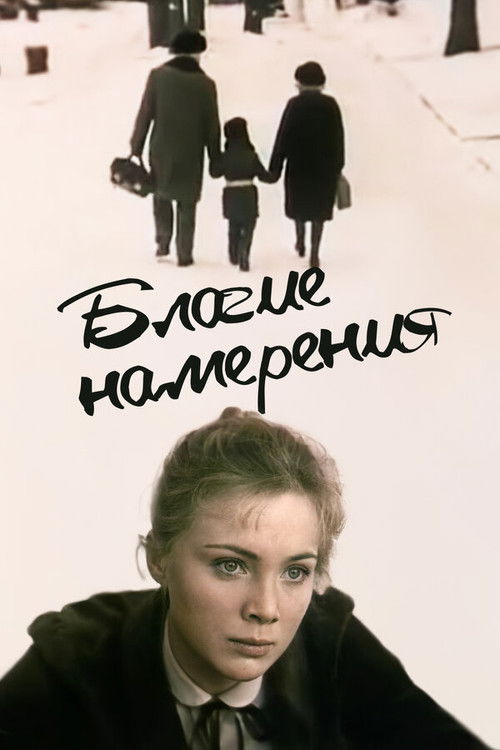
1984
Director
Andrei Benkendorf
Runtime
82 minutes
Average Rating
No ratings yetNew Showbiz Analysis
Good Intentions is a character-driven drama centered on a young woman entering the social welfare system. The film provides a platform for female-led storytelling but operates primarily as a conventional social drama. The narrative lacks evidence of multi-layered complexity or identity-driven subversion. While the protagonist offers a female perspective, the broader scope of representation remains limited to traditional institutional structures. Ultimately, the film does not appear to disrupt established hierarchies, focusing instead on the complexities of caretaking within a specific Soviet-era dramatic framework.
Category Breakdown
The film does not include any characters or narratives related to LGBTQ+ identities or non-cisgender experiences.
The story focuses on the female protagonist, Nadezhda, and her role in driving the narrative. However, it is unclear whether the film challenges or upholds traditional gender roles.
The film appears to depict a homogeneous ethnic demographic and follows traditional regional norms without clear multi-layered blending.
The orphanage setting places the story within state-run social institutions. It is unclear if the film adopts a secular or traditional moral framework.
While orphanages involve vulnerable populations, there is no specific evidence of the portrayal of physical disabilities or neurodivergence.
Present on Screen
Limited or Absent
Official Synopsis
Young Nadezhda after graduating college starts working in the orphanage.
1929
1986
1992
1980
1957

2016

1994

1968
No reviews yet. Be the first to share your thoughts on this movie!
Use the rating form above to leave a star rating and optional review.