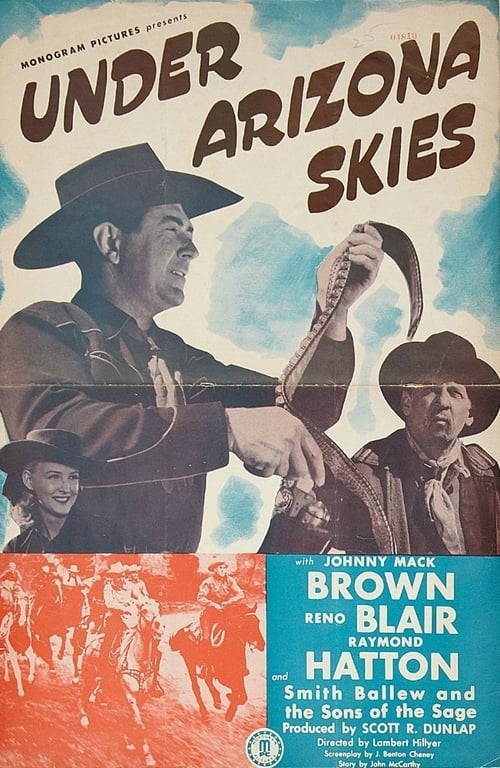
Under Arizona Skies
1946
No user ratings available yet
Representation score: 0.6 out of 10
Representation Score
Minimal
1943
ApprovedDirector
Joseph Henabery
Runtime
68 minutes
Average Rating
No ratings yetNew Showbiz Analysis
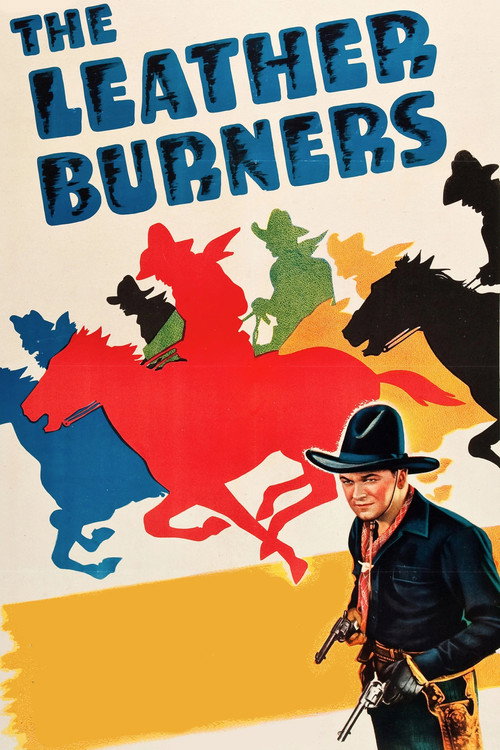
Leather Burners is a quintessential mid-century Western that adheres strictly to the genre conventions of 1943. The story focuses on a linear conflict involving cattle theft and male-driven heroism, offering little in the way of social subversion. The film operates within the traditional social hierarchies of its era. It lacks intentionality regarding the representation of diverse identities, instead prioritizing established clichés of individual heroism and property rights. Ultimately, the work serves as a standard example of studio-era filmmaking. It reinforces conventional expectations of gender and race rather than challenging them.
Category Breakdown
The film follows a standard Western plot focused on cattle rustling. There is no indication of non-traditional gender identities or narratives that question the assumption that everyone is straight or cisgender.
The story centers around male protagonists and antagonists. The plot is driven by male characters taking action, focusing on themes of friendship and physical confrontations.
The film reflects the era's standard casting practices. The focus remains on a localized conflict typical of the genre's traditional demographic focus.
The film adheres to traditional Western clichés regarding justice and property. It reinforces rather than deconstructs traditional Western archetypes.
The narrative contains no mention of characters with visible or invisible disabilities. No assessment can be made regarding neurodivergence or physical disability.
Present on Screen
Limited or Absent
Official Synopsis
As rustled cattle have mysteriously disappeared, Johnny sends for his friend Hoppy, Hoppy arrives and immediately suspects Dan Slack. Realizing his telegram about Slack was intercepted, he locks up the operator Lafe knowing he can escape. Tailing Lafe he finds a secret entrance to a mine and inside finds the missing cattle. But Slack's men also find him just as the cattle are stampeded through the mine shaft.
1946
1944
1942
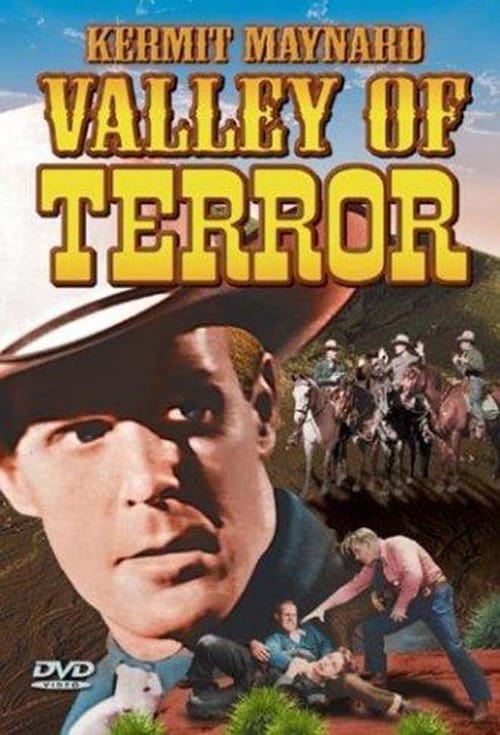
1937

1948
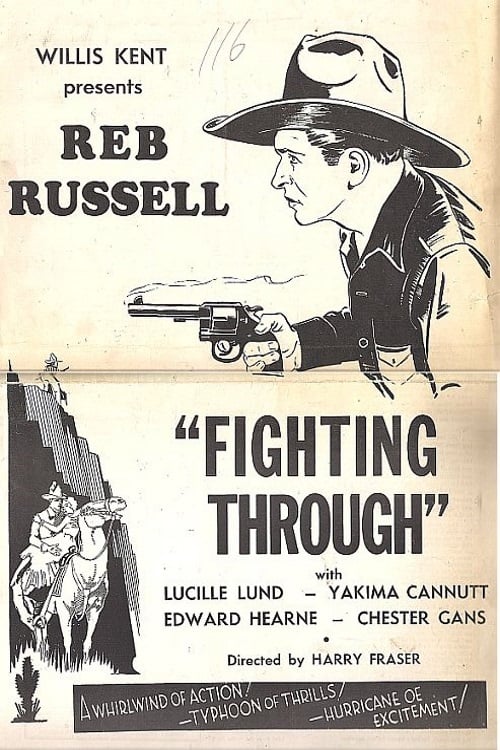
1934
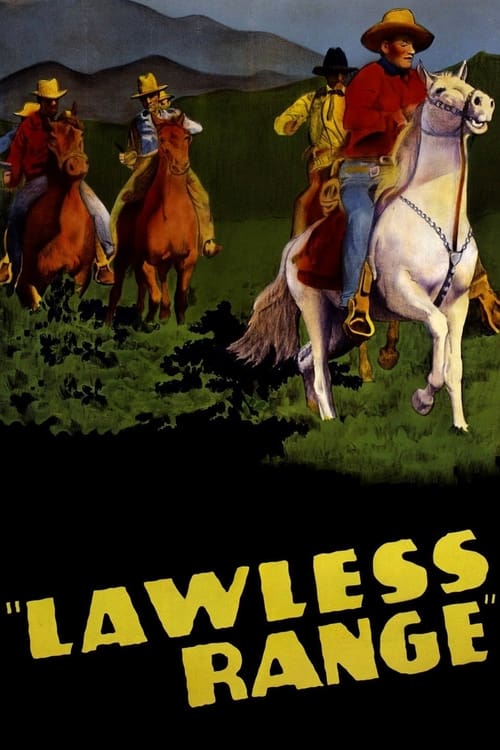
1935
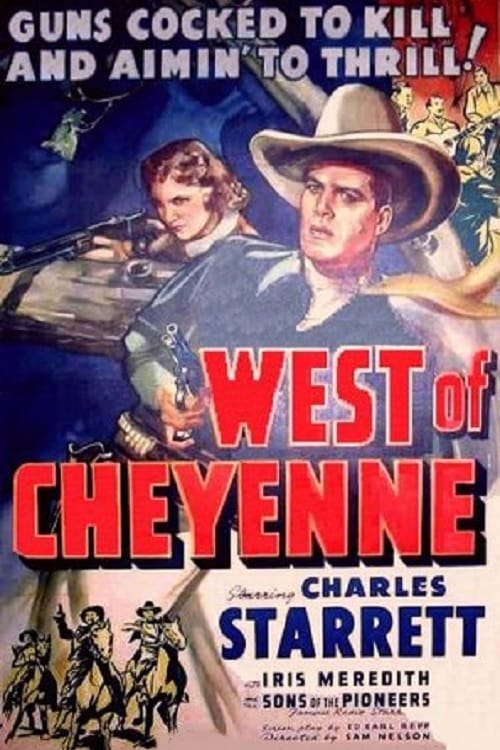
1938
No reviews yet. Be the first to share your thoughts on this movie!
Use the rating form above to leave a star rating and optional review.