
Sailors, Beware!
1927
No user ratings available yet
Representation score: 1.6 out of 10
Representation Score
Minimal
1927
PassedDirector
Fred Guiol
Runtime
20 minutes
Average Rating
No ratings yetNew Showbiz Analysis
This 1927 silent comedy relies on established slapstick archetypes. While it includes gender non-conformity through the protagonist's disguise, this is used for situational humor rather than meaningful representation. The film lacks racial and cultural diversity, sticking to the homogeneous casting and Western-centric storytelling common in early 20th-century American cinema. It operates as a standard character-driven comedy without challenging social norms. Ultimately, the work upholds traditional hierarchies. Humor is derived from deception and physical comedy rather than any attempt to disrupt identity-based narratives.
Category Breakdown
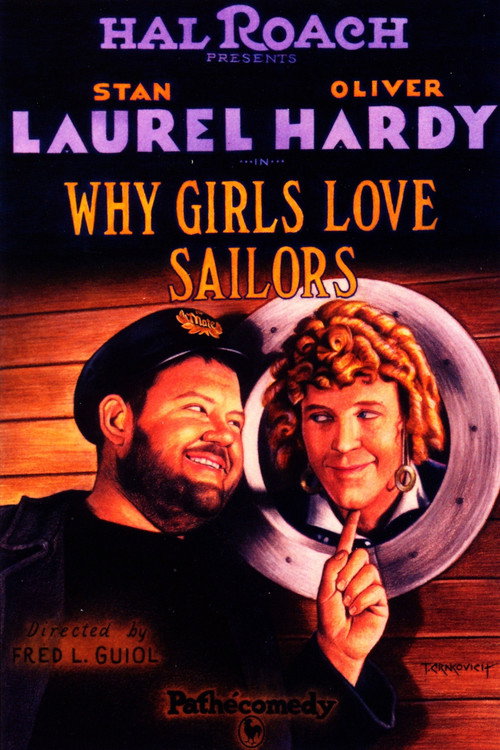
The film uses drag as a comedic device. Stan's use of female attire is for deception rather than exploring queer identity.
Gender roles follow traditional patterns. The protagonist briefly disrupts masculine dominance by dressing as a woman, but the ending reinforces conventional roles through the captain and his wife.
The film seems to adhere to the homogeneous casting standards of 1927. There is no indication of non-white or non-Anglo-Saxon representation.
The story follows typical Western comedic structures centered on personal romantic conflicts. It does not critique broader social, religious, or institutional frameworks.
There are no visible depictions of characters with physical or neurodivergent disabilities in the narrative.
Present on Screen
Limited or Absent
Official Synopsis
Stan is a sailor whose girl gets kidnapped by a rough sea captain. Stan dresses in drag and seduces the captain but the captain's wife catches him. Stan and his girl beat a hasty retreat as the captain's wife fires off a parting shot.
1927

1940

1916

1926

1961

1933

1917

1926
No reviews yet. Be the first to share your thoughts on this movie!
Use the rating form above to leave a star rating and optional review.