King Solomon's Mines
1937
No user ratings available yet
Representation score: 1.5 out of 10
Representation Score
Minimal
1937
PassedDirector
Ernest B. Schoedsack
Runtime
62 minutes
Average Rating
No ratings yetNew Showbiz Analysis
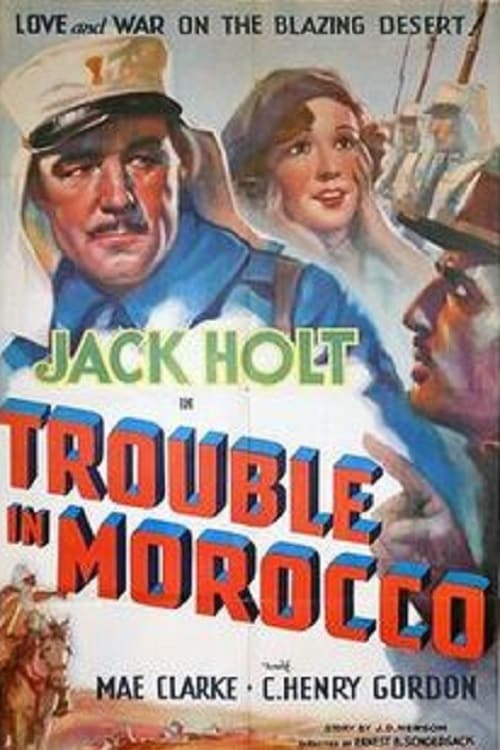
Trouble in Morocco serves as a historical document of 1930s ethnographic travelogues. While it provides significant visibility to North African people and customs, it does so through a colonial-era lens that prioritizes exoticism over individual complexity. The film lacks intentionality in challenging systemic hierarchies. It functions more as a Western observation of 'other' cultures for consumption rather than a nuanced exploration of Moroccan identity or social dynamics. Ultimately, the production reflects the era's Western-centric worldview, offering visual diversity without the depth or character complexity needed for a modern progressive narrative.
Category Breakdown
The film focuses on traditional Moroccan life and does not include any LGBTQ+ characters or narratives about non-assuming gender matches what was assigned at birth identities.
Gender roles adhere to 1930s social norms, maintaining a divide between domestic and public spheres. Women are portrayed within the traditional roles of the time without challenging these hierarchies.
The film features a non-white, North African cast. However, the representation is viewed through a Western perspective that emphasizes exoticism over the complexity of individual lives.
Islamic customs and North African social structures are observed. The film presents a traditional Western perspective without engaging with post-colonial themes or internal critiques.
There are no specific depictions of visible or invisible disabilities that play a central role in the narrative or character development.
Present on Screen
Limited or Absent
Official Synopsis
A newspaperman Paul Cluett (Jack Holt) gets rival reporter Linda Lawrence (Mae Clark) to admit that she is investigating a story in Morocco that guns are being smuggled illegally.
1937
1949
1949
1954
1956
1926
1951
1936
No reviews yet. Be the first to share your thoughts on this movie!
Use the rating form above to leave a star rating and optional review.