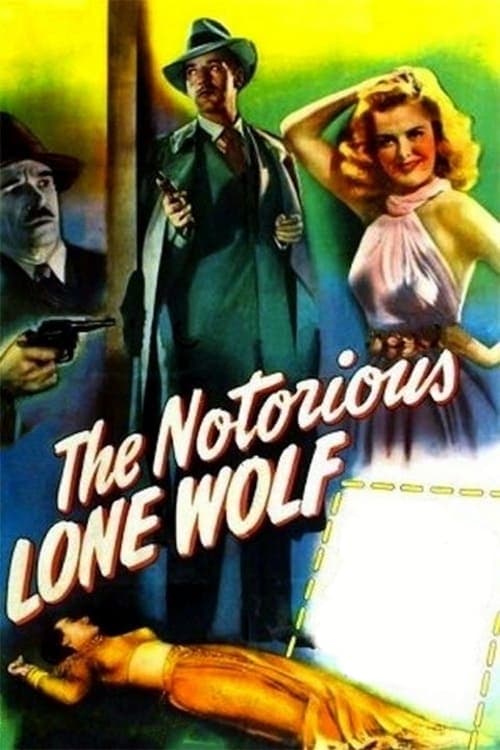
The Notorious Lone Wolf
1946
No user ratings available yet
Representation score: 1.9 out of 10
Representation Score
Minimal
1951
ApprovedDirector
Ray Nazarro
Runtime
68 minutes
Average Rating
No ratings yetNew Showbiz Analysis
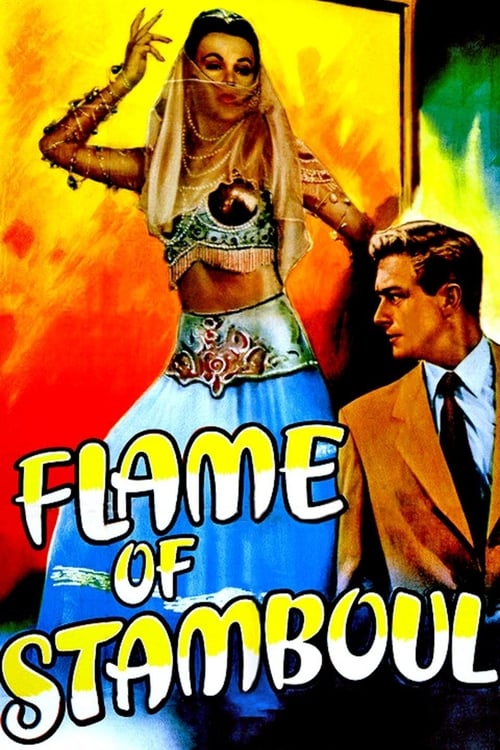
Flame of Stamboul is a quintessential mid-century thriller that prioritizes traditional narrative structures. The film relies heavily on established genre clichés, centering the story on a Western male protagonist navigating an exoticized landscape. The representation of gender and culture reflects the era's social hierarchies. While the setting provides a non-Western backdrop, the perspective remains firmly rooted in Western-centric adventure and heterosexual romance. Ultimately, the film functions as a standard espionage adventure. It reinforces the stability of the Western hero's moral compass without challenging the social or cultural status quo of the 1950s.
Category Breakdown
The film adheres to mid-century conventions, focusing on a heterosexual romantic subplot. There is no indication of queer-coded subtext or non-cisgender identities.
The story centers around a male protagonist who drives the action. The female lead is often a catalyst for the hero rather than an independent character.
The film creates an exotic atmosphere using a Middle Eastern setting. It leans towards Orientalist clichés and a Western-centric viewpoint.
The story emphasizes Western adventure clichés and the competence of a Western protagonist. It upholds traditional institutional norms without questioning them.
There are no characters with visible or invisible disabilities portrayed with significant control over their actions.
Present on Screen
Limited or Absent
Official Synopsis
An American agent working undercover as a cafe pianist in Cairo sets out to capture a notorious spy and jewel thief known as "The Voice".
1946
1966

1947
1937
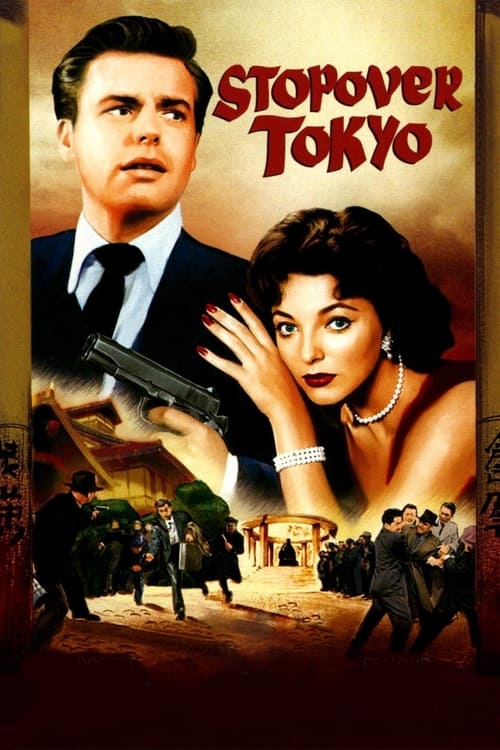
1957
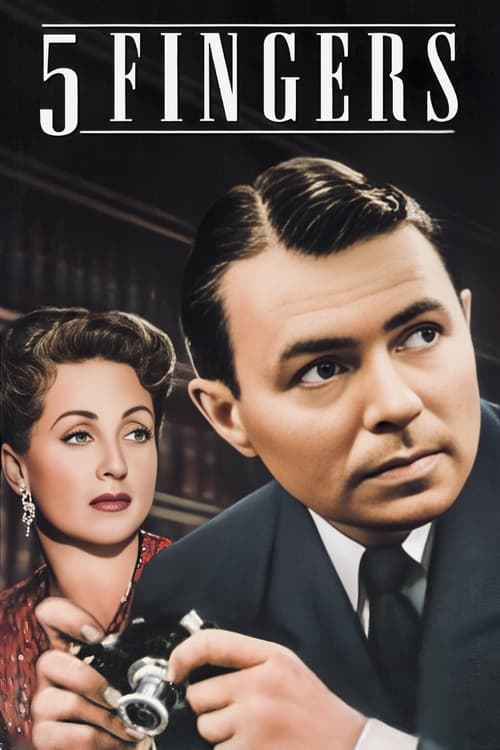
1952
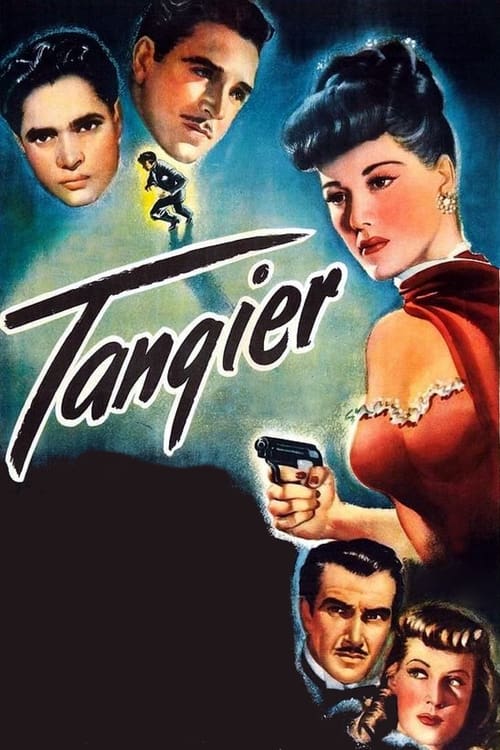
1946
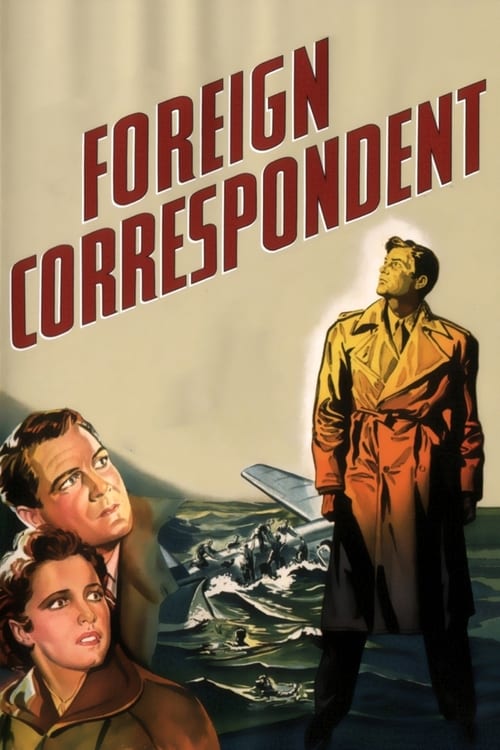
1940
No reviews yet. Be the first to share your thoughts on this movie!
Use the rating form above to leave a star rating and optional review.