The House on 92nd Street
1945
No user ratings available yet
Representation score: 0.3 out of 10
Representation Score
Minimal
1952
ApprovedDirector
Edward Ludwig
Runtime
90 minutes
Average Rating
No ratings yetNew Showbiz Analysis
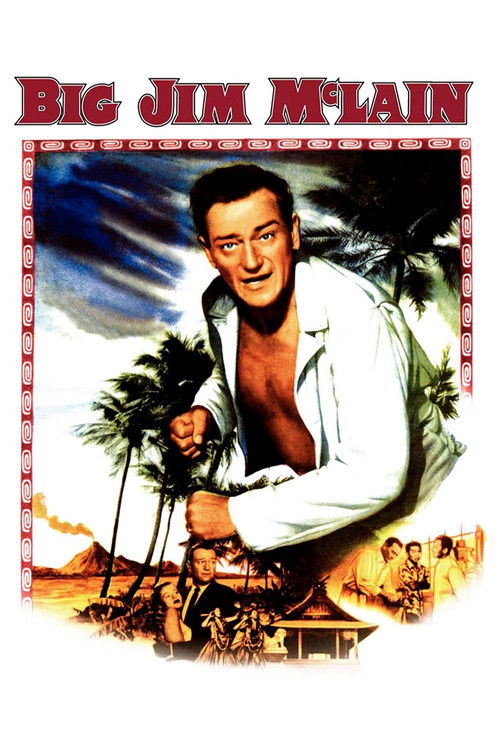
Big Jim McLain reflects the political and social norms of its era, emphasizing institutional authority and patriotic sentiment. The narrative centers on male competence and the protection of state structures, leaving little room for diverse perspectives. The film reinforces the demographic and social homogeneity typical of 1950s Hollywood. It focuses on the political tensions and investigative duties of the time, but does not offer any critique of the prevailing political frameworks. Ultimately, the work lacks complexity in representing multiple aspects of diversity. It relies on conventional gender and racial hierarchies, reflecting the demographic homogeneity of the period.
Category Breakdown
The film does not include any LGBTQ+ characters or representations of non-straight identities. It adheres to the traditional assumption that everyone is straight or cisgender.
The story emphasizes traditional gender roles from the mid-20th century. Male characters drive the plot through political and physical conflicts, while female characters are limited to supporting roles.
Set in Hawaii, the film focuses on white protagonists and government investigations. Non-white characters have minimal roles and are not given a significant role in driving the story.
The film upholds traditional Western values and patriotism. It portrays national stability as a moral imperative without critiquing the existing political structures.
The film does not feature any characters with visible or invisible disabilities. There is no representation of neurodivergence or physical disability.
Present on Screen
Limited or Absent
Official Synopsis
House Un-American Activities Committee investigators Jim McLain and Mal Baxter come to post war Hawaii to track Communist Party activities even though belonging to the party was legal at the time. They are interested in everything from insurance fraud to the sabotage of a U.S. naval vessel.
1945
1991
1951
1951
1950

1946
1956

1949
No reviews yet. Be the first to share your thoughts on this movie!
Use the rating form above to leave a star rating and optional review.