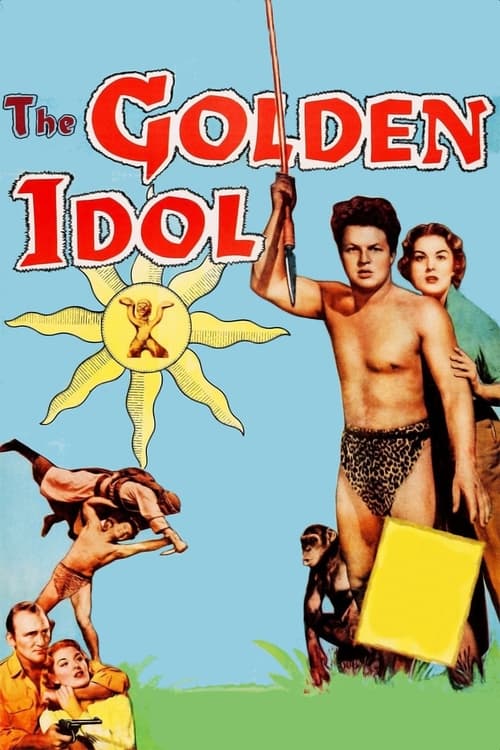
The Golden Idol
1954
No user ratings available yet
Representation score: 0.8 out of 10

Representation Score
Minimal
1940
PassedDirector
James W. Horne
Runtime
300 minutes
Average Rating
No ratings yetNew Showbiz Analysis
Terry and the Pirates is a product of its 1940s era, strictly adhering to the adventure serial clichés of the time. The narrative centers on Western explorers navigating a foreign landscape, reinforcing colonial-era power dynamics rather than challenging them. Non-Western characters are portrayed through an adversarial lens, and ability to act remains with the male protagonists. Female and local characters are confined to roles defined by conflict or traditional archetypes. The film lacks intentionality in social subversion, functioning as a standard genre piece reflecting the social hierarchies and cultural perspectives of its production period.
Category Breakdown
The film does not include any characters with LGBTQ+ identities or non-cisgender traits. The story focuses solely on traditional adventure themes without any queer undertones.
Gender roles adhere to mid-20th century norms, with male characters driving the main action. The Dragon Lady, while powerful, serves as a traditional antagonist.
The story uses an exoticized framework centered around foreign intruders. Non-Western characters like Fang and the Dragon Lady mainly function as obstacles for the Western protagonists.
The plot emphasizes Western exploration and artifact hunting, focusing on a standard hero-versus-warlord storyline typical of early 20th-century media.
There are no characters with visible or invisible disabilities. The cast consists of traditional adventure archetypes without disability representation.
Present on Screen
Limited or Absent
Official Synopsis
Dr. Herbert Lee, an archaeologist seeking to decipher ancient Mara inscriptions, is aided by his son Terry, Terry's pal Pat Ryan, and Normandie Drake. Jungle pirate and warlord Fang (Dick Curtis) plots to kill The Dragon Lady, Queen of the Temple of Mara, and seize the treasures of her ancestors. Both Fang and The Dragon Lady have sworn death for any foreign intruders.
1954

1939
1956
1950

1943

1964
1953
1942
No reviews yet. Be the first to share your thoughts on this movie!
Use the rating form above to leave a star rating and optional review.