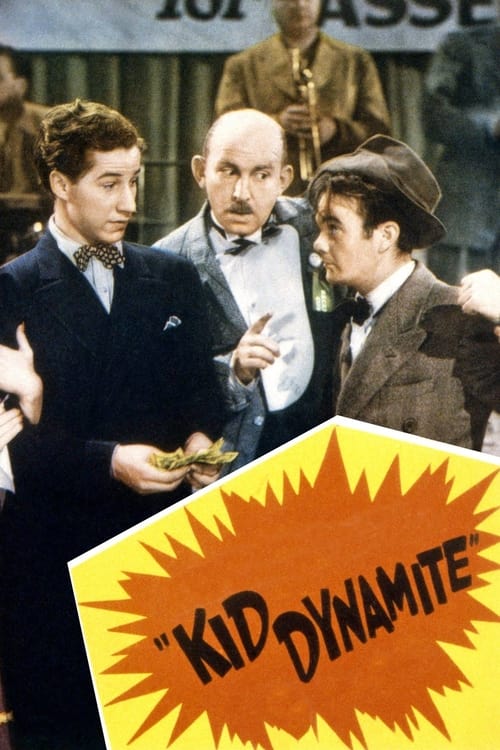
Kid Dynamite
1943
No user ratings available yet
Representation score: 1.8 out of 10
Representation Score
Limited
1944
ApprovedDirector
Wallace Fox
Runtime
60 minutes
Average Rating
No ratings yetNew Showbiz Analysis
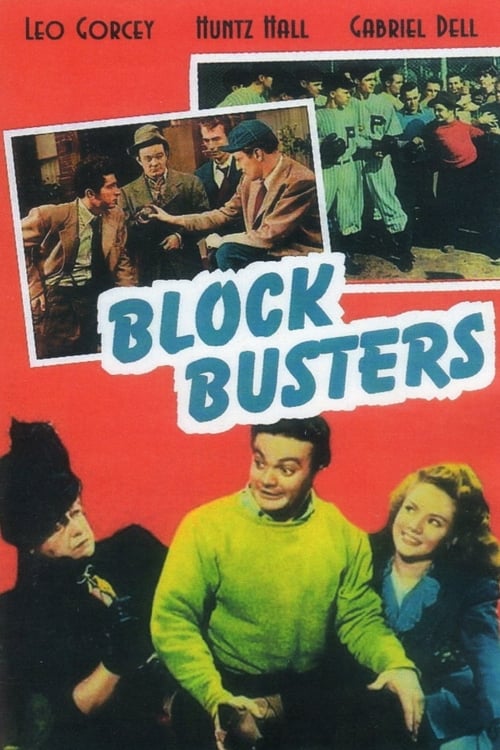
Block Busters is a product of its time, emphasizing mid-century values of assimilation and social conformity. The narrative uses the refugee experience as a comedic device rather than a nuanced exploration of identity, focusing on the pressure to fit into American social structures. While the film introduces ethnic variety through a French character, it does so within a framework of forced cultural integration. The plot reinforces traditional hierarchies and community standards, particularly through the social exclusion of those who do not conform to local expectations. Ultimately, the film lacks representation for LGBTQ+ identities, women's ability to drive the story, or disability, reflecting the limited scope of B-movie comedies from 1944.
Category Breakdown
The film does not include any LGBTQ+ characters or stories. It follows the traditional assumptions about straight relationships common in 1940s movies.
The story focuses mainly on a group of boys and a male refugee. There are no female characters or challenges to traditional gender roles.
Jean Rogers, a French refugee, adds a non-Anglo-Saxon perspective. However, the plot centers on his Americanization, using his foreign identity as a comedic tool for assimilation.
The narrative emphasizes national unity through the Americanization of a foreigner. It reinforces community standards by excluding those who do not conform to local norms.
The film does not include any characters with physical or neurodivergent disabilities.
Present on Screen
Limited or Absent
Official Synopsis
Muggs, Glimpy and the rest of the Kids set about to Americanize affable young French refugee Jean Rogers. But after a disastrous baseball game, Jean is chased out of the neighborhood and told not to return.
1943
1956
1941
1942
1942

1944
1941

1973
No reviews yet. Be the first to share your thoughts on this movie!
Use the rating form above to leave a star rating and optional review.