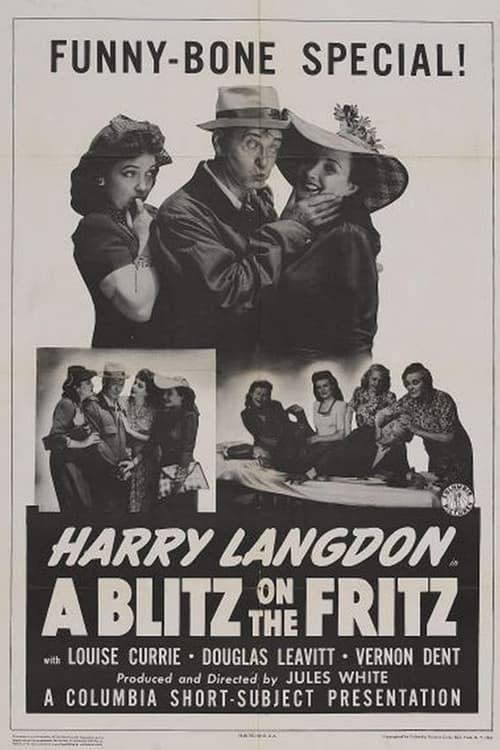
A Blitz on the Fritz
1943
No user ratings available yet
Representation score: 1.2 out of 10
Representation Score
Minimal
1943
ApprovedDirector
Jules White
Runtime
17 minutes
Average Rating
No ratings yetNew Showbiz Analysis
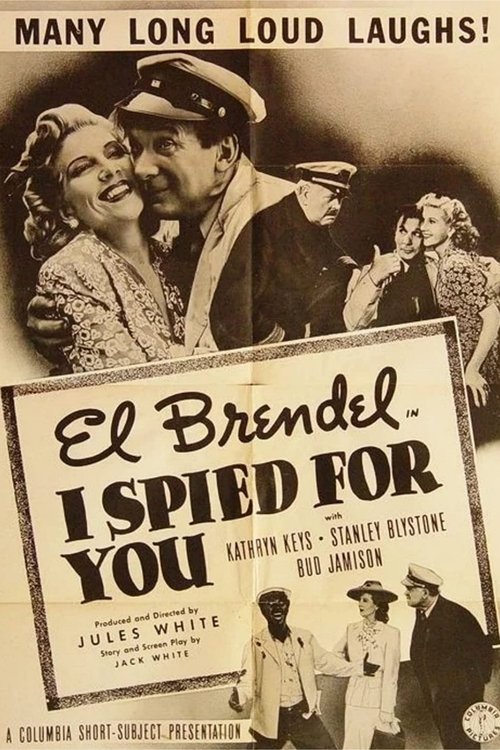
I Spied for You is a wartime comedy that functions as a product of its historical moment. The narrative focuses on espionage and Nazi spies, aligning with the patriotic clichés prevalent in 1943. Because the film follows the slapstick traditions of director Jules White, it prioritizes fast-paced physical comedy over complex social commentary. The structure appears designed to support wartime social cohesion rather than challenging existing power dynamics. Ultimately, the film reflects the institutional frameworks of the mid-20th century, offering little to no representation of underrepresented identities or diverse perspectives.
Category Breakdown
The film does not include any LGBTQ+ characters or narratives that go beyond the assumption that everyone is straight. It adheres to the strict social censorship typical of 1943.
The comedy likely relies on traditional gender roles and standard social hierarchies of the 1940s. There is no indication of women playing a significant role in driving the story.
The cast likely reflects the homogeneous casting standards of the era. There is no evidence of race-bent casting or a significant role in driving the story for non-white characters.
The plot reinforces pro-Western, high-patriotism narratives common during World War II. It supports the era's dominant cultural institutions and national security values.
There is no evidence regarding the inclusion of characters with physical or neurodivergent disabilities.
Present on Screen
Limited or Absent
Official Synopsis
Ole discovers Nazi spies planning to take over the ship he's working on.
1943
1956
1941
1946
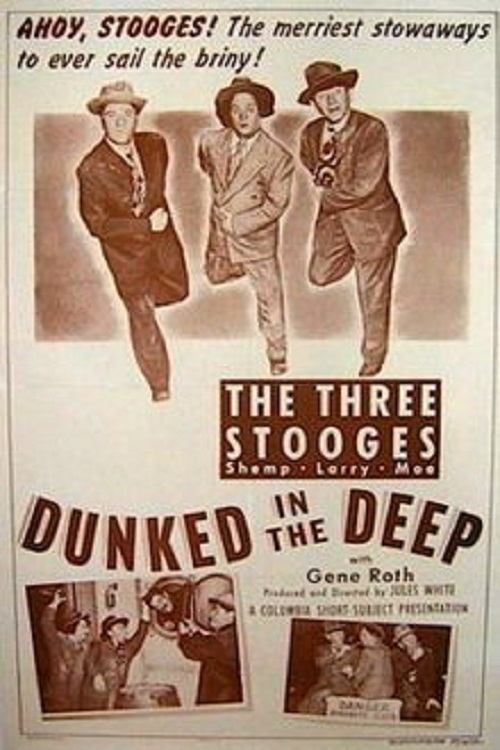
1949
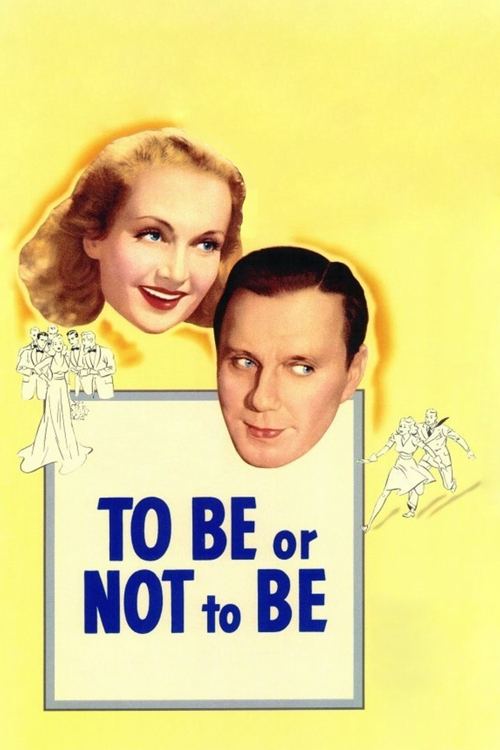
1942
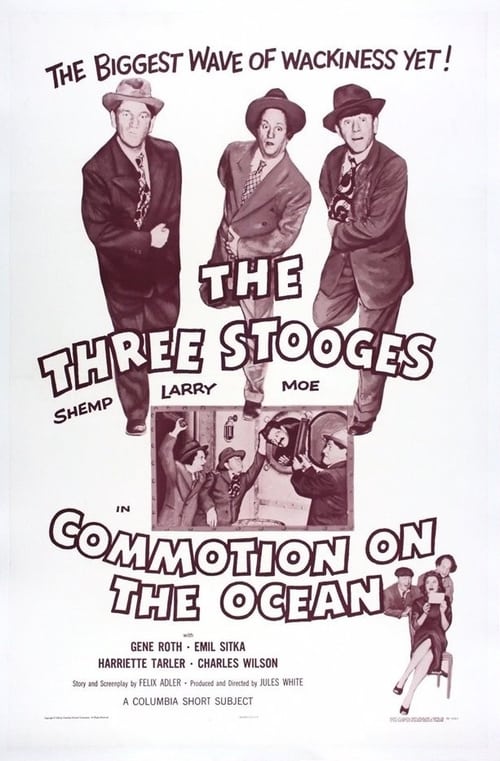
1956
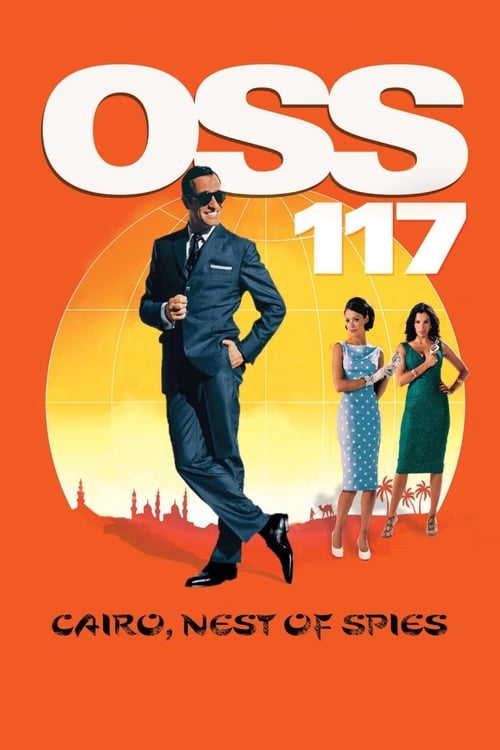
2006
No reviews yet. Be the first to share your thoughts on this movie!
Use the rating form above to leave a star rating and optional review.