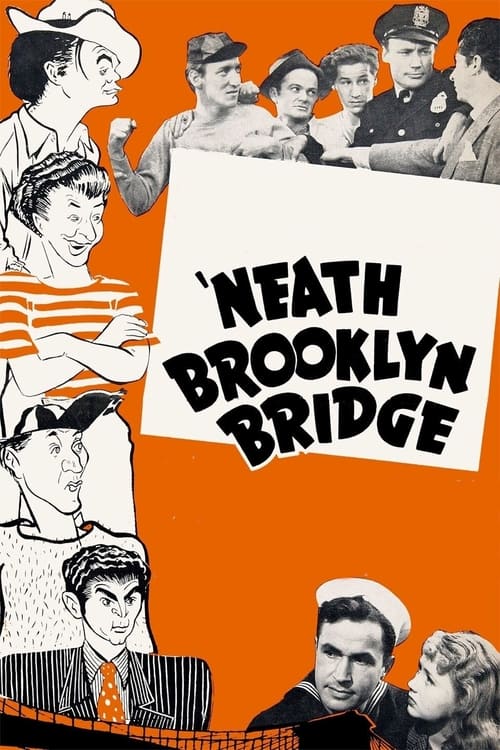
'Neath Brooklyn Bridge
1942
No user ratings available yet
Diversity score: 2.3 out of 10

1942
ApprovedDirector
Wallace Fox
Runtime
62 minutes
Average Rating
No ratings yetSynopsis
Rejected by the Army, Marines, and Navy for being too young, the punks help the war effort by throwing fruit at a shop they believe is owned by a Japanese American. Confronted by him wielding a short sword, the gang decides to come back at night but find him dead.
Overall Score
Minimal
Category Breakdown
LGBTQ+ Representation
The film lacks any visible LGBTQ+ characters or narratives. It adheres strictly to the heteronormative social standards of 1942 cinema.
Gender Representation
The story centers on young men pursuing traditional masculine archetypes through military service and physical conflict. There is no evidence of female agency or gender subversion.
Racial & Ethnic Diversity
A Japanese American shop owner is present but serves primarily as a target for harassment by the protagonists. This reinforces period-specific racial tensions and prejudices.
Religious & Cultural Diversity
The narrative aligns with wartime patriotism and nationalistic fervor. It shows no signs of secular or anti-institutional sentiment, focusing instead on traditional state institutions.
Disability Representation
There is no information regarding characters with physical or neurodivergent disabilities in this production.
Strengths
Areas for Improvement
AI Analysis
Let's Get Tough is a product of its era, reflecting the rigid social hierarchies and wartime anxieties of the early 1940s. The film prioritizes efficient genre storytelling over any meaningful exploration of identity or intersectional complexity. The narrative relies heavily on period-specific tropes, particularly regarding racial conflict. By centering the plot on the harassment of a Japanese American character, the film reinforces existing social prejudices rather than challenging them. Ultimately, the film operates within a narrow framework of traditional masculinity and nationalism. It offers little to no representation for women, LGBTQ+ individuals, or marginalized ethnic identities beyond their role in a conflict-driven plot.
No reviews yet. Be the first to share your thoughts on this movie!
Use the rating form above to leave a star rating and optional review.