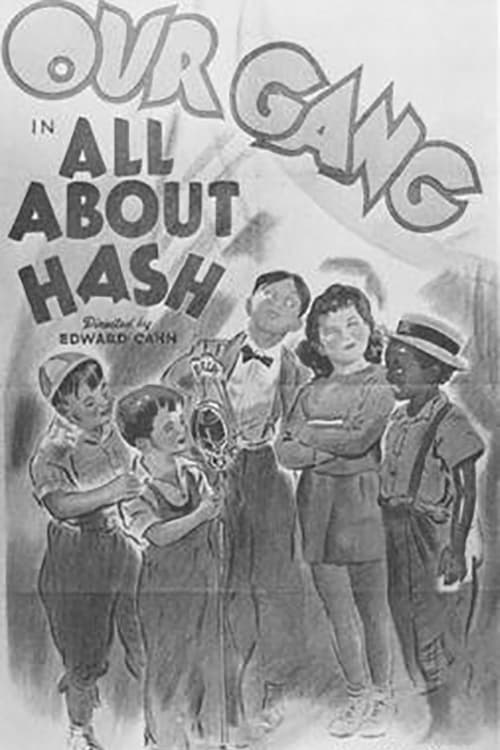
All About Hash
1940
No user ratings available yet
Representation score: 1.4 out of 10
Representation Score
Limited
1941
ApprovedDirector
Edward L. Cahn
Runtime
9 minutes
Average Rating
No ratings yetNew Showbiz Analysis
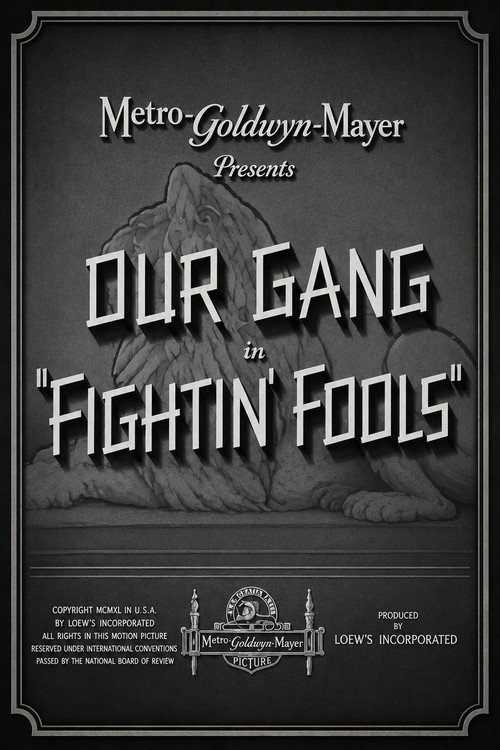
Fightin' Fools is a typical genre piece reflecting the comedic styles of its era. While the Our Gang franchise historically integrates a racially diverse cast, the film’s narrative structure remains limited in its progressive elements. The production centers on juvenile pranks and peer-group rivalries. This focus on traditional social dynamics means the film lacks the layered representation seen in more recent works. Overall, the film captures the essence of 1940s childhood media, offering some racial diversity but staying true to the conventional social structures of the time.
Category Breakdown
The film focuses on juvenile play and gang rivalries. It does not depict non-traditional gender identities or same-sex relationships, sticking to the assumptions common in the 1940s.
The story likely relies on traditional gender roles common in the gang rivalry genre. It seems to reinforce the gender norms typical of early 1940s comedies.
The Our Gang franchise includes a racially diverse cast of Black and white child actors, which was unusual for the time period.
The story emphasizes traditional community values and social cohesion. It does not challenge institutional norms, focusing instead on local social dynamics and resolving conflicts within the community.
There are no characters with visible or invisible disabilities in the film.
Present on Screen
Limited or Absent
Official Synopsis
While the Our Gang kids are enjoying the local swimming hole, a rival group ties all their clothes in knots. Our Gang challenges the meanies, and the two sides have a military-style battle using fruits and vegetables for ammunition.
1940
1932
1942
1962
1941
1943
1933

1941
No reviews yet. Be the first to share your thoughts on this movie!
Use the rating form above to leave a star rating and optional review.