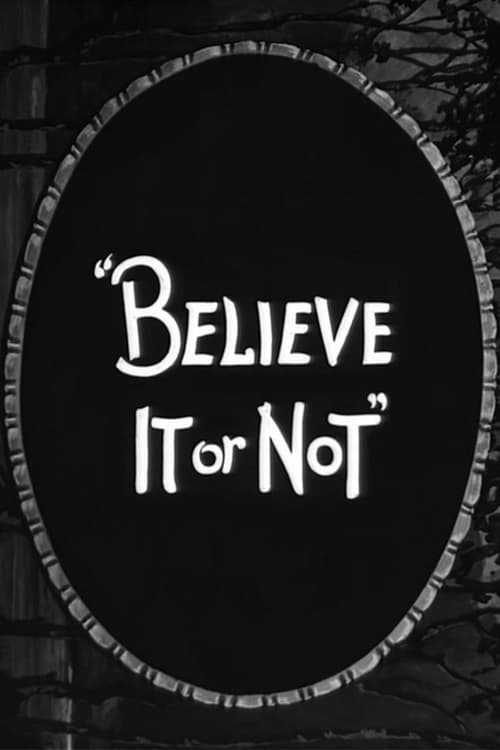
Believe It or Not (Second Series) #12
1932
No user ratings available yet
Representation score: 3.4 out of 10
Representation Score
Limited
1932
GDirector
Alfred J. Goulding
Runtime
8 minutes
Average Rating
No ratings yetNew Showbiz Analysis
This documentary short functions as a traditional collection of curiosities typical of the early 1930s. The structure prioritizes entertainment through the observation of the 'unusual,' which reinforces existing social hierarchies rather than challenging them. The film relies on ethnographic clichés and a colonial lens to present global oddities. This approach treats subjects as spectacles for a Western audience rather than providing them with individual control or nuanced representation. Ultimately, the work lacks intentional social commentary. It operates within the standard moral and cultural frameworks of its time, focusing on commercialized spectacle over nuanced representation.
Category Breakdown
The film does not include any LGBTQ+ characters or non-cisgender identities. It follows early 1930s conventions that typically excluded queer narratives.
Gender dynamics are not explicitly explored, but the film emphasizes male-centric elements like large-man clothing. There is no indication of women challenging traditional roles.
While claiming a global perspective, the film likely presents world curiosities through a colonial lens. It relies on standard ethnographic clichés of the era without giving subjects much control.
The narrative functions as a commercialized spectacle of the unusual. It operates within standard early 20th-century frameworks rather than critiquing traditional institutions or Western perspectives.
Physical anomalies are shown as spectacles for consumption rather than characters with ability to act. The film uses physical difference as a point of curiosity rather than a nuanced exploration.
Present on Screen
Limited or Absent
Official Synopsis
In this short film, Robert L. Ripley introduces narrator Leo Donnelly who presents various "Believe It or Not" oddities from around the world as gathered by Ripley. Segments include a NYC clothier that caters to very large men and circus elephant grooming. Vitaphone No. 1363.
1932
1931
1931
1936

1965
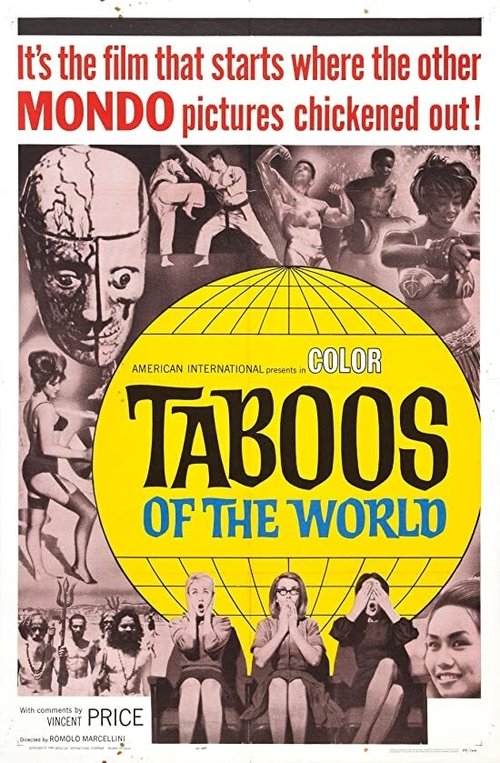
1963
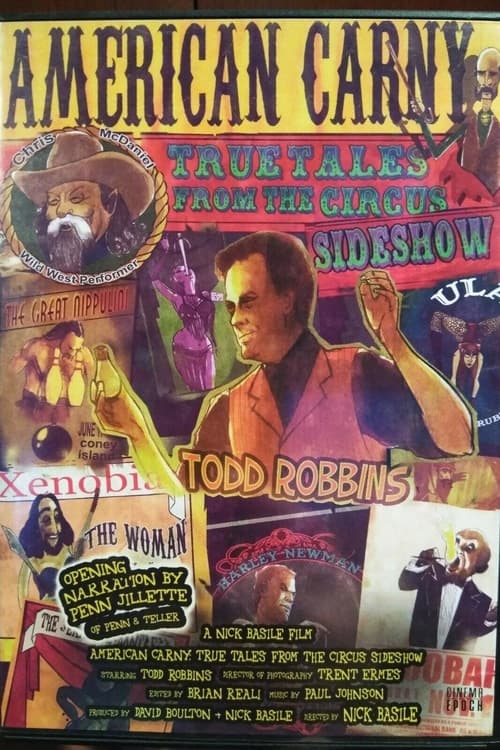
2008
2011
No reviews yet. Be the first to share your thoughts on this movie!
Use the rating form above to leave a star rating and optional review.