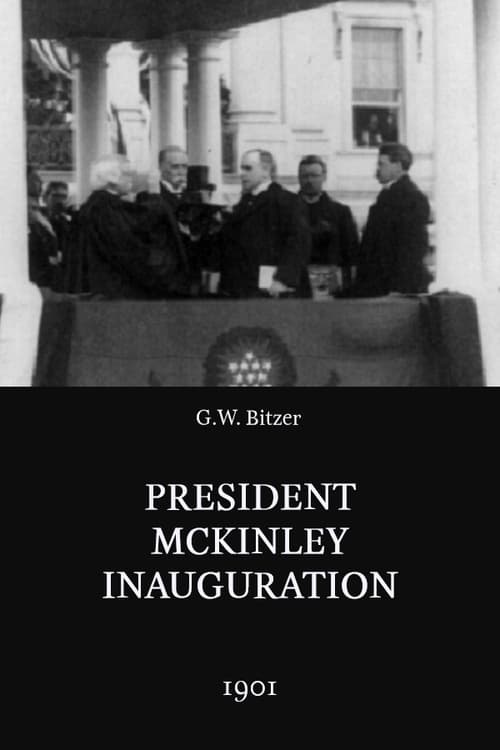
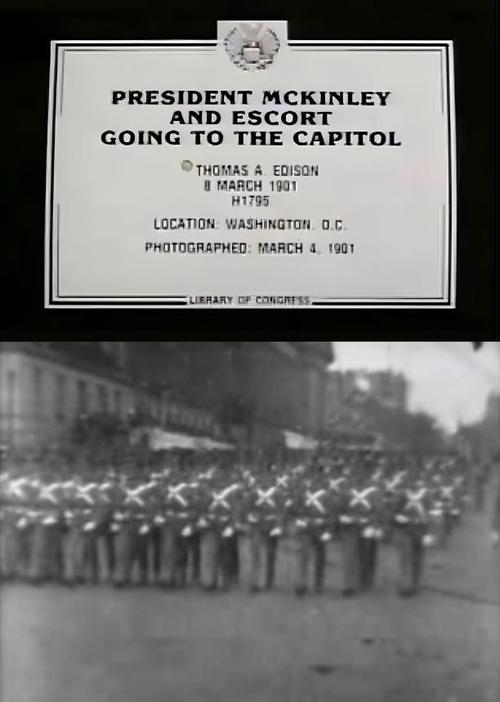
President McKinley Inauguration
1901
No user ratings available yet
Representation score: 0.2 out of 10
Representation Score
Limited
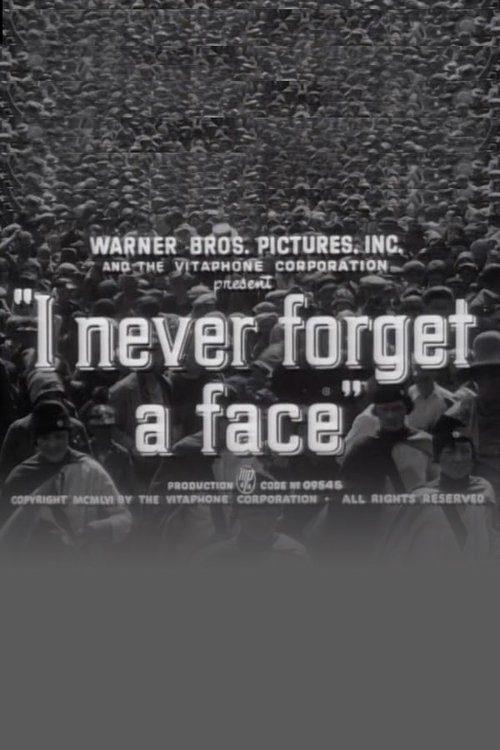
1956
ApprovedDirector
Robert Youngson
Runtime
11 minutes
Average Rating
No ratings yetNew Showbiz Analysis
Robert Youngson’s documentary functions as a montage of historical faces and emotions, using archival footage of figures like Warren Harding and George Bernard Shaw. It explores human emotions rather than building a progressive narrative. Since the film compiles mid-century footage, it naturally reflects the social hierarchies and Western-centric perspectives of its time. It lacks intentionality regarding diverse storytelling or the deconstruction of social norms. Ultimately, the work serves as a sentimental observation of human nature, prioritizing universal expression over the representation of underrepresented identities or the critique of established institutions.
Category Breakdown
The film does not depict any queer narratives or non-cisgender identities. It focuses solely on historical figures and general human expressions.
Female characters play minor roles and rarely take control of the story. The film does not challenge traditional gender roles or critique masculinity.
Diversity is a result of archival footage rather than intentional design. The content reflects a mid-20th-century Western perspective and lacks characters of color with significant influence.
The documentary maintains a sentimental, non-challenging view of society. It avoids criticizing religion or Western institutions, sticking to a conventional historical framework.
There is no intentional focus on neurodivergence or physical disabilities. Various physical traits may appear incidentally but are not central to the film's themes.
Present on Screen
Limited or Absent
Official Synopsis
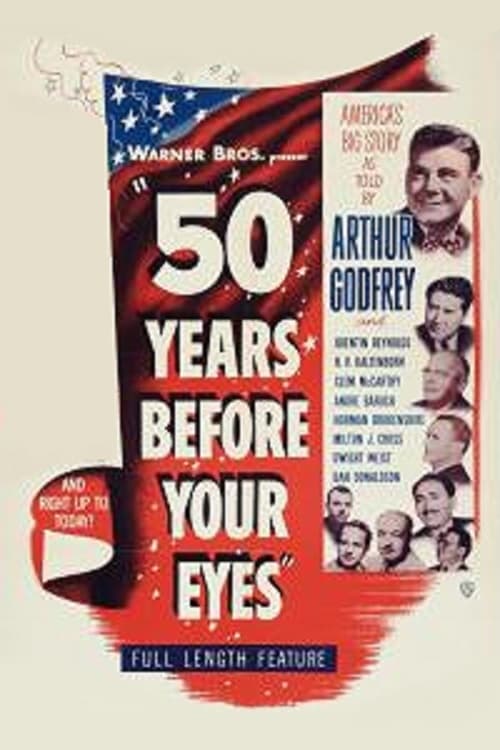
This Warner Bros. vignette features short snippets about well known people. It includes presidential candidate Warren Harding and his front porch campaign in his home town of Marion, Ohio where Al Jolson sang to the crowd; his successor, Calvin Coolidge; William Jennings Bryan at the 1920 Democratic convention where FDR was selected as the Vice Presidential candidate; the visit of the Prince of Wales; the so-called monkey trial that pitted Clarence Darrow against Bryan; Richard Bird as he trained for his flight over the North Pole; and finally George Bernard Shaw on a visit to America.
1901
1935
1896
2003
1950
1901
2004
1897
No reviews yet. Be the first to share your thoughts on this movie!
Use the rating form above to leave a star rating and optional review.