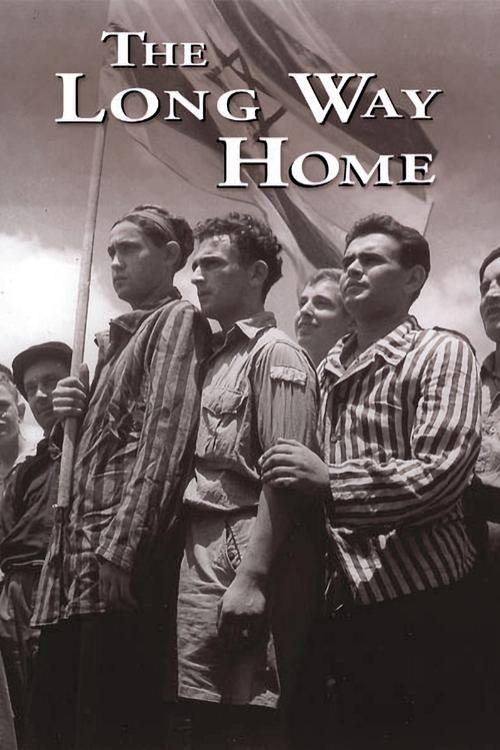
The Long Way Home
1997
No user ratings available yet
Representation score: 5.3 out of 10
Representation Score
Good
2000
PGDirector
Mark Jonathan Harris
Runtime
122 minutes
Average Rating
No ratings yetNew Showbiz Analysis
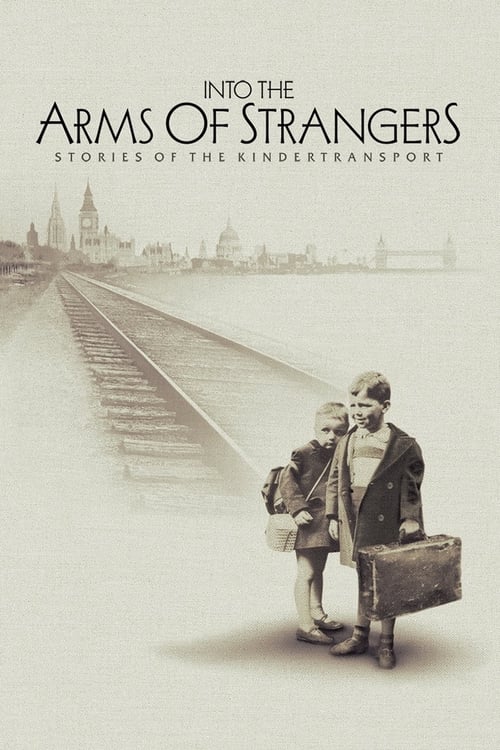
Into the Arms of Strangers is a powerful historical documentary that succeeds by centering the lived experiences of the Ashkenazi Jewish diaspora. By focusing on the granular, individual perspectives of these children, the film provides a necessary counter-narrative to traditional Western-centric wartime histories. The film’s strength lies in its sophisticated examination of how systemic collapse affects identity. It moves beyond simple storytelling to explore the intersection of religious identity, state oppression, and the reconstruction of the self within a foreign culture. While the scope is historically specific, the documentary achieves depth by treating psychological trauma as a central, dignified element of the survivor experience. It avoids superficiality, instead offering a complex look at how displacement reshapes the human psyche.
Category Breakdown
The documentary focuses on the specific geopolitical and religious crisis of the Kindertransport. There are no LGBTQ+ narratives or non-binary gender identities present within the historical accounts.
The film explores how both boys and girls navigated the loss of parental protection. It provides a nuanced view of how gender roles intersected with the trauma of being uprooted.
The narrative centers on the Ashkenazi Jewish diaspora, providing ability to act to a group targeted by state-sponsored persecution. It disrupts Western-centric historical narratives by focusing on individual refugee perspectives.
The film examines the tension between religious identity and the necessity of secular integration. It portrays the breakdown of the nuclear family and the failure of state institutions.
While physical disabilities are not a primary theme, the film provides a profound analysis of psychological trauma. It treats the long-term mental health consequences of displacement with dignity.
Present on Screen
Limited or Absent
Official Synopsis
In the nine months prior to World War II, 10.000 innocent children left behind their families, their homes, their childhood, and took the journey... to Britain to escape the Nazi Holocaust.
1997
1998
2018

2019
1985

2023
1982

2019
No reviews yet. Be the first to share your thoughts on this movie!
Use the rating form above to leave a star rating and optional review.