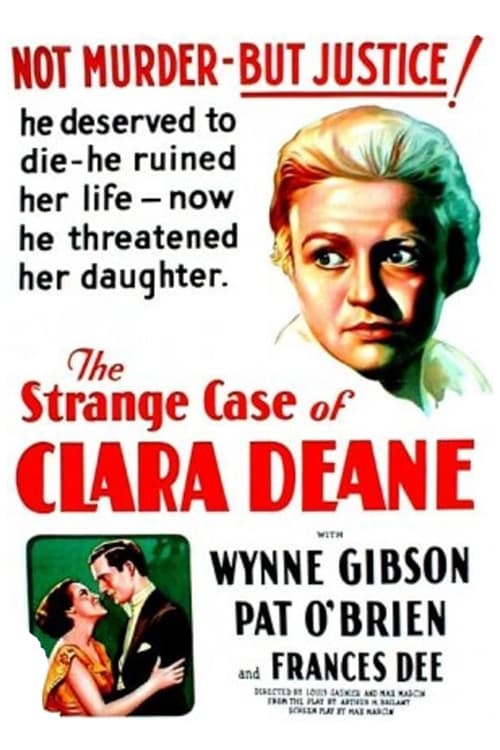
The Strange Case of Clara Deane
1932
No user ratings available yet
Diversity score: 2.1 out of 10
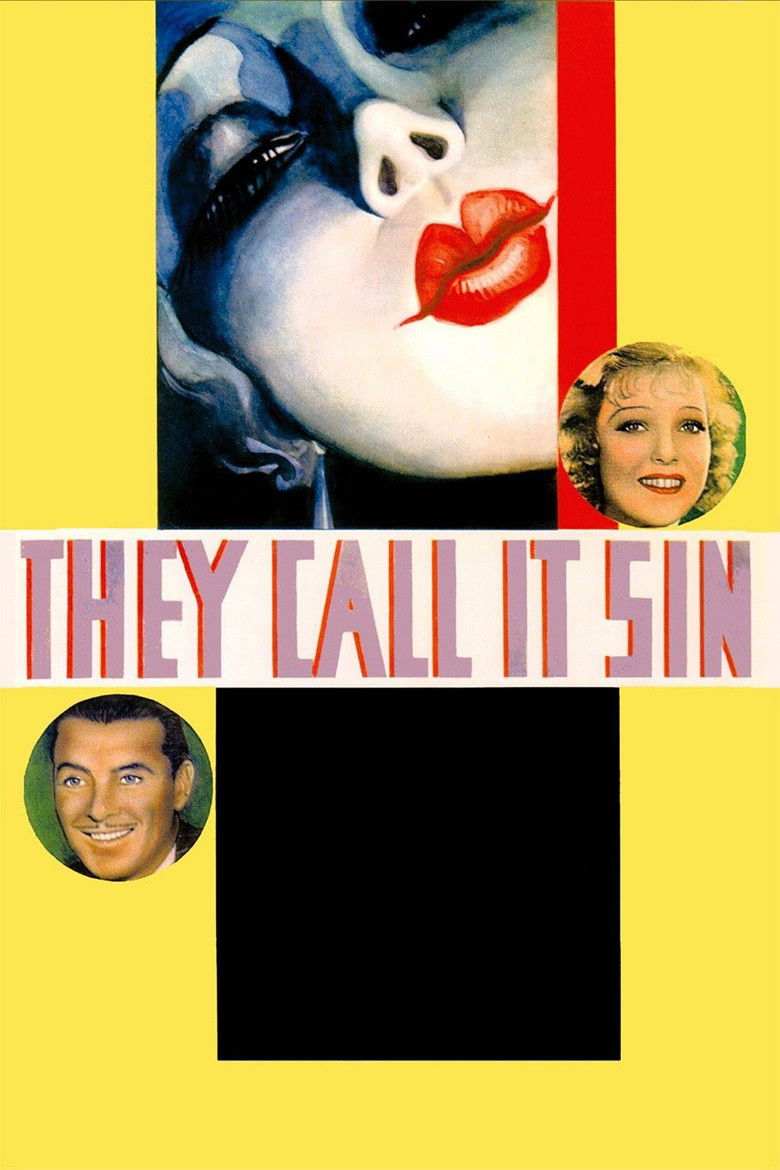
1932
ApprovedDirector
Thornton Freeland
Runtime
69 minutes
Average Rating
No ratings yetSynopsis
A young, innocent small-town church organist is thrown out of her home, told she was adopted, and that her mother was an evil woman. She follows a crush to the big city and is left fending for herself.
Overall Score
Limited
Category Breakdown
LGBTQ+ Representation
The film lacks any evidence of non-heteronormative identities. The central romantic interest is described as a crush, which aligns with the traditional romantic structures of 1932 cinema.
Gender Representation
The story centers on a female protagonist, but her journey follows the 'fallen woman' archetype. Her agency appears reactive to external hardships rather than proactive in challenging gendered power.
Racial & Ethnic Diversity
The narrative likely reflects the homogeneous casting norms of early Hollywood. Without evidence of a diverse cast, the film appears to conform to the white-centric standards of the era.
Religious & Cultural Diversity
The plot relies on religious and moralistic frameworks, focusing on themes of sin and maternal morality. This reinforces conventional Western moralities rather than offering a critique of them.
Disability Representation
There is no information available regarding the depiction of physical or neurodivergent characters in this film.
Strengths
Areas for Improvement
AI Analysis
This 1932 drama follows a traditional melodramatic arc common to the early sound era. The narrative focuses on a protagonist's transition from rural innocence to urban struggle, a trope used to explore moral fortitude. The film functions as a period piece that reinforces rather than disrupts social and moral expectations. It lacks the narrative architecture necessary to challenge systemic hierarchies or provide intersectional representation. Ultimately, the story adheres to the strict production codes and storytelling frameworks of its time, prioritizing conventional moral lessons over social subversion.
1932

1924
1919
1928
1935
1945
1913
1926
1933
1921
1950
1936
No reviews yet. Be the first to share your thoughts on this movie!
Use the rating form above to leave a star rating and optional review.