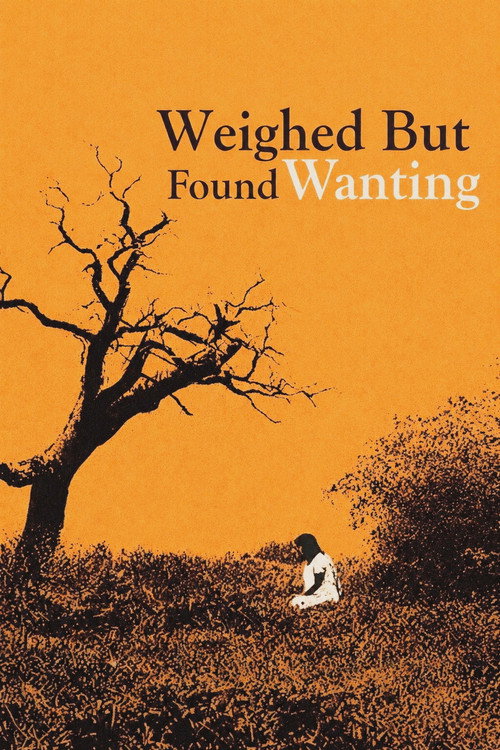
Weighed But Found Wanting
1974
No user ratings available yet
Representation score: 8.9 out of 10
Representation Score
Excellent
1974
Not RatedDirector
Lino Brocka
Runtime
155 minutes
Average Rating
No ratings yetNew Showbiz Analysis
Lino Brocka’s film is a powerful exploration of social realism, focusing on the lives of underrepresented individuals in a decaying urban environment. By reclaiming the Filipino experience from Western storytelling, the film centers on local struggles and post-colonial identity. While the film excels in its authentic ethnic and cultural representation, it does not explicitly address LGBTQ+ identities or specific neurodivergent or physical disabilities. Overall, the film serves as a critique of religious dogma and capitalist structures, using personal stories of hardship and resilience to challenge the status quo.
Category Breakdown
The film does not focus on LGBTQ+ identities or romantic relationships. Instead, it centers on survival and class issues.
The story challenges traditional gender roles by emphasizing the resilience of women in an urban setting. It highlights the challenges faced by women in maintaining autonomy.
The film provides authentic representation of Filipino culture by focusing on local socioeconomic conditions. It avoids a Western perspective by highlighting local realities.
The narrative examines the conflict between religious beliefs and material reality through a repressed Catholic character. It critiques systemic inequalities and capitalist structures.
The film explores themes of chemical dependency and physical impairment through a character dealing with addiction. These issues are portrayed as consequences of environmental despair.
Present on Screen
Limited or Absent
Official Synopsis
Three intimate stories showing the perseverance of hope despite a sense of despair, featuring a drug addict, an abandoned daughter and a repressed catholic.
1974

1964

1991

1980

1976

1980

1975

2008
No reviews yet. Be the first to share your thoughts on this movie!
Use the rating form above to leave a star rating and optional review.