
Babangon Ako't Dudurugin Kita
1989
No user ratings available yet
Representation score: 6.4 out of 10
Representation Score
Fair
1984
Director
Lino Brocka
Runtime
86 minutes
Average Rating
No ratings yetNew Showbiz Analysis
Lino Brocka’s drama is a powerful study of how media consumption erodes individual ability to act. It succeeds most strongly in its cultural authenticity, offering a deeply Filipino perspective that resists Western-centric homogenization. The film uses the protagonist's tragic devotion to critique the predatory nature of the celebrity spectacle. However, the film's diversity is limited by its narrow focus on heterosexual dynamics and a lack of representation for LGBTQ+ or disabled characters. While it masterfully deconstructs social hierarchies and gendered oppression, these omissions prevent a higher overall score. Ultimately, the film is a culturally rich critique of capitalism and voyeurism, even if it lacks breadth in specific identity-based representation.
Category Breakdown
The film does not feature prominent LGBTQ+ characters or narratives. Interpersonal conflicts are confined to heterosexual relationships, focusing on the protagonist's obsession with a man.
The narrative critiques patriarchal structures by highlighting the protagonist's submissive role and domestic labor. It portrays traditional feminine devotion not as a virtue, but as a systemic trap.
The film offers an authentic portrayal of Filipino identity and social dynamics. It centers on the local socioeconomic landscape of Manila through a primarily Filipino cast.
The story provides a sophisticated critique of how mass media and capitalist machinery commodify human emotion. It explores the corrosive impact of celebrity culture on post-colonial identity.
There are no significant depictions of physical or neurodivergent disabilities used as central plot devices or character traits.
Present on Screen
Limited or Absent
Official Synopsis
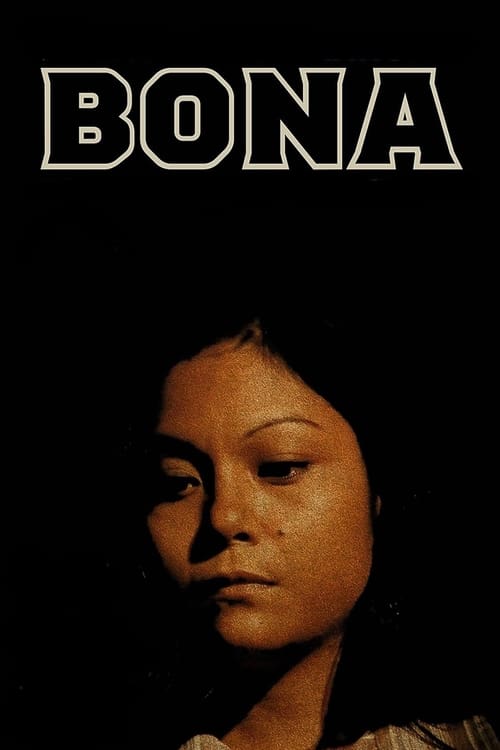
Bona, a middle-class student, becomes infatuated with a struggling actor, Gardo, and drops out of school to live with him. She becomes his unpaid maid, performing chores and enduring his relationships with other women, in the hopes of reciprocation.
1989

1972

1991

1973
1978
1974

1990

1984
No reviews yet. Be the first to share your thoughts on this movie!
Use the rating form above to leave a star rating and optional review.