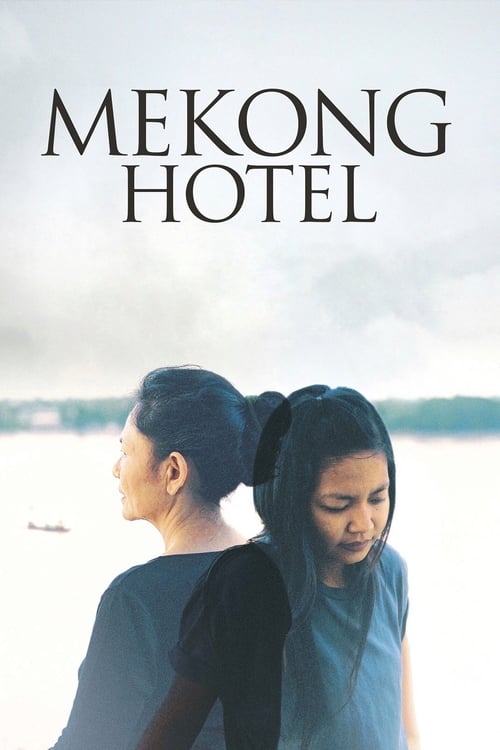
Mekong Hotel
2012
No user ratings available yet
Diversity score: 6.3 out of 10

2009
Director
Apichatpong Weerasethakul
Runtime
18 minutes
Average Rating
No ratings yetSynopsis
A filmmaker captures images that characterize the violence and repression as well as the hope of rebirth and remembrance in northeastern Thailand.
Overall Score
Good
Category Breakdown
LGBTQ+ Representation
The film lacks explicit LGBTQ+ characters or non-heteronormative romantic arcs. Instead, it focuses on the domestic unit and the protagonist's spiritual transition. Its dreamlike reality offers a subtle departure from traditional narrative structures.
Gender Representation
The narrative depicts a traditional rural family but disrupts standard gender hierarchies through surrealism. Characters avoid typical masculine or feminine archetypes, focusing instead on a shared connection to the natural and spiritual worlds.
Racial & Ethnic Diversity
This work provides exceptional representation of Southeast Asian identity by centering a Thai cast in a remote Isan village. It resists the Western gaze by utilizing local folklore and indigenous spiritualism.
Religious & Cultural Diversity
The film excels by framing Buddhist reincarnation and spirits as integrated realities rather than dogma. It also uses the subtext of historical state violence to critique systemic repression and the erasure of history.
Disability Representation
The story addresses terminal illness through Boonmee without resorting to tragedy or inspiration porn. His physical decline is treated as a dignified, metaphysical transition centered on his personal agency.
Strengths
Areas for Improvement
AI Analysis
Apichatpong Weerasethakul’s work succeeds by centering a non-Western, post-colonial perspective that challenges conventional cinematic hegemony. The film's greatest strength is its profound commitment to cultural autonomy and indigenous spirituality, presenting a worldview where the living and the dead coexist naturally. While the film lacks explicit representation for LGBTQ+ identities and certain social archetypes, it compensates through the deconstruction of traditional power dynamics. It moves away from Western storytelling tropes to explore memory and existence through a uniquely Southeast Asian lens. Ultimately, the film is a sophisticated exploration of identity that uses the ghosts of political history to address systemic repression, making it a vital piece of international arthouse cinema.
2012

2010

2000

2015
2006

2021
1999

2017
2009

2008

2017

2006
No reviews yet. Be the first to share your thoughts on this movie!
Use the rating form above to leave a star rating and optional review.