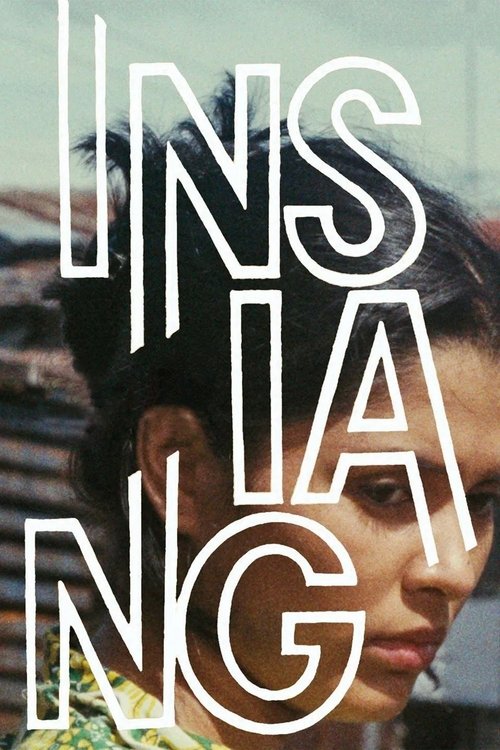
Insiang
1976
No user ratings available yet
Representation score: 5.8 out of 10
Representation Score
Excellent
1974
Director
Lino Brocka
Runtime
128 minutes
Average Rating
No ratings yetNew Showbiz Analysis
Lino Brocka’s masterpiece is a powerful exercise in social realism that centers on those discarded by society. By focusing on the intersection of disability, mental health, and class, the film exposes the cruelty of institutional power. The narrative succeeds by giving real power to underrepresented figures, using their lived experiences to challenge the perceived moral superiority of the town's 'respectable' citizens. It is a sophisticated critique of how social hierarchies enforce conformity. While the film lacks explicit LGBTQ+ representation, its subversion of social norms creates a space for outsider identities. The strength of the work lies in its refusal to view systemic harm as a personal failing.
Category Breakdown
The film does not explicitly show LGBTQ+ identities or romantic relationships. However, it focuses on characters who exist outside the town's straight-centered social fabric, exploring non-traditional social roles.
Women on the periphery of respectable society play a significant role in driving the story. The portrayal of a mentally unstable woman challenges traditional maternal roles and patriarchal social structures.
This seminal work provides a strong depiction of a non-Western society. It avoids the Western perspective by centering the lived experiences and linguistic nuances of a Filipino community.
The narrative critiques traditional institutions and the hypocrisy of moral leaders. It deconstructs the concept of respectability, framing social order as a tool of oppression.
Characters with disabilities, including a leper and a mentally unstable woman, serve as the film's emotional anchors. They are depicted with profound humanity rather than as mere plot devices.
Present on Screen
Limited or Absent
Official Synopsis
A privileged teenager, disillusioned with the hypocrisy he witnesses in his small town, forms a bond with a lonely man with leprosy and a mentally distressed homeless woman.
1976
1967
1974
1970

1975

1961

1991
1970
No reviews yet. Be the first to share your thoughts on this movie!
Use the rating form above to leave a star rating and optional review.