
Manila by Night
1980
No user ratings available yet
Diversity score: 6.2 out of 10
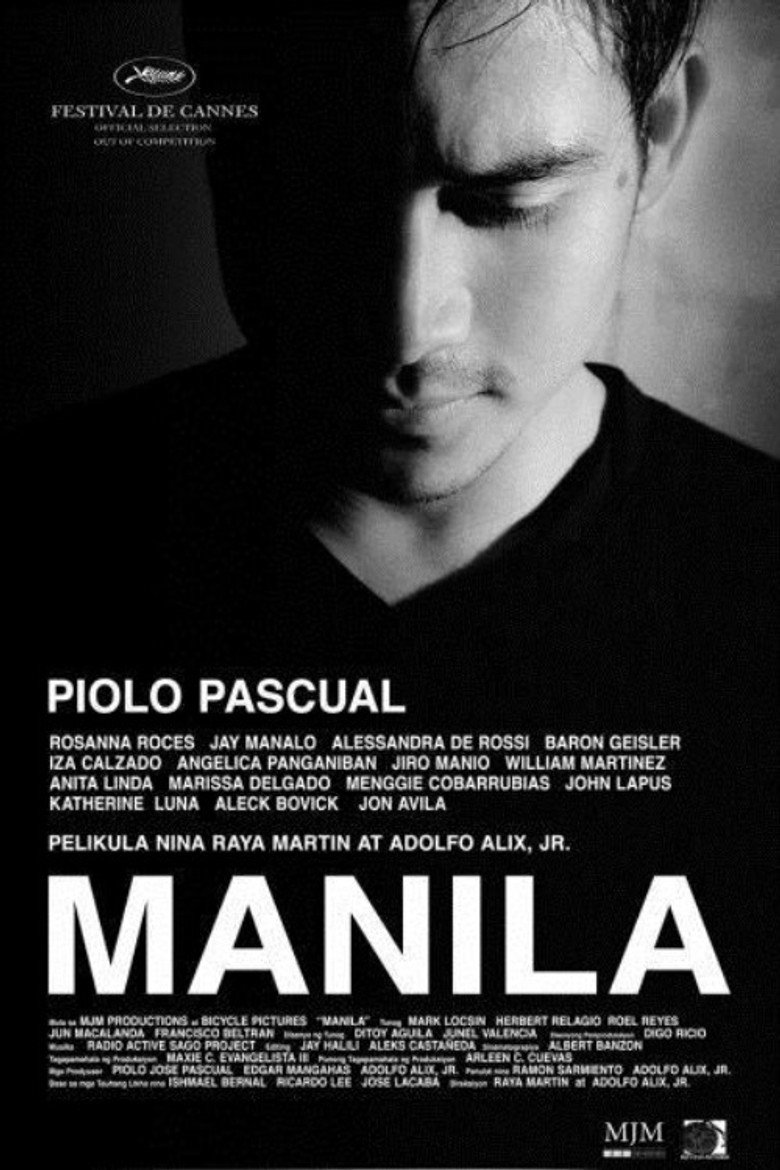
2009
Director
Raya Martin, Adolfo Alix Jr.
Runtime
90 minutes
Average Rating
No ratings yetSynopsis
A tribute to filmmakers and National Artists Lino Brocka and Ishmael Bernal. In the "Day" segment, Piolo Pacual portrays the role of William, a drug addict who tries to rebuild his sense of self and reconnect with the people around him. For the "Night" segment, Pascual portrays the role of Philip, who works as a bodyguard for a mayor's son. The bodyguard believes that his boss considers him as part of the family but after a shooting incident, he realizes his real worth to his boss. As he struggles to hide, he is slowly consumed by the claws of darkness lurking the city.
Overall Score
Good
Category Breakdown
LGBTQ+ Representation
The film prioritizes socioeconomic struggle over identity-driven narratives. It avoids heteronormative romantic tropes, yet lacks explicit queer characters or non-cisnormative expressions.
Gender Representation
Gender is explored through vulnerability rather than heroic archetypes. The film challenges traditional masculine leadership by focusing on characters subject to environmental instability.
Racial & Ethnic Diversity
The narrative centers the Filipino working class and urban poor. It provides agency to marginalized citizens, effectively de-centering Western-centric storytelling structures.
Religious & Cultural Diversity
The film critiques capitalist structures and state authority through depictions of wealth disparity. It frames survival-driven behavior as a byproduct of systemic oppression.
Disability Representation
Specific depictions of physical or neurodivergent disabilities are not central. The film touches on mental health through addiction, framing it as a socioeconomic symptom.
Strengths
Areas for Improvement
AI Analysis
Manila is a gritty exercise in social realism that finds its power in the margins. By focusing on the disenfranchised, the film successfully deconstructs systemic power dynamics and avoids the polished tropes of mainstream commercial cinema. The work excels at portraying the post-colonial urban experience, giving a voice to the 'invisible' citizens of the city. It replaces traditional moral clarity with a sophisticated look at how systemic neglect shapes human behavior. However, the film's narrow focus on class and survival results in a lack of representation for specific identity groups. While it avoids cliché, it does not explicitly engage with LGBTQ+ or disability-specific narratives.
1980

2002
2001

2016

2004
1974

2021

2000
2001
2001
2007

2015
No reviews yet. Be the first to share your thoughts on this movie!
Use the rating form above to leave a star rating and optional review.