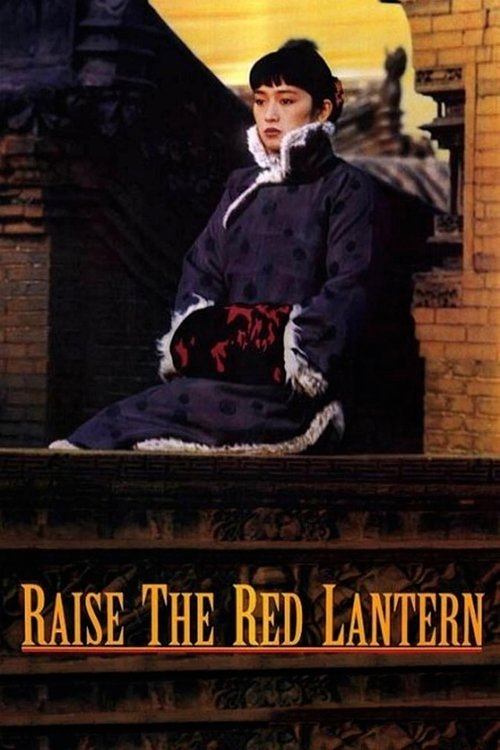
Raise the Red Lantern
1991
No user ratings available yet
Representation score: 4.6 out of 10

Representation Score
Fair
1990
PG-13Director
Zhang Yimou
Runtime
95 minutes
Average Rating
No ratings yetNew Showbiz Analysis
Zhang Yimou’s drama is a nuanced look at traditional social hierarchies. By focusing on a woman navigating a strict, feudal system, the film questions the stability and morality of such systems. The film effectively critiques patriarchal dominance and refuses to support traditional family structures as inherently positive. It uses the protagonists' struggles to emphasize the importance of resisting oppressive systems. While the film offers a valuable non-Western perspective, it does not include LGBTQ+ identities or disabilities. The focus remains on the intersection of gender, culture, and feudal authority.
Category Breakdown
The film does not include any LGBTQ+ characters or non-straight identities. The plot centers on the tensions within a traditional heterosexual marriage and the breaking of social taboos.
Ju Dou serves as a strong example of a woman taking control in a patriarchal society. The film highlights the cruelty of gender roles and the pressure placed on women to produce heirs.
Set in early 20th-century rural China, the film provides a non-Western perspective. Its historical accuracy offers a break from the typical Western-centric viewpoint.
The narrative critically examines the feudal family unit and social authority. It portrays these traditional institutions as corrupt and controlling rather than stable.
The narrative does not focus on visible or invisible disabilities. The central conflicts revolve around social and gender-based power dynamics rather than physical or neurodivergent experiences.
Present on Screen
Limited or Absent
Official Synopsis
Tianqing falls in love with Ju Dou, his uncle's wife who is tortured for being childless. However, after they have an affair, they discover that his uncle is impotent and try to conceal the truth.
1991
1952

1986
1988
1991

1951
2010

1993
No reviews yet. Be the first to share your thoughts on this movie!
Use the rating form above to leave a star rating and optional review.