Spencer's Mountain
1963
No user ratings available yet
Representation score: 0.4 out of 10
Representation Score
Minimal
1960
ApprovedDirector
William F. Claxton
Runtime
78 minutes
Average Rating
No ratings yetNew Showbiz Analysis
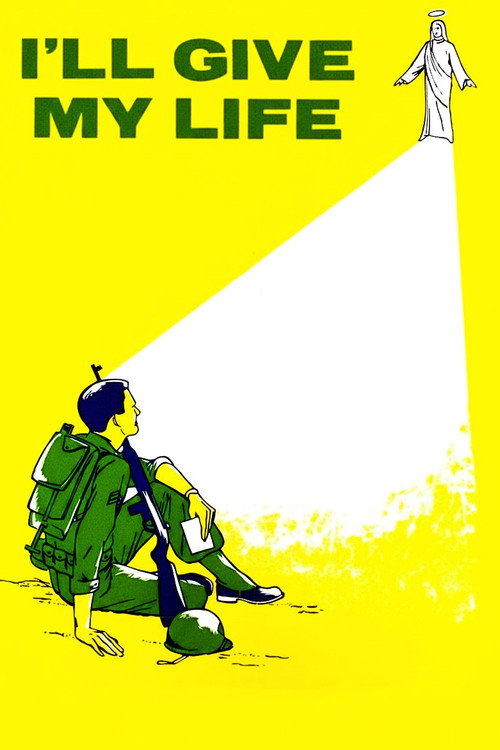
I'll Give My Life is a conventional mid-century domestic drama that emphasizes generational conflict over social diversity. The tension arises from a son's decision to pursue a religious calling instead of his father's engineering business, reinforcing established societal roles. The film adheres strictly to the narrative norms of the 1960s. It focuses on the tension between secular professional success and religious vocation, presenting a study of traditional institutional values without challenging them. Ultimately, the work serves as a period piece that maintains a homogeneous social landscape. It lacks the representation of multiple aspects of identity and narrative subversion needed to disrupt the traditional hierarchies of its time.
Category Breakdown
The film does not include any characters with LGBTQ+ identities. The story revolves around traditional family roles and social structures.
The plot centers on male-dominated professional and spiritual journeys. The main conflict is driven by men within a patriarchal system.
The story depicts a homogeneous society typical of mid-20th century Western dramas. There are no indications of racial diversity in the narrative.
The film examines the tension between capitalism and organized religion, focusing on traditional Western institutions without challenging them.
There are no characters with visible or invisible disabilities in the film. The documentation does not mention any disability representation.
Present on Screen
Limited or Absent
Official Synopsis
This story opens with John Bradford throwing a graduation party for his son, Jim, who has just earned a degree in engineering. John has planned to make his son a partner in his engineering firm for many years. However, Jim has decided to enter the ministry.
1963
1936
1966
1962
1981
1979
1970
1955
No reviews yet. Be the first to share your thoughts on this movie!
Use the rating form above to leave a star rating and optional review.