City Story
1954
No user ratings available yet
Representation score: 0.4 out of 10
No Poster Available
Representation Score
Minimal
1950
ApprovedDirector
William Beaudine
Runtime
43 minutes
Average Rating
No ratings yetNew Showbiz Analysis
A Wonderful Life is a traditional narrative that celebrates conventional Western values and moral stability. Produced by The Protestant Film Commission, the film aligns with traditional moral frameworks rather than progressive social critiques. By presenting the protagonist as a model of civic and religious virtue, the film supports mid-century social norms through a lens of religious and community-focused virtue.
Category Breakdown
The film follows the heterosexual norms typical of the 1950s. There are no queer narratives or non-conforming gender identities presented in the story.
The story focuses on the legacy of a male patriarch, Henry Wood. Although his daughter reflects on his life, the narrative's main driver remains his actions.
The film portrays a homogeneous society with no indication of a diverse cast or non-Anglo-Saxon characters in key roles.
The production emphasizes Christian morality and the sanctity of the nuclear family. It upholds traditional Western institutions and religious community values.
The film does not depict physical or mental disabilities.
Present on Screen
Limited or Absent
Official Synopsis
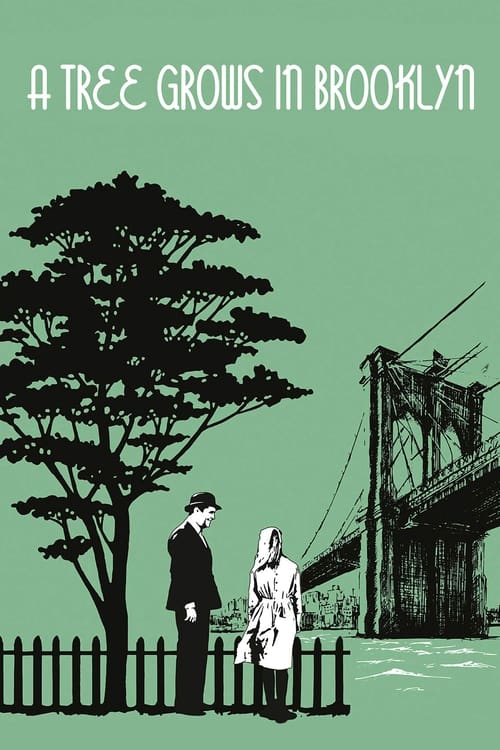
Sponsored by The Protestant Film Commission, this religiously-affiliated tale centers around citizen Henry Wood (played by Oscar winner James Dunn from "A Tree Grows in Brooklyn"), who loved family and church, gave to the needy, and donated most of his money to charity. Now deceased, his somewhat neglected daughter reflects on his past and ponders that age-old question, did he indeed have such "a wonderful life"?
1954
1955
1948

1952
1939
1945
1951

1943
No reviews yet. Be the first to share your thoughts on this movie!
Use the rating form above to leave a star rating and optional review.